
Beautiful Plants For Your Interior
Beautiful Plants For Your Interior
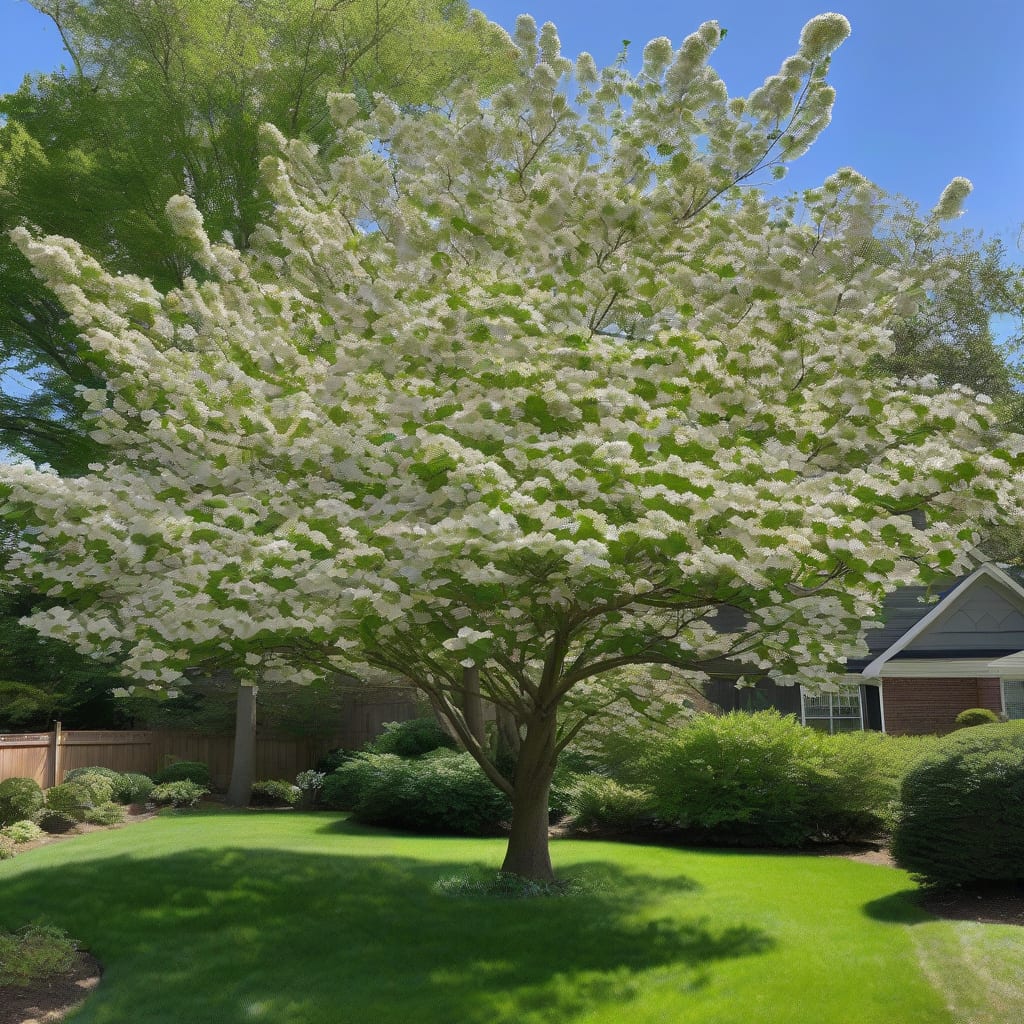
When planting a Dogwood 🌳 in your garden, understanding its growth potential is crucial for proper landscape planning. The mature height of these beautiful trees can vary significantly based on several factors.
In USDA Zone 6, Dogwood trees typically grow between 15-30 feet tall, making them a great choice for various landscape designs. Let’s explore what influences their height and how to manage their growth effectively.


Dogwood tree height is influenced by multiple factors that gardeners should consider when planting and caring for these beautiful trees. The mature height of Dogwood trees can vary significantly based on these factors.
The primary factors that affect Dogwood tree height include the species of the tree, soil quality, and climate conditions. Understanding these factors is crucial for proper landscape planning and tree care.
The species of Dogwood is a critical factor in determining its mature height. Different species have different growth potentials, with some being naturally more compact while others can grow taller.
Soil quality plays a significant role in Dogwood tree growth. Trees planted in well-draining soil with adequate moisture tend to grow healthier and reach their optimal height more effectively.
Climate conditions also impact Dogwood tree height. Dogwood trees in USDA Zone 6 typically grow between 15-30 feet tall, making them suitable for various landscape designs.
By understanding these factors, gardeners can better manage their Dogwood trees’ growth and ensure they reach their full potential. 🌳
The growth rate of Dogwood trees is another important consideration. While they can grow relatively quickly in their early years, their growth rate slows down as they mature.
Dogwood trees typically grow 2-3 feet in their first year, 4-6 feet in their second year, and 6-8 feet in their third year. This rapid growth during the early years makes them an excellent choice for gardeners looking to establish a beautiful landscape quickly.
As Dogwood trees mature, their growth rate slows down. However, with proper care and maintenance, they can continue to thrive and reach their full height potential.
In addition to the factors mentioned above, pruning and maintenance practices also influence Dogwood tree height. Regular pruning can help control the tree’s size and promote healthy growth.
By understanding the factors that influence Dogwood tree height and implementing proper care practices, gardeners can enjoy these beautiful trees for years to come. 🌳
Dogwood trees are not only valued for their height but also for their beautiful flowers and attractive foliage. Their versatility makes them a popular choice for gardeners seeking to add beauty and structure to their landscapes.
In conclusion, the height of Dogwood trees is influenced by a combination of factors including species, soil quality, and climate conditions. By understanding and managing these factors, gardeners can ensure their Dogwood trees grow to their full potential.
Dogwood trees come in various species, each with its own typical height range. Understanding these height ranges is essential for gardeners to plan their landscape effectively.
The most common Dogwood species include the Flowering Dogwood and the Kousa Dogwood. Each of these species has a different mature height range, which is crucial for gardeners to know when selecting trees for their gardens.
The Flowering Dogwood typically grows between 15-20 feet tall, making it a great choice for smaller landscapes. Its moderate growth rate and spreading canopy make it an excellent specimen tree.
The Kousa Dogwood can grow slightly taller, reaching heights of 20-30 feet. It has a slower growth rate compared to the Flowering Dogwood but offers a more upright growth habit.
Cornelian Cherry Dogwood is another popular variety that grows between 15-25 feet tall. It has a faster growth rate and a shrubby habit, making it suitable for hedges or borders.
Understanding the typical height ranges of different Dogwood varieties helps gardeners choose the right tree for their specific landscape needs.
When selecting a Dogwood tree, consider factors such as mature size, growth rate, and landscape placement to ensure the tree thrives in its environment. 🌳
By choosing the right Dogwood variety, gardeners can enjoy the beauty and benefits these trees offer for years to come.
Proper pruning and care techniques are essential for managing Dogwood tree height and maintaining their overall health. Regular maintenance helps control the tree’s size while promoting vigorous growth 🌳.
Prune in late winter or early spring to maintain shape and control height
Regularly remove dead or damaged branches to maintain tree health
Thin the center to allow light penetration and air circulation
Pruning should be done carefully to avoid stressing the tree. Remove no more than 25% of the tree’s branches in a single year to prevent shock.
Regular watering and fertilization also play crucial roles in maintaining Dogwood tree health. Proper care ensures the tree grows vigorously and maintains its natural shape.
Dogwood trees typically require 1 inch of water per week, either from rainfall or irrigation. During dry periods, supplemental watering may be necessary to maintain soil moisture.
Fertilization should be done in early spring using a balanced fertilizer. This promotes healthy growth and helps maintain the tree’s natural shape.
By combining proper pruning techniques with regular care practices, gardeners can effectively manage their Dogwood tree’s height while maintaining its health and beauty 🌳.
