
Beautiful Plants For Your Interior
Beautiful Plants For Your Interior
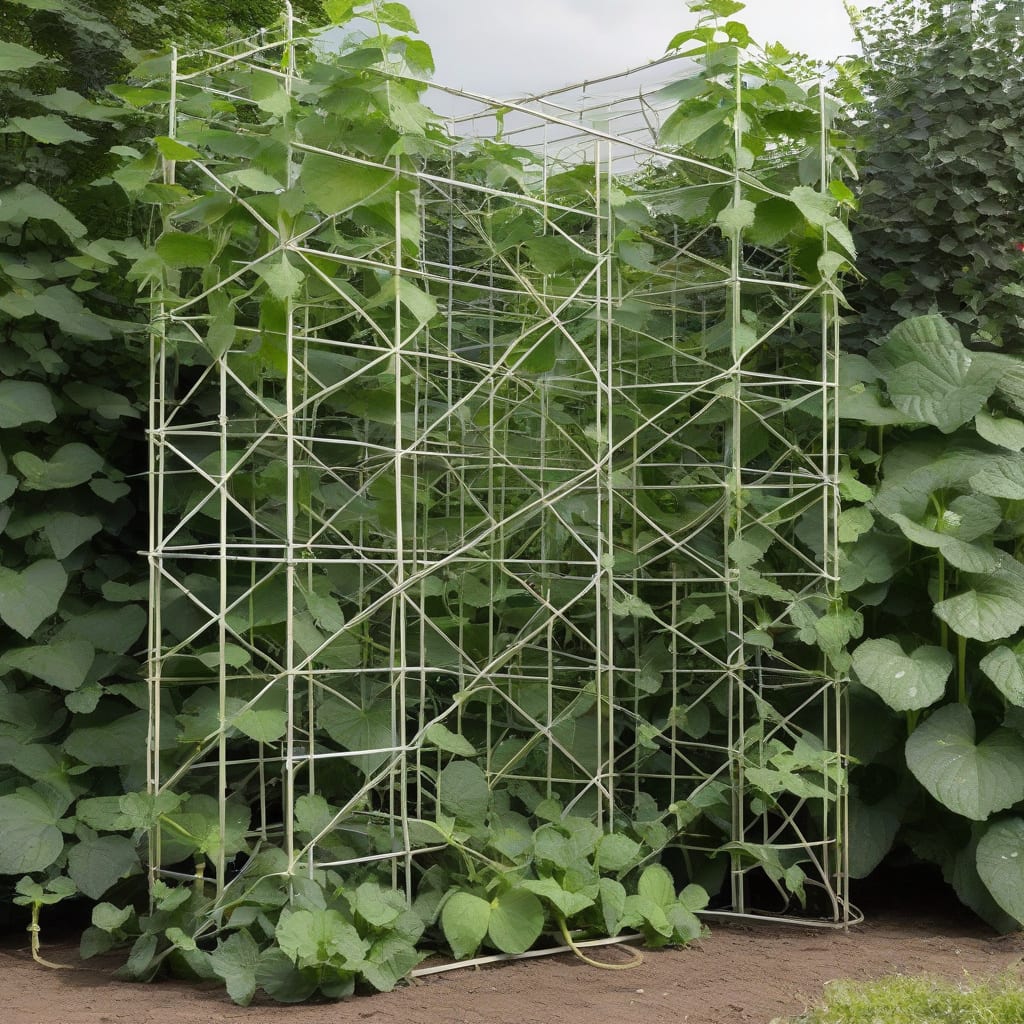
Growing cucumbers 🥒 can be a rewarding experience, but understanding their growth habits is crucial for maximizing space and yield. In USDA Zone 6, you can expect these plants to thrive during the spring season.
Cucumber plants can grow quite tall, typically reaching heights of 5-6 feet. To support their growth, you’ll need to provide them with the right conditions and training. Let’s explore the factors that affect their height and how to make the most of your cucumber harvest.

Cucumber plants are known for their vigorous growth and ability to climb. They can grow quite tall, typically reaching heights of 5-6 feet. Understanding their growth habits is crucial for maximizing space and yield in your garden 🌿.
There are two main types of cucumber plants: vining and bush. Vining cucumbers are more common and can grow much taller than bush varieties. The height of cucumber plants can vary depending on factors such as sunlight, soil quality, and cultivation practices.
Cucumber plants are warm-season crops that thrive in USDA Zone 6. They require full sun and well-draining soil to grow optimally. The ideal time to plant cucumbers is in late spring, after the last frost date 🌟🌞.
The growth habits of cucumber plants can be influenced by various factors, including temperature, watering, and soil nutrients. Providing optimal conditions can help maximize their height and overall yield 📈.
To support the growth of vining cucumber plants, gardeners often use trellises or cages. This not only helps to maximize space but also keeps the fruit off the ground, reducing the risk of disease and damage 🌿.
In addition to providing support, maintaining consistent moisture and adequate nutrients is crucial for healthy growth. Cucumber plants are heavy feeders and benefit from regular fertilization throughout the growing season 🌻.
Understanding the growth habits of cucumber plants is essential for successful cultivation. By providing the right conditions and support, you can enjoy a bountiful harvest of delicious cucumbers 🥒.
Cucumber plants can be grown in a variety of settings, from traditional garden beds to containers. The key is to ensure they receive enough sunlight and water 💧.
As cucumber plants grow, they will begin to produce flowers and eventually fruit. Regular harvesting encourages the plant to continue producing 🌼.
By following these guidelines and understanding the growth habits of cucumber plants, you can enjoy a successful and productive harvest 🌻.
In conclusion, cucumber plants can grow quite tall, especially vining varieties. Providing the right support and conditions is key to maximizing their growth and yield 🌿.
Cucumber plants are influenced by various factors that can impact their height. Understanding these factors is crucial for maximizing their growth and yield 🌿.
The height of cucumber plants can be affected by environmental factors such as sunlight, soil quality, and watering. Providing optimal conditions can help maximize their height 📈.
Cucumber plants require full sun and well-draining soil to grow optimally. Consistent moisture and adequate nutrients are also crucial for healthy growth 🌱.
Cultivation practices such as pruning and trellising can also impact the height of cucumber plants. Pruning can help control the plant’s size, while trellising provides support for the plant to climb 🔝.
In addition to environmental factors and cultivation practices, soil nutrients play a crucial role in determining the height of cucumber plants. Providing adequate fertilization can help promote healthy growth and maximize yield 🌻.
Cucumber plants are heavy feeders and benefit from regular fertilization throughout the growing season. A balanced fertilizer with a ratio of 10-10-10 NPK is recommended 📊.
By understanding the factors that affect the height of cucumber plants, you can take steps to optimize their growth and maximize their yield 🌼.
Regular monitoring and maintenance are essential for ensuring the health and productivity of cucumber plants. This includes keeping an eye out for pests and diseases, and taking action promptly if necessary 🐜.
In conclusion, the height of cucumber plants is influenced by a combination of environmental factors, cultivation practices, and soil nutrients. By providing optimal conditions and care, you can help maximize their growth and yield 🌿.
To maximize cucumber plant height, it’s essential to provide the right growing conditions and support. Cucumber plants require full sun and well-draining soil to grow optimally 🌞.
Use a trellis or cage to support vining cucumber plants, helping them grow upwards and maximizing space 🔝.
Trellising is a crucial step in supporting tall cucumber plants. By providing a structure for the plants to climb, you can help them reach their full potential and promote healthier growth 🌱.
In addition to trellising, maintaining consistent moisture and adequate nutrients is vital for healthy growth. Cucumber plants are heavy feeders and benefit from regular fertilization throughout the growing season 📊.
A balanced fertilizer with a ratio of 10-10-10 NPK is recommended for cucumber plants. This will provide the necessary nutrients for optimal growth and fruit production 🌻.
By following these expert tips and tricks, you can maximize the height of your cucumber plants and enjoy a bountiful harvest of delicious cucumbers 🥒.
