
Beautiful Plants For Your Interior
Beautiful Plants For Your Interior
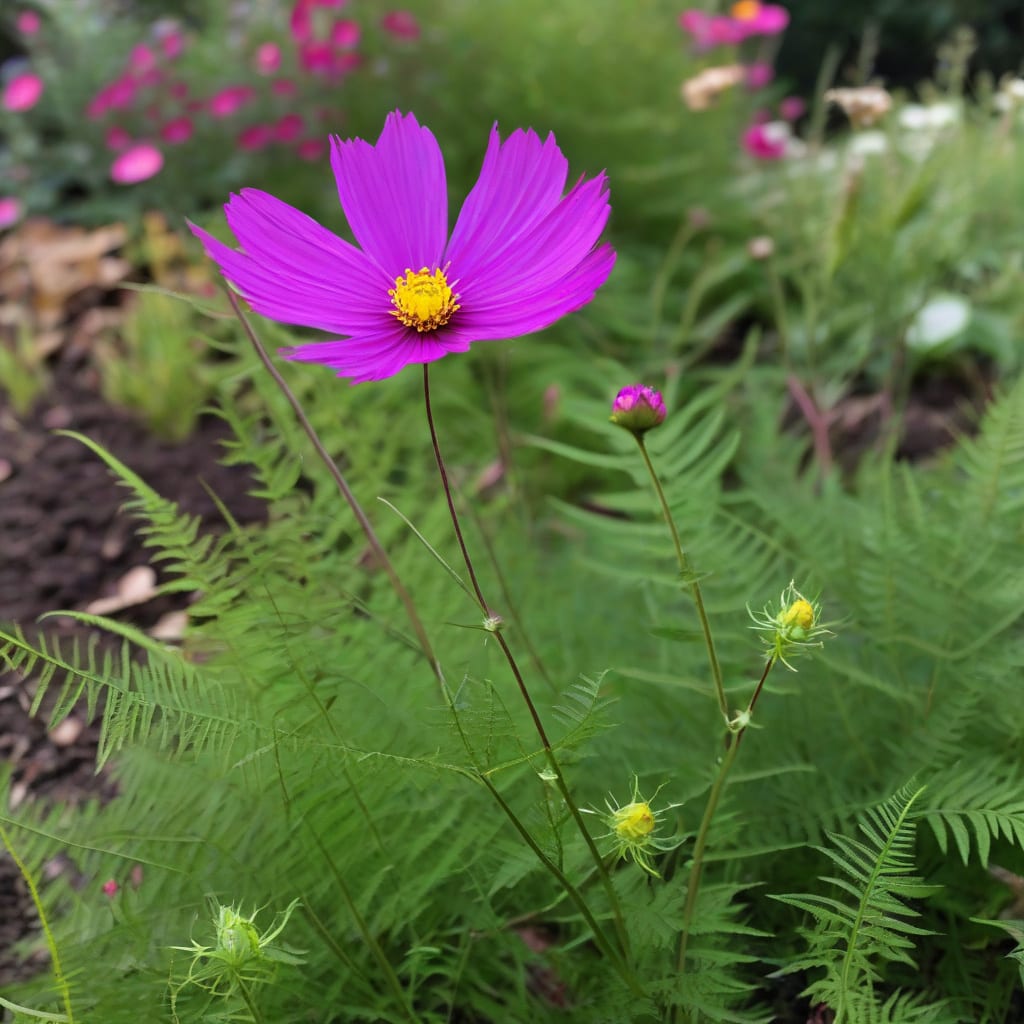
As a gardener, I’ve always been fascinated by the towering beauty of Cosmos 💐 flowers. These vibrant blooms can add a dramatic touch to any garden landscape, but understanding their growth potential is crucial for proper planning.
Cosmos plants can grow anywhere from 3 to 6 feet tall, depending on the variety and growing conditions. In USDA Zone 6, where I garden, they typically thrive when planted in the spring, around April or May.

Cosmos plants are known for their vibrant blooms and ability to add height to any garden landscape. The height of cosmos plants can vary significantly based on several factors, including the specific variety, growing conditions, and care provided.
The typical height range for cosmos plants is between 3 to 6 feet, with some varieties growing taller or shorter depending on their genetics and environmental conditions. In general, cosmos plants are considered medium-sized flowers that can add a dramatic touch to garden beds and borders.
Several factors can influence the height of cosmos plants, including the variety, soil quality, sunlight exposure, and watering practices. Understanding these factors can help gardeners optimize growing conditions to achieve the desired height.
Cosmos plants prefer full sun and well-draining soil, which can contribute to their overall health and growth. Proper spacing between plants is also crucial to allow for adequate air circulation and prevent overcrowding.
To maximize the height of cosmos plants, gardeners can focus on providing optimal growing conditions. This includes preparing the soil with organic matter, ensuring adequate sunlight, and maintaining a consistent watering schedule. By following these tips, gardeners can help their cosmos plants reach their full height potential.
Cosmos plants can grow to varying heights depending on the specific variety. Some dwarf varieties may reach heights of 3 feet, while standard varieties can grow up to 6 feet tall. Understanding the specific growth characteristics of the variety being grown can help gardeners plan their garden design accordingly.
In addition to their height, cosmos plants are also known for their vibrant blooms and attractive foliage. These plants can add a dramatic touch to garden landscapes and can be used in a variety of garden designs, from cottage gardens to wildlife gardens. 🌼
When growing cosmos plants, it’s essential to consider their mature height and spread to ensure proper spacing and placement in the garden. This can help prevent overcrowding and allow the plants to receive adequate sunlight and air circulation.
By understanding the growth habits and height potential of cosmos plants, gardeners can make informed decisions about their garden design and plant selection. Whether growing dwarf or standard varieties, cosmos plants can add beauty and interest to any garden landscape.
In conclusion, cosmos plants can grow to varying heights depending on several factors, including the specific variety and growing conditions. By providing optimal care and understanding the growth characteristics of these plants, gardeners can help them reach their full height potential and enjoy their vibrant blooms throughout the growing season.
Gardeners can expect cosmos plants to bloom from July to September, with the peak blooming period typically occurring in mid-summer. During this time, the plants will produce an abundance of colorful flowers that can attract pollinators and add beauty to the garden.
To help cosmos plants reach their full height potential, gardeners can focus on providing optimal growing conditions. This includes preparing the soil with organic matter, ensuring adequate sunlight, and maintaining a consistent watering schedule. 🌼
Add compost or well-rotted manure to improve soil fertility and drainage.
Ensure cosmos plants receive at least 6 hours of direct sunlight per day.
Maintain a consistent watering schedule, providing about 1 inch of water per week.
Cosmos plants can grow to varying heights depending on the specific variety. Some dwarf varieties may reach heights of 3 feet, while standard varieties can grow up to 6 feet tall. Understanding the specific growth characteristics of the variety being grown can help gardeners plan their garden design accordingly.
In addition to their height, cosmos plants are also known for their vibrant blooms and attractive foliage. These plants can add a dramatic touch to garden landscapes and can be used in a variety of garden designs, from cottage gardens to wildlife gardens. By following the tips outlined above, gardeners can help their cosmos plants reach their full height potential and enjoy their beautiful blooms throughout the growing season.
Cosmos plants are relatively low-maintenance and can thrive in a variety of conditions. However, they do require some basic care to reach their full potential. By providing the right growing conditions and following the tips outlined above, gardeners can enjoy a bountiful display of cosmos flowers in their garden.
In conclusion, maximizing the height of cosmos plants requires a combination of good soil preparation, adequate sunlight, and consistent watering. By following these tips and understanding the specific growth characteristics of their cosmos variety, gardeners can help their plants reach their full height potential and enjoy their beautiful blooms throughout the growing season.
When growing cosmos plants, it’s essential to consider their mature height and how they will fit into your overall garden design. Tall cosmos varieties can grow up to 6 feet tall, which can be both a blessing and a challenge.
To manage tall cosmos plants effectively, gardeners can use several strategies. One approach is to provide support using stakes or trellises to prevent the plants from toppling over in the wind.
For tall cosmos varieties, use stakes or trellises to provide support and keep plants upright. This will prevent damage from wind and maintain their natural beauty.
Another strategy is to incorporate tall cosmos plants into your garden design in a way that creates a visually appealing and balanced landscape. This can involve planting them towards the back of a border or using them as a backdrop for shorter plants.
When planting tall cosmos varieties, it’s also important to consider their potential impact on other plants in the garden. To prevent them from overshadowing smaller plants, gardeners can plant them in a location that receives morning sun and afternoon shade.
By understanding the growth habits and height potential of cosmos plants, gardeners can create a beautiful and balanced garden landscape that showcases these stunning flowers. 🌼
