
Beautiful Plants For Your Interior
Beautiful Plants For Your Interior
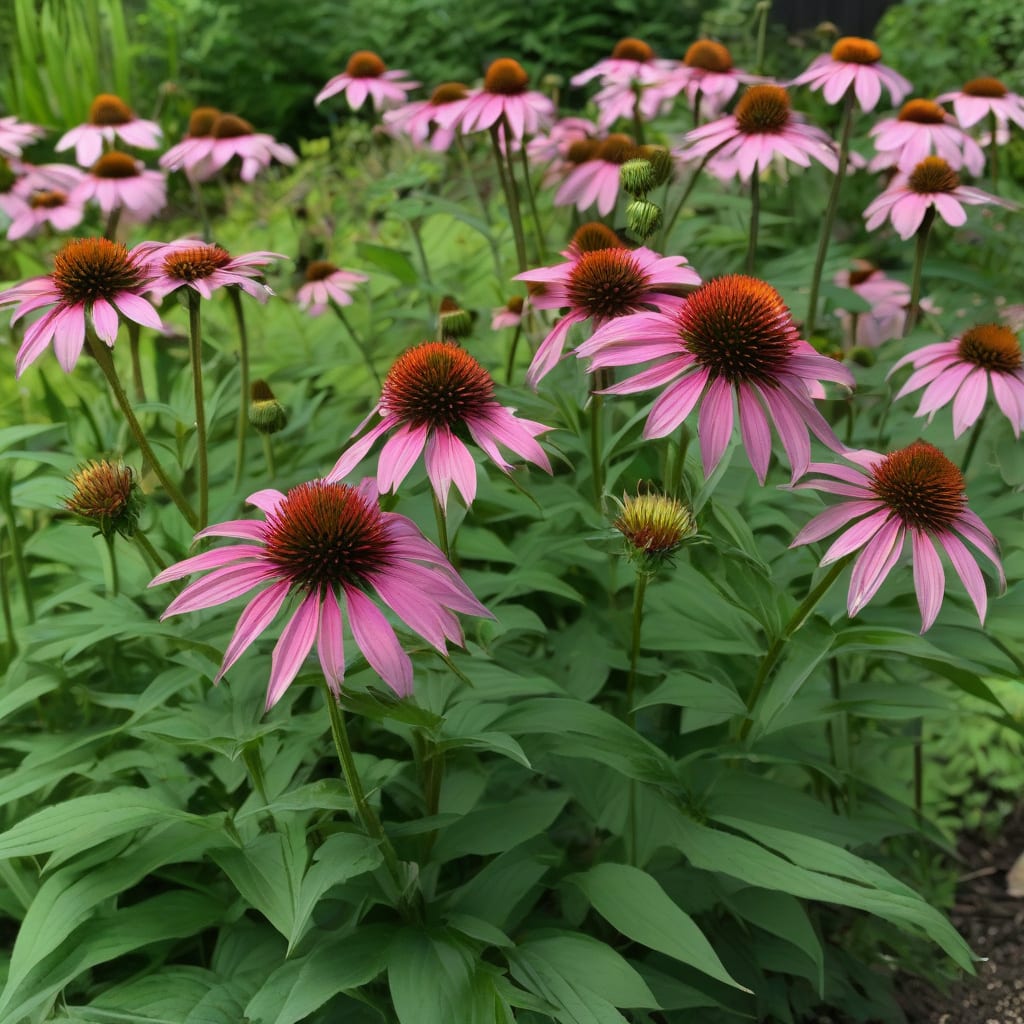
When planning your garden, understanding how tall your 💐 Coneflower will grow is crucial for optimal placement and design. The height of these beautiful flowers can significantly impact their visibility and overall garden aesthetics.
Coneflower typically grows between 2-4 feet tall, making them a versatile choice for various garden layouts in USDA Zone 6. Let’s explore the factors that influence their growth and how to manage their height effectively.


Coneflower height is influenced by various factors that gardeners should consider when planning their garden. The soil quality plays a crucial role in determining the height of coneflowers, with well-draining, nutrient-rich soil supporting healthier and taller plants 🌿.
Sunlight exposure is another critical factor, as coneflowers generally require full sun to reach their maximum height potential. The amount of sunlight directly impacts the plant’s ability to undergo photosynthesis, which in turn affects its growth rate and overall height 🌻.
The specific coneflower cultivar also significantly affects its height. Different varieties have been bred for various characteristics, including height, with some growing taller than others. Understanding these varietal differences helps gardeners choose the right coneflower for their specific garden design needs 🌱.
Watering practices contribute to coneflower height by maintaining consistent soil moisture. While coneflowers are relatively drought-tolerant once established, consistent watering during their growth period supports optimal height development 💧.
Fertilization is another factor that can influence coneflower height. Using a balanced fertilizer (10-10-10 NPK) at regular intervals can provide necessary nutrients for robust growth and maximum height potential 📈.
It’s worth noting that coneflowers are generally considered low-maintenance plants, making them suitable for gardeners of various experience levels. Their natural growth habits and relatively consistent height ranges make them predictable elements in garden design 🌼.
Gardeners should also consider the planting location and how it affects coneflower height. Factors such as wind protection and soil drainage can indirectly influence plant height by affecting overall plant health 🌻.
In USDA Zone 6, coneflowers typically thrive and reach their expected height ranges when planted in appropriate conditions. The frost-free days and temperature fluctuations in this zone support the growth of these hardy perennials ❄️.
Understanding these factors helps gardeners create optimal growing conditions for their coneflowers, ensuring they reach their full height potential and contribute effectively to the garden’s overall aesthetic 🌺.
By considering these various factors, gardeners can better predict and manage the height of their coneflowers, creating a more harmonious and visually appealing garden design 🌸.
The combination of proper care, suitable environmental conditions, and appropriate cultivar selection all work together to determine the final height of coneflower plants in a garden setting 🌻.
Coneflower varieties exhibit different height characteristics that gardeners should consider when planning their garden design. The purple coneflower (Echinacea purpurea) typically grows between 2-4 feet tall, making it a versatile choice for various garden layouts 🌼.
White coneflower (Echinacea albiflora) and other cultivars also have distinct height ranges. Some compact varieties remain shorter, while taller cultivars can reach heights of 4 feet or more under optimal growing conditions 🌻.
Understanding these height variations helps gardeners select the most appropriate coneflower varieties for their specific garden needs and design preferences 🌺.
The height of coneflower plants can significantly impact their placement in garden designs. Taller varieties often serve as backdrop plants, while shorter cultivars work well in foreground plantings or container gardens 🏠.
Gardeners should consider how the mature height of their chosen coneflower variety will affect the overall garden structure and visual appeal 🌸.
By selecting coneflower varieties with appropriate height characteristics, gardeners can create more balanced and aesthetically pleasing garden compositions 🌻.
Different coneflower varieties offer gardeners a range of height options to suit various garden designs and spatial requirements 🌼.
The height range of coneflowers allows for flexibility in garden planning, from border plantings to background elements in larger garden designs 🌺.
When incorporating coneflowers into garden designs, their height plays a crucial role in creating visually appealing arrangements. The typical height range of 2-4 feet makes coneflowers versatile for various garden layouts.
To effectively manage coneflower height in garden design, consider the mature height of the specific variety you’re planting. This helps in planning the overall structure and visual flow of your garden 🌼.
Combining coneflowers of different heights with other plants creates a layered garden effect, adding depth and visual interest to your garden design 🌺.
Gardeners can use coneflower height to create natural garden dividers or screening elements, particularly when using taller varieties 🌻.
The height of coneflowers also affects their visibility and impact in the garden. Taller plants are more visible from a distance, while shorter varieties offer more subtle beauty when viewed up close 🌸.
By thoughtfully incorporating coneflower height into garden planning, gardeners can create more balanced and visually appealing outdoor spaces that showcase these beautiful plants 🌼.
