
Beautiful Plants For Your Interior
Beautiful Plants For Your Interior
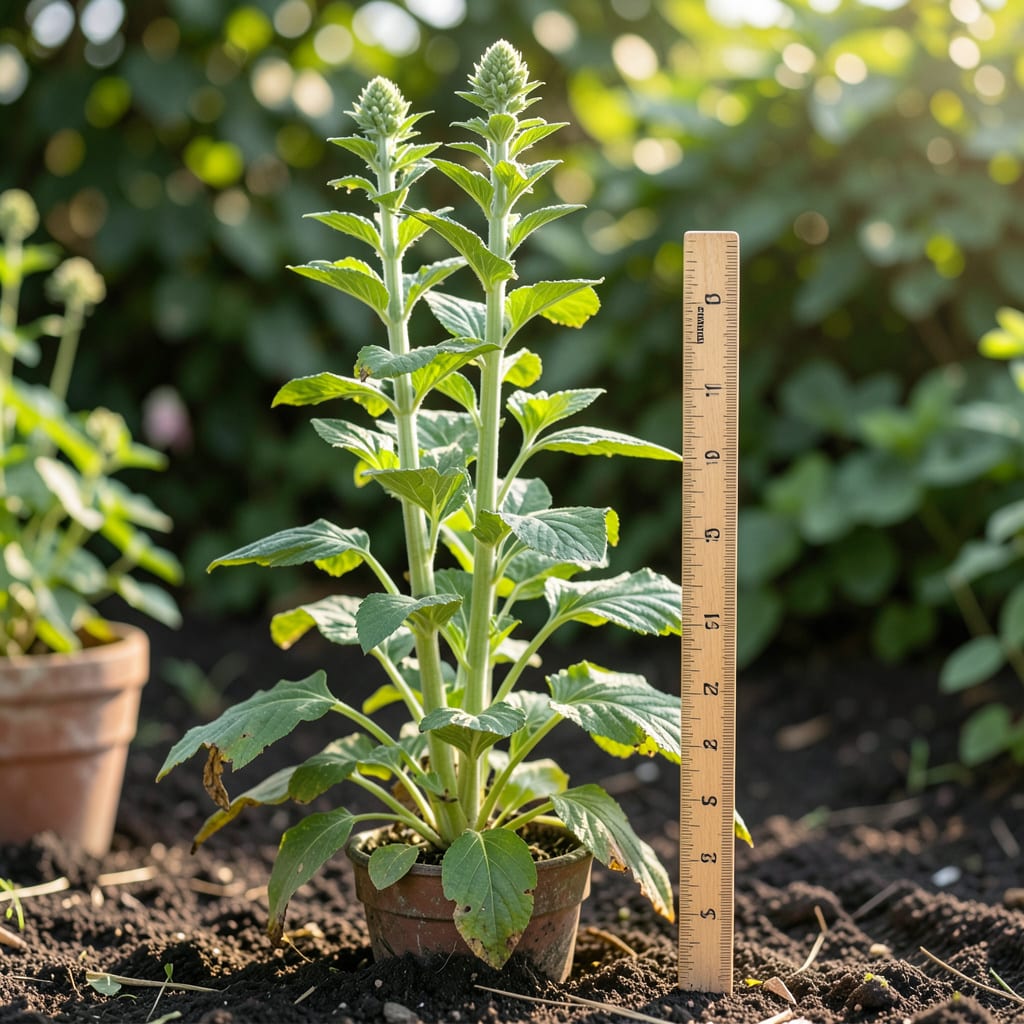
When I first planted Comfrey 🌿 in my garden, I was surprised by its rapid growth. This versatile perennial herb can grow quite tall, making it a great backdrop for other plants. Understanding its growth habits is crucial for proper placement.
Comfrey typically grows between 3 to 6 feet tall, making it a substantial presence in any garden bed. I’ll explore the factors that influence its height and provide tips on managing its growth.

Comfrey is known for its impressive height, which can vary depending on the specific variety and growing conditions. Generally, comfrey plants can grow between 3 to 6 feet tall, making them a substantial presence in any garden bed.
The height of comfrey plants is influenced by factors such as soil quality, sunlight, and watering practices. In optimal conditions, comfrey can reach its maximum height, while poor conditions may limit its growth.
The height of comfrey is a crucial factor to consider when planning your garden layout. Understanding the potential height helps in placing comfrey appropriately among other plants.
Different varieties of comfrey may exhibit slightly different growth habits. For example, Russian comfrey tends to be more vigorous and can grow taller than some other varieties.
When planting comfrey, it’s essential to consider its mature height to ensure it has enough space to grow without overshadowing other plants. Proper spacing also helps in maintaining good air circulation, which can prevent diseases.
Comfrey’s height can be influenced by the quality of care it receives. Fertilization and watering practices play a significant role in determining how tall comfrey will grow.
In addition to its height, comfrey’s broad leaves contribute to its overall presence in the garden. The plant’s foliage can be quite dense, making it an effective backdrop for other garden plants.
Understanding comfrey’s growth habits, including its height, is key to successfully integrating it into your garden. With proper care and placement, comfrey can be a valuable addition to your garden ecosystem 🌿.
Comfrey’s ability to grow quite tall makes it an excellent choice for the back of garden borders or as a standalone feature in a dedicated herb garden.
The height of comfrey also makes it a good candidate for creating natural garden dividers or screens, providing both aesthetic and functional benefits.
By considering comfrey’s potential height and growth habits, gardeners can make informed decisions about its placement and care, ensuring it thrives in their garden.
When growing comfrey, several factors can influence its height. Soil quality is one of the most critical elements. Comfrey thrives in rich, well-draining soil with a good mix of nutrients. Poor soil conditions can limit its growth, while fertile soil can help it reach its full potential 🌿.
Sunlight is another crucial factor. Comfrey prefers full sun to partial shade. In areas with intense sunlight, some afternoon shade can be beneficial. The amount of sunlight directly impacts the plant’s ability to photosynthesize and grow tall.
Soil quality, sunlight, watering, and pruning practices all play significant roles in determining comfrey’s height.
Watering practices also significantly affect comfrey’s height. Consistent moisture, especially during the growing season, helps the plant grow robustly. However, overwatering can be detrimental, leading to root rot and stunted growth.
Pruning is another factor that can influence comfrey’s height. Regular pruning can help control the plant’s height and encourage bushier growth. By cutting back comfrey after it flowers, you can promote new growth and maintain a more manageable height.
The climate and weather conditions in your area can also impact comfrey’s growth. Comfrey is hardy in USDA zones 6, and it can tolerate a range of temperatures. However, extreme weather conditions, such as prolonged drought or excessive rain, can affect its height.
Understanding these factors and how they interact can help you create optimal growing conditions for your comfrey plants, ensuring they reach their full potential height 🌼.
By paying attention to these elements, you can better manage your comfrey’s growth and enjoy the benefits of this versatile herb in your garden.
In summary, the height of comfrey is influenced by a combination of factors including soil quality, sunlight, watering practices, and pruning. By optimizing these conditions, you can help your comfrey plants grow to their full potential.
When growing comfrey, managing its height is crucial for maintaining a balanced garden ecosystem. Comfrey can grow quite tall, typically between 3 to 6 feet, making it essential to consider its placement among other plants 🌿.
One effective way to manage comfrey’s height is through regular pruning practices. By cutting back comfrey after it flowers, you can promote new growth and maintain a more manageable height. This practice also encourages bushier growth, making the plant more compact.
Regular pruning not only controls height but also promotes healthier, bushier comfrey plants.
Companion planting is another strategy for managing comfrey’s height. By planting comfrey among other tall plants or using it as a backdrop, you can create a visually appealing garden layout while making the most of comfrey’s height.
The placement of comfrey in your garden also plays a significant role in managing its height. Positioning comfrey in areas where its height won’t overshadow smaller plants is key. Using comfrey as a natural garden divider or screen can be both aesthetically pleasing and functional.
Understanding comfrey’s growth habits and how to manage its height effectively allows gardeners to enjoy the benefits of this versatile herb while maintaining a balanced garden ecosystem 🌼.
By implementing these strategies, you can ensure that your comfrey plants thrive and contribute positively to your garden’s overall health and appearance.
In summary, managing comfrey’s height involves a combination of regular pruning, thoughtful placement, and companion planting. These practices help maintain a balanced garden while maximizing the benefits of growing comfrey.
Comfrey plants typically grow between 3 to 6 feet tall, with the average height ranging from 4 to 5 feet when properly cared for. The height can vary depending on factors like soil quality and sunlight. Proper care can help comfrey reach its full potential height .
Yes, different comfrey varieties can exhibit slightly different growth habits. For example, Russian comfrey tends to be more vigorous and can grow taller than some other varieties. Understanding the specific variety you’re growing can help you anticipate its mature height.
Regular pruning practices can help control comfrey’s height and encourage bushier growth. Cutting back comfrey after it flowers promotes new growth and maintains a more manageable height. This practice also helps prevent the plant from overshadowing other garden plants .
Yes, comfrey’s height makes it an excellent choice for creating natural garden dividers or screens. Its dense foliage provides both aesthetic and functional benefits, making it a valuable addition to garden layouts. Planting comfrey among other tall plants or using it as a backdrop can create a visually appealing garden design .
