
Beautiful Plants For Your Interior
Beautiful Plants For Your Interior
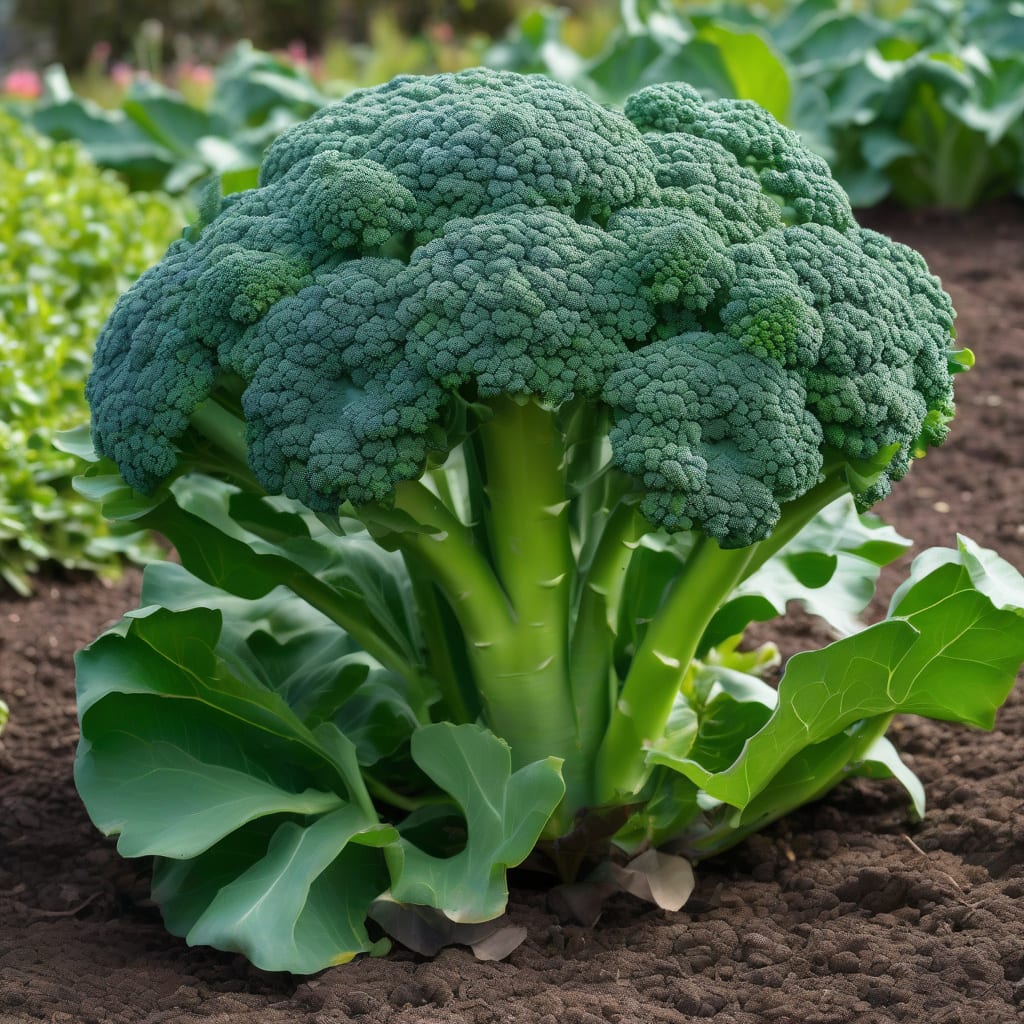
When growing Broccoli 🥦, understanding its height potential is crucial for proper spacing and support. In ideal conditions, Broccoli plants can grow between 2-3 feet tall.
Factors like soil quality, sunlight, and watering practices affect their development. By optimizing these conditions, you can help your Broccoli plants reach their full height potential and enjoy a bountiful harvest.


Broccoli is a cool-season crop that can grow to varying heights depending on the variety and growing conditions. Generally, Broccoli plants can reach heights of 2-3 feet, with some varieties growing taller or shorter than this range.
The height of Broccoli plants is influenced by factors such as soil quality, sunlight, and watering practices. Understanding these factors is crucial for optimizing growing conditions and achieving a bountiful harvest 🌿.
The height range of Broccoli plants varies significantly across different varieties. Dwarf varieties tend to be more compact, while standard and giant varieties can grow taller. Understanding the specific variety you’re growing is key to managing expectations.
Growing conditions also play a crucial role in determining the final height of Broccoli plants. Factors such as soil quality, sunlight exposure, and watering practices can all impact plant growth.
Broccoli plants require full sun exposure to produce a healthy head. They prefer well-draining soil rich in organic matter and consistent moisture levels.
Regular fertilization with a balanced fertilizer can support healthy growth and maximize height potential. It’s also important to space plants adequately to prevent overcrowding.
By understanding the factors that influence Broccoli height and optimizing growing conditions, gardeners can help their plants reach their full potential and enjoy a successful harvest 🌼.
Key factors to consider when growing Broccoli include variety selection, soil preparation, and proper spacing. By focusing on these elements, gardeners can create an ideal environment for their Broccoli plants to thrive.
Monitoring plant health and adjusting growing practices as needed can also help maximize height and overall yield. This includes keeping an eye out for signs of nutrient deficiencies or pest damage.
In summary, understanding how tall Broccoli can grow and the factors that influence its height is essential for successful cultivation. By choosing the right variety and optimizing growing conditions, gardeners can enjoy a bountiful harvest of delicious, homegrown Broccoli 🥦.
Broccoli plant height is influenced by multiple factors that gardeners can control to optimize growth. The quality of soil plays a crucial role in determining how tall Broccoli plants will grow, with well-draining soil rich in organic matter being ideal 🌱.
Sunlight exposure is another critical factor, as Broccoli requires full sun to produce a healthy head. Gardeners should ensure their plants receive at least 6 hours of direct sunlight daily to support optimal growth.
Broccoli plants benefit from consistent moisture levels. Water them every 3-4 days during dry spells to maintain optimal growth.
Watering practices significantly impact Broccoli height. The plants prefer consistent moisture, especially during dry periods. Gardeners should water their Broccoli plants every 3-4 days during dry spells.
Fertilization is also essential for maximizing Broccoli height. Regular feeding with a balanced fertilizer (such as 10-10-10 NPK) every 3-4 weeks supports healthy growth and development.
Proper spacing is critical to prevent overcrowding, which can limit plant height and overall health. Gardeners should space their Broccoli plants 18-24 inches apart to allow for adequate air circulation and growth.
By understanding and managing these factors, gardeners can create optimal growing conditions for their Broccoli plants. This includes monitoring plant health and adjusting growing practices as needed to maximize height and yield 🌼.
Nutrient deficiencies and pest damage can significantly impact Broccoli plant height. Gardeners should keep an eye out for signs of these issues and address them promptly to maintain healthy growth.
In summary, factors such as soil quality, sunlight exposure, watering practices, and fertilization all play a role in determining Broccoli plant height. By optimizing these conditions, gardeners can help their plants reach their full potential 🥦.
To help your Broccoli plants reach their full height potential, it’s essential to provide optimal growing conditions. Proper spacing is critical, so ensure your plants are 18-24 inches apart to allow for adequate air circulation and growth 🌱.
Use well-draining soil rich in organic matter to support healthy root development.
Water your Broccoli plants every 3-4 days during dry spells to maintain optimal growth.
Feed your Broccoli plants with a balanced fertilizer (such as 10-10-10 NPK) every 3-4 weeks.
By following these expert tips, you can help your Broccoli plants reach their full height potential and enjoy a bountiful harvest. Regular monitoring of plant health and adjusting growing practices as needed can also help maximize height and overall yield 🌼.
Broccoli plants require full sun exposure to produce a healthy head. Ensure they receive at least 6 hours of direct sunlight daily to support optimal growth.
Proper care and attention to your Broccoli plants will result in a successful harvest. By optimizing growing conditions and following expert tips, you can enjoy a delicious and healthy crop of homegrown Broccoli 🥦.
