
Beautiful Plants For Your Interior
Beautiful Plants For Your Interior
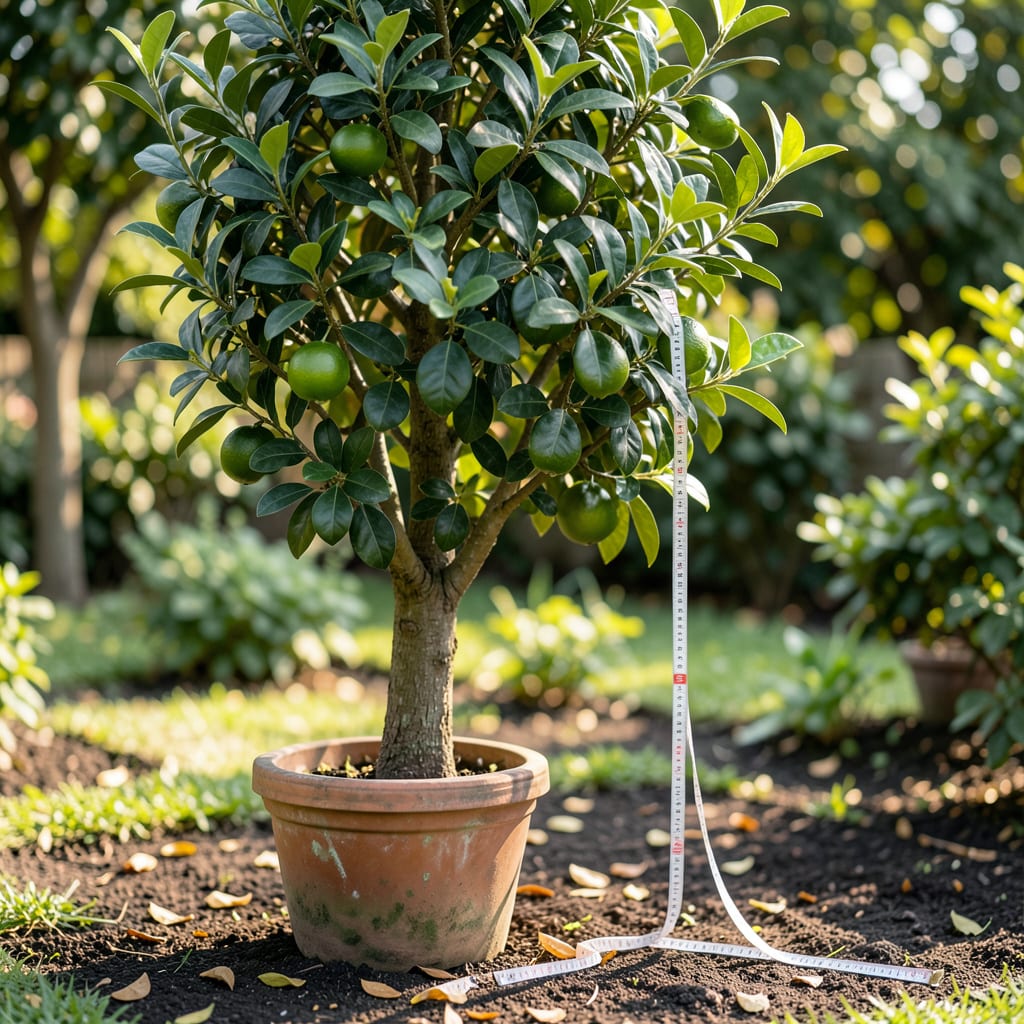
When growing Bergamot 🌿 in your garden, understanding its height potential is crucial for proper planning. In ideal conditions, Bergamot can grow between 2-4 feet tall, making it a compact addition to various landscapes.
Factors like soil quality, sunlight, and pruning practices significantly influence its final height. By managing these elements, you can keep your Bergamot at the desired size while enjoying its fragrant citrus fruit and aromatic leaves.


Bergamot trees are known for their compact growth habit, typically reaching heights between 2-4 feet. This makes them an excellent choice for smaller gardens or container cultivation. The tree’s natural size can vary depending on factors such as soil quality, climate conditions, and pruning practices 🌿.
Understanding the growth characteristics of bergamot is essential for gardeners to plan their landscape effectively. The tree’s height potential is influenced by its rootstock, with dwarf varieties growing 1-2 feet tall and standard varieties reaching up to 4 feet. Proper care and maintenance can help achieve the desired height while promoting healthy growth 🌱.
The growth rate of bergamot trees is considered moderate, with young trees establishing quickly under optimal conditions. Annual growth can range from 6-12 inches during the first few years, slowing down as the tree matures. Regular watering and balanced fertilization during the growing season support healthy development 🌟.
Bergamot trees typically reach their mature height within 3-5 years when grown in ideal conditions. Factors such as full sun exposure, well-draining soil, and regular pruning contribute to optimal growth. Container-grown trees may require more frequent pruning to maintain desired size and shape 📏.
Soil quality plays a crucial role in determining the maximum height of bergamot trees. Well-draining, slightly acidic soil with a pH between 6.0-6.5 promotes healthy root development and overall growth. Regular soil testing helps maintain optimal nutrient levels for maximum height potential 🌱.
Pruning practices significantly influence the final height of bergamot trees. Regular pruning helps maintain a compact shape, encourages fruit production, and removes dead or diseased branches. Pruning should be done annually during the dormant season to promote healthy growth in the following year 🌲.
In addition to proper care, environmental factors such as temperature and humidity affect bergamot tree growth. The trees thrive in USDA zones 6-9, where they receive adequate warmth and protection from extreme cold. Mulching around the base helps regulate soil temperature and retain moisture, supporting overall health 🌿.
Bergamot trees grown in containers require special consideration regarding their height potential. Container size, soil quality, and regular repotting influence the tree’s ability to reach its maximum height. Using a large enough container with good drainage is crucial for healthy root development and overall growth 📦.
Regular maintenance, including fertilization and pest management, contributes to the overall health and height potential of bergamot trees. A balanced fertilizer applied during the growing season provides essential nutrients for growth. Monitoring for pests and diseases helps prevent issues that could impact the tree’s height and productivity 🚫.
By understanding the growth characteristics and height potential of bergamot trees, gardeners can make informed decisions about their cultivation. Whether grown in the ground or in containers, proper care and maintenance are key to achieving the desired height while enjoying the tree’s many benefits 🌸.
The height of bergamot trees is influenced by various environmental and care factors. Understanding these elements helps gardeners create optimal growing conditions for their trees 🌿.
Soil quality plays a significant role in determining bergamot tree height. Well-draining, slightly acidic soil with a pH between 6.0-6.5 promotes healthy root development and overall growth 🌱.
Soil quality, climate conditions, pruning practices, and container size all impact the final height of bergamot trees.
Climate conditions also affect bergamot tree growth. The trees thrive in USDA zones 6-9, where they receive adequate warmth and protection from extreme cold ❄️.
Pruning practices are crucial for maintaining the desired height and shape of bergamot trees. Regular pruning helps maintain a compact shape, encourages fruit production, and removes dead or diseased branches 🌲.
Container size is another important factor for bergamot trees grown in containers. Using a large enough container with good drainage is crucial for healthy root development and overall growth 📦.
By understanding and managing these factors, gardeners can optimize the growth and height of their bergamot trees, ensuring they remain healthy and productive 🌸.
Regular maintenance, including fertilization and pest management, also contributes to the overall health and height potential of bergamot trees. A balanced fertilizer applied during the growing season provides essential nutrients for growth 💪.
Monitoring for pests and diseases helps prevent issues that could impact the tree’s height and productivity. By taking a proactive approach to care, gardeners can enjoy the many benefits of their bergamot trees for years to come 🌟.
Managing the size of your bergamot tree is crucial for maintaining its health and productivity. Regular pruning techniques help control the tree’s height and shape, ensuring it remains compact and fruitful 🌿.
Prune annually during the dormant season to maintain shape and encourage fruiting.
Container growing is another effective way to manage bergamot tree size. Using a large enough container with good drainage helps control the tree’s root growth, which in turn affects its overall size 📦.
Regular maintenance, including fertilization and pest management, is essential for keeping your bergamot tree healthy and productive. A balanced fertilizer applied during the growing season provides necessary nutrients for growth 💪.
Monitoring for pests and diseases is crucial for preventing issues that could impact the tree’s size and productivity. Regular inspections help identify problems early, allowing for timely intervention 🚫.
By implementing these strategies, you can effectively manage the size of your bergamot tree, ensuring it remains a beautiful and productive addition to your garden 🌸.
Proper care and attention to your bergamot tree’s needs will result in a healthy, compact tree that provides fragrant citrus fruit and aromatic leaves for years to come 🌟.
The key to successful bergamot tree management lies in understanding its growth habits and responding with appropriate care techniques. With the right approach, you can enjoy the many benefits of this versatile citrus tree 🌿.
Bergamot trees typically grow between 2-4 feet tall, making them suitable for smaller gardens or container cultivation. The height can vary depending on factors like soil quality and pruning practices. Proper care helps achieve the desired height while promoting healthy growth.
Bergamot trees usually reach their mature height within 3-5 years when grown in ideal conditions. Factors like full sun exposure, well-draining soil, and regular pruning contribute to optimal growth. Container-grown trees may require more frequent pruning.
Yes, you can manage the height of your bergamot tree through regular pruning techniques. Pruning annually during the dormant season helps maintain a compact shape and encourages fruit production. Container growing is another effective way to control the tree’s size.
Several factors influence bergamot tree height, including soil quality, climate conditions, pruning practices, and container size. Well-draining, slightly acidic soil and adequate warmth promote healthy growth. Regular maintenance also contributes to the tree’s overall health and productivity.
