
Beautiful Plants For Your Interior
Beautiful Plants For Your Interior
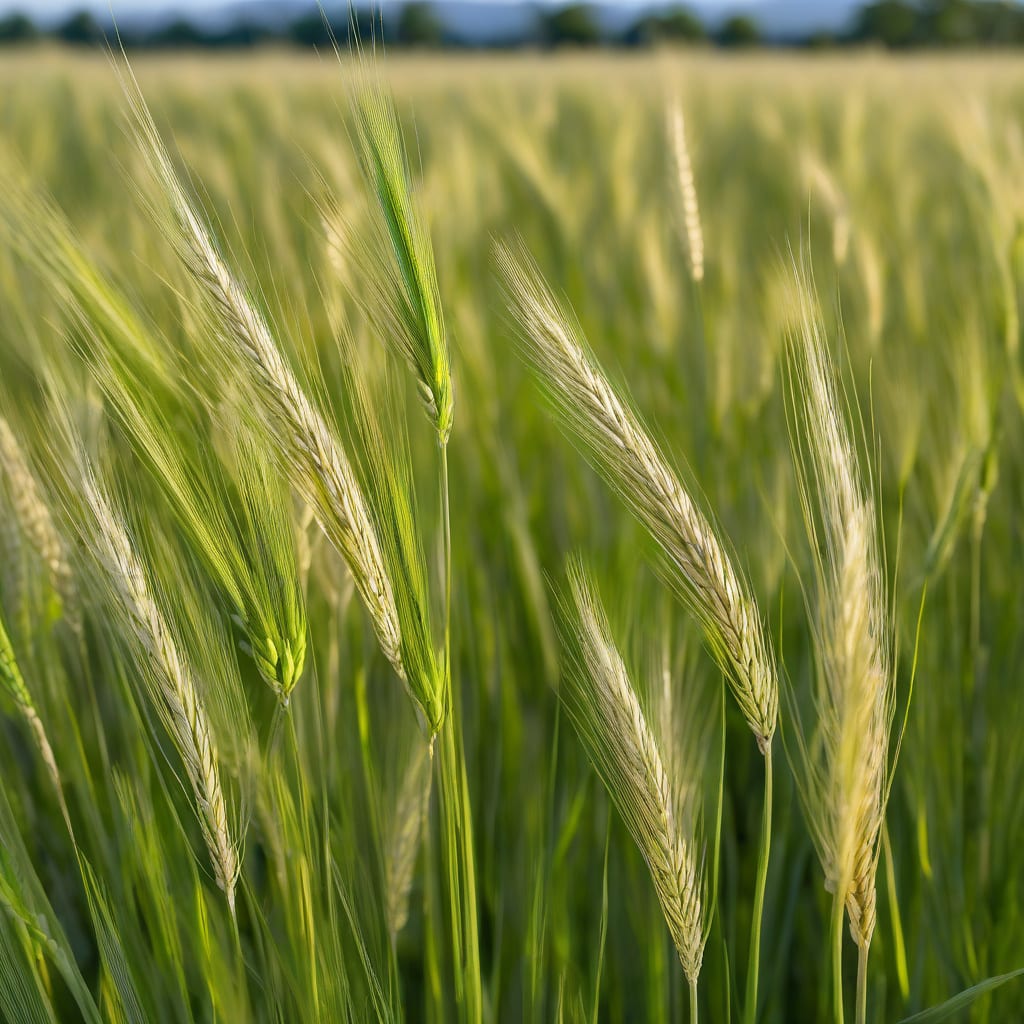
As a farmer growing 🌾 Barley, understanding its height is crucial for maximizing yields. The height of Barley plants can vary significantly based on factors like variety, soil quality, and climate conditions.
Typically, Barley grows between 2-4 feet tall, with some varieties reaching even higher. Knowing what to expect can help you better manage your crop and make informed decisions about cultivation practices.


Understanding the factors that influence barley height is crucial for farmers to optimize their crop management strategies. Barley height can vary significantly based on several key factors.
The primary factors affecting barley height include genetics, soil quality, climate conditions, and farming practices. Each of these elements plays a significant role in determining the final height of barley plants 🌾.
The genetic makeup of barley varieties plays a crucial role in determining their height. Different varieties are bred for specific characteristics, including height, to suit various growing conditions and agricultural practices.
Soil quality is another critical factor affecting barley height. The availability of nutrients, especially nitrogen, directly impacts plant growth. Farmers often use fertilizers to ensure optimal nutrient levels for their barley crops.
Climate conditions, including temperature and rainfall patterns, also significantly influence barley height. Adequate moisture during the growing season promotes typically results in healthier, taller barley plants.
By understanding these factors, farmers can make informed decisions about their barley cultivation practices, optimizing conditions for maximum height and yield potential 🌱.
Effective crop management involves balancing these factors to achieve the desired barley height. This includes selecting appropriate varieties, managing soil nutrients, and implementing suitable farming practices tailored to local climate conditions.
The height of barley plants is a critical factor in determining both yield potential and harvest efficiency. Taller plants can sometimes be more prone to lodging, which requires careful management.
Farmers must consider these various influencing factors when planning their barley cultivation. By optimizing the conditions that affect barley height, farmers can work towards achieving their desired crop outcomes.
Successful barley production depends on understanding and managing the complex interplay of genetics, soil quality, climate, and farming practices. This comprehensive approach helps ensure optimal barley height and overall crop performance 🌾.
Barley height is a critical factor for farmers to understand as it directly impacts crop management and yield potential. The average height of barley plants typically ranges between 2-4 feet, with variations depending on the specific variety and growing conditions 🌾.
Different barley varieties exhibit distinct height characteristics. Some are bred to be shorter and more resistant to lodging, while others can grow taller under optimal conditions.
Most barley varieties grow between 2-4 feet tall, with an average of around 3 feet.
Dwarf varieties may reach 2-3 feet, while standard varieties can grow up to 4 feet or more under ideal conditions.
Factors such as soil quality, climate, and agronomic practices can influence the final height of barley plants.
Understanding these height variations is essential for farmers to optimize their crop management strategies. By selecting appropriate varieties and implementing suitable farming practices, farmers can work towards achieving their desired barley height and yield potential 🌱.
The height of barley plants affects not only the yield but also the ease of harvesting. Taller plants may require additional support to prevent lodging, while shorter varieties might be more suitable for certain environmental conditions.
Farmers should consider the specific characteristics of their chosen barley variety and adjust their cultivation practices accordingly. This may include adjusting planting density, managing soil nutrients, and implementing appropriate irrigation strategies.
By understanding and managing the factors that influence barley height, farmers can optimize their crop production. This comprehensive approach helps ensure that barley plants reach their optimal height, contributing to better overall crop performance 🌾.
Effective management of barley height is crucial for achieving optimal crop yields. Farmers can employ several strategies to control barley height and maximize their harvest 🌾.
Proper nitrogen management is key to controlling barley height. Applying the right amount of nitrogen at the correct growth stage can help achieve optimal plant height and prevent lodging.
One of the primary methods for managing barley height is through nitrogen management. The amount and timing of nitrogen application can significantly impact plant growth and final height.
Farmers can also use plant growth regulators (PGRs) to control barley height. PGRs can help reduce plant height, making the crop more resistant to lodging and improving harvest efficiency 🔄.
Other agronomic practices that influence barley height include planting density and irrigation management. Adjusting these factors can help farmers achieve the desired crop height and structure.
By implementing these strategies, farmers can effectively manage barley height and optimize their crop yields. Proper management techniques contribute to healthier plants and more efficient harvesting processes 🌱.
Understanding the interplay between these management practices and barley growth is essential for successful crop production. Farmers should consider their specific growing conditions and adjust their strategies accordingly.
Effective barley height management requires a comprehensive approach that considers multiple factors. By balancing these elements, farmers can achieve optimal crop performance and maximize their yields 🌾.
