
Beautiful Plants For Your Interior
Beautiful Plants For Your Interior
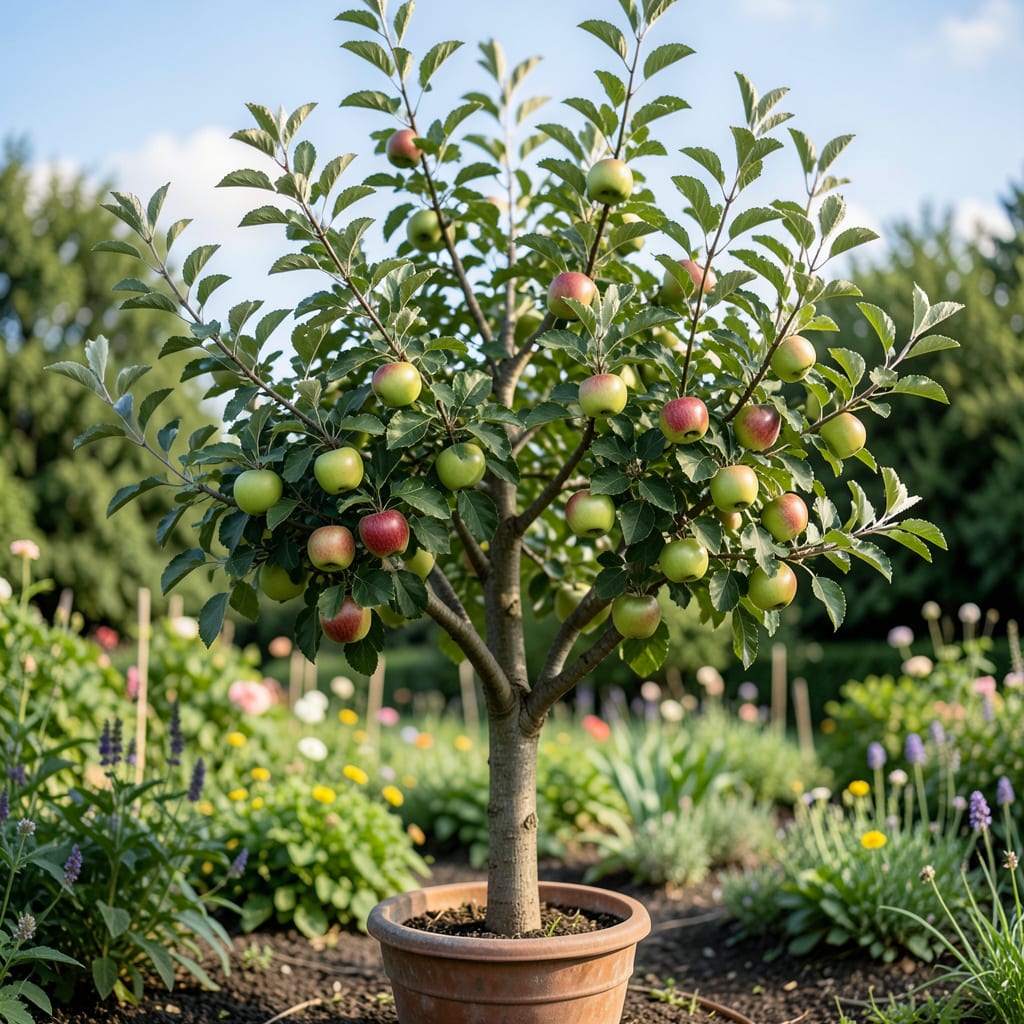
When planting an Apple Tree 🍎, understanding its growth potential is crucial for garden planning. Apple trees can grow to varying heights depending on factors like rootstock and variety.
In USDA zone 6a, you can expect different heights based on the tree type – from 8-12 feet for dwarf varieties to 20-25 feet for standard trees. Let’s explore what influences their growth and how to manage their height effectively.

Apple tree height is influenced by multiple factors that gardeners should consider when planting and maintaining their trees. The rootstock plays a crucial role in determining the ultimate height of the tree, with different rootstocks offering varying levels of vigor.
The variety of apple tree also significantly impacts its growth potential. Dwarf, semi-dwarf, and standard varieties have distinct height characteristics that need to be considered when planning your orchard or garden space 🌳.
The climate where your apple tree is growing significantly affects its height potential. Apple trees in USDA zone 6a experience specific growth patterns due to the local temperature and weather conditions.
Soil quality is another critical factor that influences apple tree growth. The availability of nutrients in the soil directly impacts the tree’s development and ultimate height.
Regular pruning practices not only control the height of the tree but also promote better fruit production. Proper pruning techniques help maintain a balanced structure while encouraging optimal growth.
Understanding these factors helps gardeners make informed decisions about which apple tree varieties to plant and how to manage their growth effectively 🌱.
Different apple tree varieties have unique growth characteristics that affect their mature height. Dwarf varieties typically grow between 8-12 feet, while semi-dwarf trees reach 12-18 feet. Standard apple trees can grow much taller, reaching heights of 20-25 feet or more.
The choice of variety directly impacts the tree’s growth potential and should be considered based on available garden space and desired maintenance level.
By understanding these growth factors, gardeners can better plan their orchard layout and maintenance strategies.
Proper management of these factors leads to healthier trees and better fruit production over time.
Regular monitoring of the tree’s growth helps identify any necessary adjustments to pruning or care practices.
Successful apple tree cultivation requires balancing natural growth patterns with maintenance needs.
Effective management of apple tree height is crucial for maintaining a healthy and productive orchard. Proper pruning techniques play a vital role in controlling tree height while promoting fruit production. Regular pruning helps maintain a balanced structure and encourages optimal growth patterns 🌳.
There are several pruning methods that gardeners can use to manage apple tree height. The choice of method depends on the desired tree shape and growth characteristics. Let’s explore some common techniques used for height management.
Maintains a single main trunk for structural integrity
Creates an open structure for better light penetration
Trains trees to grow flat against a support structure
Regular maintenance pruning is essential for controlling apple tree height. This includes removing dead or diseased branches, thinning crowded areas, and reducing excessive growth. Proper timing of pruning is critical, with most apple trees benefiting from dormant season pruning.
Summer pruning can also be effective for controlling vigorous growth and maintaining tree shape. However, it should be done judiciously to avoid stressing the tree. The combination of regular pruning and proper training helps maintain the desired tree height while promoting healthy growth.
When managing apple tree height, it’s also important to consider the tree’s natural growth habits. Some varieties naturally grow more upright, while others have a spreading habit. Understanding these characteristics helps in choosing the most appropriate pruning and training methods.
By implementing these height management strategies, gardeners can maintain productive trees that are well-suited to their garden space. Effective height control not only improves fruit accessibility but also enhances overall tree health and productivity.
Regular monitoring and adjustment of pruning practices ensure that the tree maintains its desired height while continuing to thrive.
When selecting an apple tree variety, understanding its mature height is crucial for proper garden planning. Different varieties offer distinct growth characteristics that affect their ultimate height 🌳.
The choice between dwarf, semi-dwarf, and standard apple tree varieties depends on available garden space and desired maintenance level. Let’s explore the typical height ranges for these categories.
Dwarf apple tree varieties are ideal for small gardens or container growing. They offer the advantage of easier maintenance and harvesting due to their compact size.
Semi-dwarf varieties provide a balance between size control and fruit production. They are suitable for medium-sized gardens where more space is available.
Standard apple trees are best suited for large orchards or open spaces. They require more maintenance but can produce abundant fruit over their lifespan.
Understanding these height variations helps gardeners choose the most appropriate variety for their specific needs and available space.
The mature height of an apple tree directly impacts its maintenance requirements and fruit accessibility. Proper variety selection ensures better long-term management of the tree.
By considering the expected height of different apple tree varieties, gardeners can make informed decisions that lead to healthier trees and more successful harvests.
Apple tree height varies significantly by variety. Dwarf trees typically grow between 8-12 feet, semi-dwarf trees reach 12-18 feet, and standard trees can grow 20-25 feet or more. The rootstock plays a crucial role in determining the ultimate height.
Regular pruning is essential for managing apple tree height. Techniques like central leader training, open center system, and espalier training help maintain desired heights while promoting fruit production. Pruning during the dormant season is most effective.
Yes, climate significantly impacts apple tree height. Apple trees in USDA zone 6a experience specific growth patterns due to local temperature and weather conditions. Understanding your climate helps in choosing the right variety and managing growth effectively.
Apple trees typically take 3-5 years to establish their basic structure and 5-10 years to reach their mature height. Growth rates vary based on factors like soil quality, pruning practices, and variety. Regular maintenance helps achieve optimal growth.
