
Beautiful Plants For Your Interior
Beautiful Plants For Your Interior
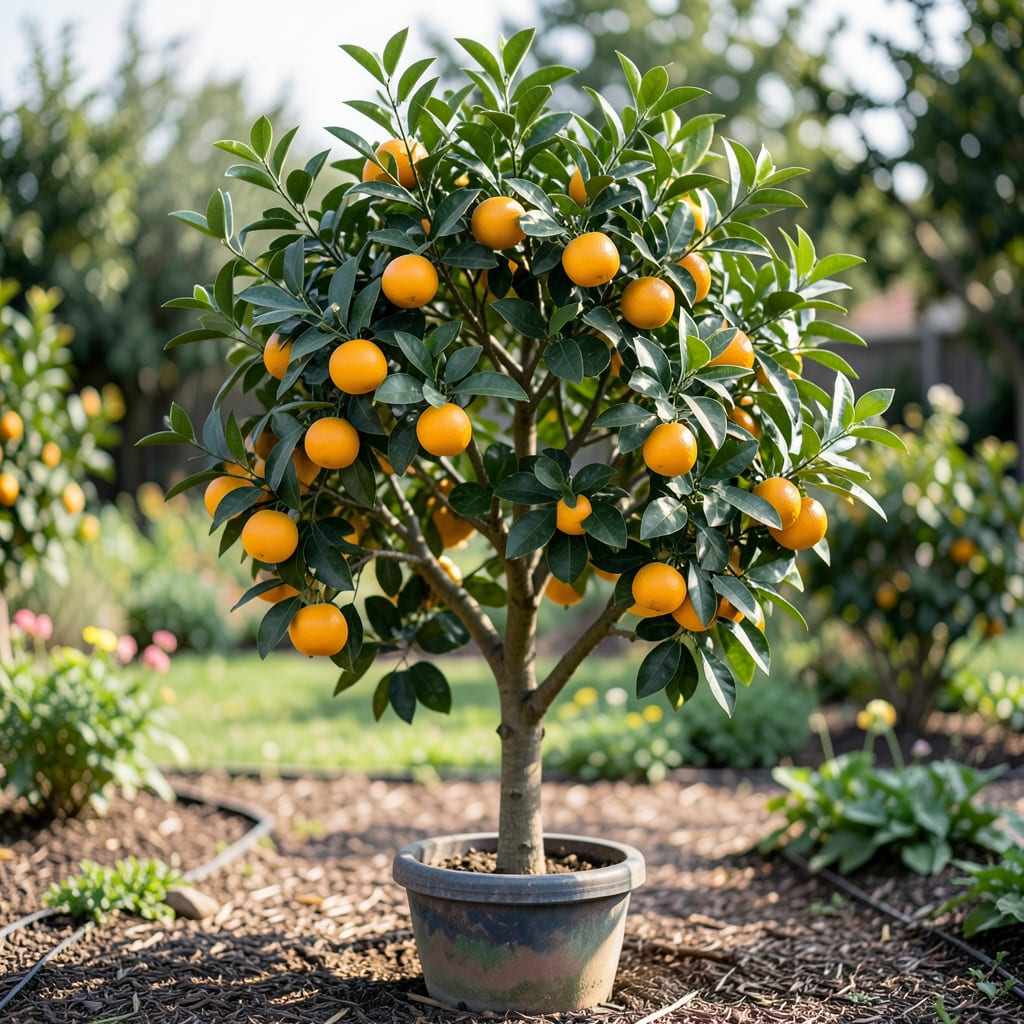
When I planted my first Orange Tree 🍊, I had no idea how tall it would grow. Understanding the growth potential of these beautiful trees is crucial for proper planning and care, especially in USDA zone 9b where they thrive.
Orange trees can reach varying heights depending on factors like rootstock and growing conditions. Let’s explore what you can expect and how to manage their growth for optimal fruit production.

When I first planted my Orange Tree 🍊, I was surprised by how many factors could affect its growth. The height of an orange tree isn’t just about the variety – multiple elements come into play.
The rootstock is one of the most critical factors influencing the mature height of an orange tree. Different rootstocks can control the tree’s vigor, with dwarfing rootstocks limiting growth to 8-12 feet, while standard rootstocks allow trees to reach 20-30 feet.
The variety of orange tree also plays a significant role in determining its height. Dwarf varieties naturally stay smaller, while standard varieties can grow much taller. For example, dwarf Washington oranges typically reach 8-10 feet, while standard Valencia oranges can grow up to 25 feet 🌳.
Climate conditions are another crucial factor. Orange trees in warmer climates, like USDA zone 9b, can grow larger due to longer growing seasons, while those in cooler areas may remain smaller.
Soil quality significantly impacts orange tree growth. Trees in well-draining, nutrient-rich soil with proper pH balance will generally grow healthier and taller than those in poor soil conditions. Regular soil testing can help maintain optimal growing conditions 🌿.
Understanding these factors helps gardeners make informed decisions about tree care and management. By controlling these elements, you can optimize your orange tree’s growth and fruit production.
Proper care and management can help you achieve the best possible growth for your orange tree. Regular maintenance, including pruning and fertilization, will support healthy development and maximize fruit production 📈.
For gardeners with limited space, understanding the potential size of an orange tree is crucial for planning. Choosing the right variety and rootstock can help manage the tree’s height while still enjoying delicious fruit 🍊.
The mature height of an orange tree affects not just its placement in the garden but also its overall health and productivity. Proper planning and care ensure that your tree thrives and produces fruit for years to come.
By considering these factors and taking appropriate measures, you can successfully grow a healthy and productive orange tree that fits your garden’s needs.
When it comes to managing the height of an orange tree, I’ve found that regular maintenance is key. Proper care not only controls the tree’s size but also enhances its overall health and fruit production 🌳.
One of the most effective ways to manage orange tree height is through pruning techniques. Pruning helps maintain a balanced structure, promotes healthy growth, and can significantly impact the tree’s size. By removing dead or diseased branches, you improve air circulation and allow more sunlight to reach the fruit-bearing branches 🌟.
Start by removing any branches that are dead, diseased, or damaged. This improves the tree’s overall health and appearance.
Selectively remove branches from the center of the tree to improve air circulation and allow more sunlight to penetrate.
Prune the tree to maintain its desired shape and size. Focus on cutting back vigorous growth and maintaining a balanced structure.
In addition to pruning, training methods can also help manage orange tree height. Techniques such as espaliering or using a trellis can guide the tree’s growth and keep it more compact. These methods are particularly useful for gardeners with limited space or those growing trees in containers 📦.
Regular maintenance practices are essential for controlling tree height. This includes monitoring the tree’s growth, adjusting pruning schedules as needed, and ensuring the tree receives adequate nutrients and water. By staying on top of these tasks, you can keep your orange tree healthy and productive for years to come 🌟.
For gardeners looking to maximize fruit production, managing the tree’s height can also improve sunlight exposure and air circulation around the fruit. This can lead to better fruit quality and higher yields. Proper height management is a crucial aspect of overall tree care 🍊.
By implementing these strategies, you can effectively manage your orange tree’s height and enjoy a bountiful harvest. Whether you’re growing a dwarf variety or a standard tree, careful management will help you achieve the best results 🌼.
Regular pruning and training not only control the tree’s size but also contribute to its overall health. By maintaining a balanced structure, you reduce the risk of disease and pests, ensuring your tree remains vigorous and productive 📈.
Understanding the importance of height management and implementing these practices will help you grow a thriving orange tree that fits your garden’s needs perfectly.
When selecting an orange tree variety, understanding the mature height is crucial for proper garden planning. Different varieties offer different growth characteristics that can significantly impact your gardening experience 🍊.
For gardeners with limited space, dwarf varieties are an excellent choice. These trees typically grow between 8-12 feet tall, making them perfect for containers or small gardens. Popular dwarf varieties include the Dwarf Washington and Dwarf Valencia oranges 🌳.
For those with more space available, semi-dwarf and standard varieties offer greater fruit production while still being manageable. Semi-dwarf trees typically reach 12-18 feet, while standard trees can grow up to 20-30 feet tall 🌲.
When choosing a variety, consider factors like available space, desired maintenance level, and fruit production needs. Dwarf varieties require less pruning and are easier to manage, while standard varieties may need more regular maintenance 📈.
The right variety will depend on your specific gardening needs and constraints. By understanding the growth habits of different orange tree varieties, you can make an informed decision that suits your garden perfectly 🌼.
For container gardening, dwarf varieties are particularly suitable due to their compact size. They can thrive in large pots with proper care, making them a versatile option for various gardening setups 📦.
Ultimately, selecting the right orange tree variety involves balancing your space limitations with your desired fruit yield. By choosing appropriately, you ensure a healthy and productive tree that meets your needs 🍊.
Most orange trees typically grow between 15-30 feet tall when fully mature. The exact height depends on factors like the specific variety and rootstock used. Dwarf varieties usually stay between 8-12 feet while standard trees can reach up to 20-30 feet. Proper care and maintenance can help manage their growth effectively .
Orange trees generally grow at a moderate rate. In their first year, they typically reach 3 feet tall, growing to 6 feet by the second year and 10 feet by the third year. Growth rates can vary based on factors like soil quality, climate, and care practices. Regular watering and fertilization support healthy development .
Yes, you can manage the height of your orange tree through regular pruning techniques and proper training methods. Pruning helps maintain a balanced structure and can keep the tree at a desired height. Techniques like espaliering or using a trellis can also guide the tree’s growth, making it suitable for smaller spaces or container gardening .
Yes, the size of the container can influence the growth of an orange tree. Trees grown in larger containers have more room for root development, which can support more vigorous growth. However, even in larger containers, dwarf varieties will still remain more compact than standard varieties. Proper container size helps maintain the tree’s overall health and productivity .
