
Beautiful Plants For Your Interior
Beautiful Plants For Your Interior
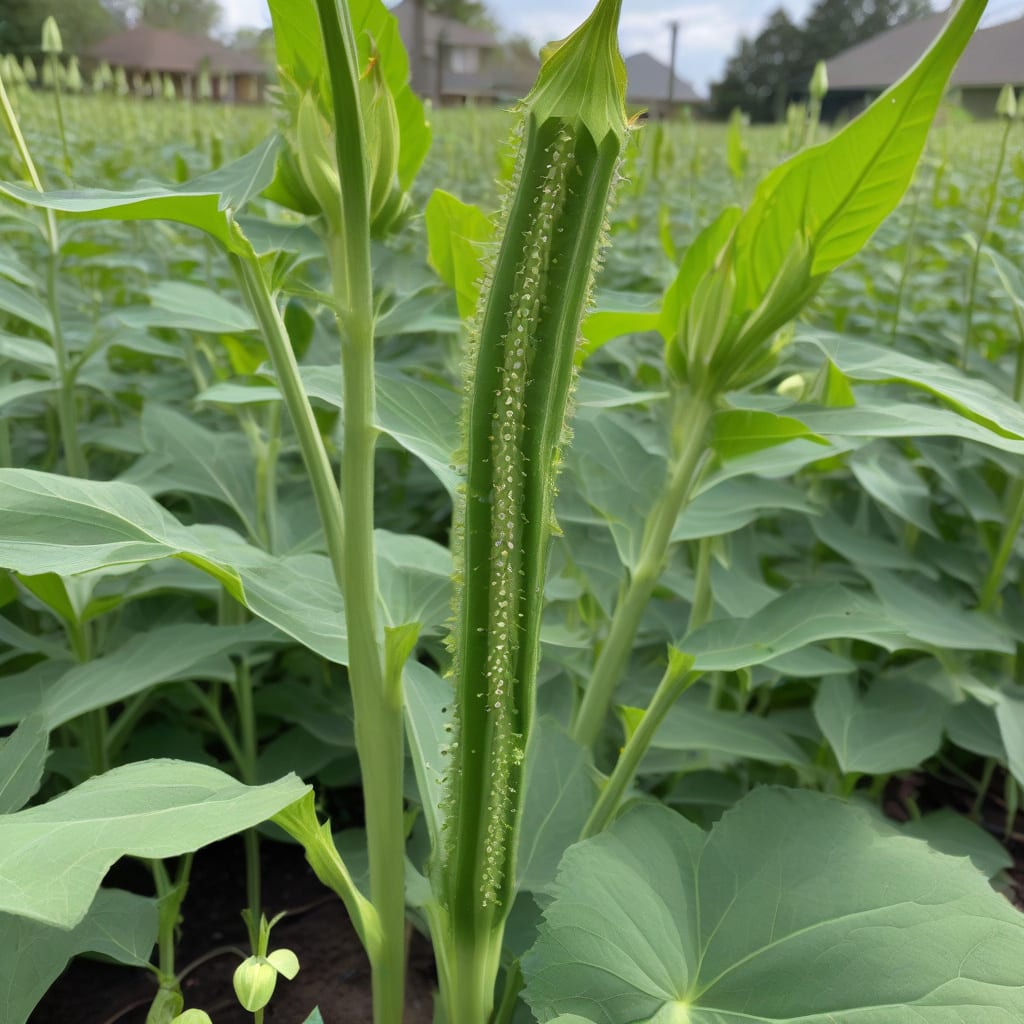
I’ve always been fascinated by the versatility of okra plants 🌽 – they’re not just a tasty addition to many dishes, but they can also grow quite tall. Understanding their growth potential is key to making the most of these beautiful plants in your garden.
Okra plants can reach impressive heights, typically growing between 3 to 6 feet tall, depending on the variety and growing conditions. In USDA zone 6, where I garden, I’ve seen them thrive when given the right support and care during the summer months.
Ideal Time
Also Good
Okra plants are known for their impressive height, which can range from 3 to 6 feet tall, depending on the variety and growing conditions. As a gardener, understanding these height expectations is crucial for planning and supporting your okra plants effectively 🌽.
The height of okra plants can vary significantly based on factors such as soil quality, sunlight, watering, and spacing. Generally, okra plants prefer well-draining soil and full sun, which can contribute to their overall height and health.
Okra plants typically grow between 3 to 6 feet tall, with some varieties reaching heights of up to 6 feet or more under ideal conditions. The average height for most okra varieties is around 4 to 5 feet, making them a essential additions to any garden.
When growing okra, it’s essential to consider the specific variety, as some are bred to be more compact while others are designed for maximum height. Understanding these characteristics can help gardeners choose the right okra variety for their space and provide appropriate support as needed 🌱.
The growth habit of okra plants is typically upright, with a main stem that can grow quite tall. As the plant matures, it may require staking or other forms of support to prevent lodging, especially in windy conditions or when laden with pods.
Okra plants are warm-season crops that thrive in USDA zones 6 and above. They require full sun and well-draining soil to reach their full height potential. Gardeners should be aware that okra plants are sensitive to frost, so they should be planted after the last frost date in their area.
In terms of care, okra plants benefit from regular watering and fertilization. A balanced fertilizer applied every 3-4 weeks can support healthy growth and maximize height. Additionally, okra plants prefer consistent moisture, especially when they’re producing pods.
By understanding the height expectations of okra plants and providing the right growing conditions, gardeners can enjoy a bountiful harvest of delicious okra pods throughout the growing season 🌽.
I’ve found that several key factors influence the height and overall growth of okra plants in my garden. Understanding these elements is crucial for optimizing okra cultivation 🌽.
The height of okra plants can be significantly affected by soil quality, with well-draining, nutrient-rich soil promoting healthier and taller plants. Okra plants also require full sun to reach their maximum height potential, making sunlight exposure a critical factor 🌻.
Proper soil preparation, adequate sunlight, and consistent watering are essential for maximizing okra plant height and overall health.
Watering practices also play a crucial role in okra plant growth. Consistent moisture, especially during pod production, supports healthy development. I’ve observed that okra plants receiving 1-2 inches of water every 3-4 days tend to grow more robustly.
Spacing is another important consideration. Okra plants generally require 12-18 inches between each plant to allow for proper air circulation and sunlight penetration, which can impact their overall height and health.
In my experience, okra plants benefit from regular fertilization with a balanced fertilizer (10-10-10 NPK) applied every 3-4 weeks. This practice supports vigorous growth and maximizes height potential.
By focusing on these critical factors – soil quality, sunlight, watering, spacing, and fertilization – gardeners can create optimal conditions for their okra plants to thrive and reach their expected height range of 3 to 6 feet 🌼.
Understanding and managing these factors effectively is key to successful okra cultivation and maximizing both plant height and yield.
To maximize okra plant growth and reach their full height potential, I’ve found that several expert tips are particularly effective. First, pruning plays a crucial role in promoting healthy growth and maximizing yield 🌿.
Choose disease-resistant varieties suitable for your climate zone.
Ensure well-draining soil with pH between 6.0-7.5 and add organic matter.
Stake tall varieties to prevent lodging and promote upright growth.
Another critical factor is fertilization. Okra plants benefit from regular feeding with a balanced fertilizer (10-10-10 NPK) applied every 3-4 weeks. This practice supports vigorous growth and maximizes height potential 🌻.
Pest management is also essential for maximizing okra plant growth. Regular monitoring for pests like aphids, whiteflies, and caterpillars can help prevent damage and ensure healthy development.
By implementing these expert tips – starting with quality seeds, optimizing soil conditions, providing adequate support, fertilizing regularly, and managing pests effectively – gardeners can create optimal conditions for their okra plants to thrive and reach their expected height range of 3 to 6 feet 🌼.
Understanding and applying these practical strategies is key to successful okra cultivation and maximizing both plant height and yield.
