
Beautiful Plants For Your Interior
Beautiful Plants For Your Interior
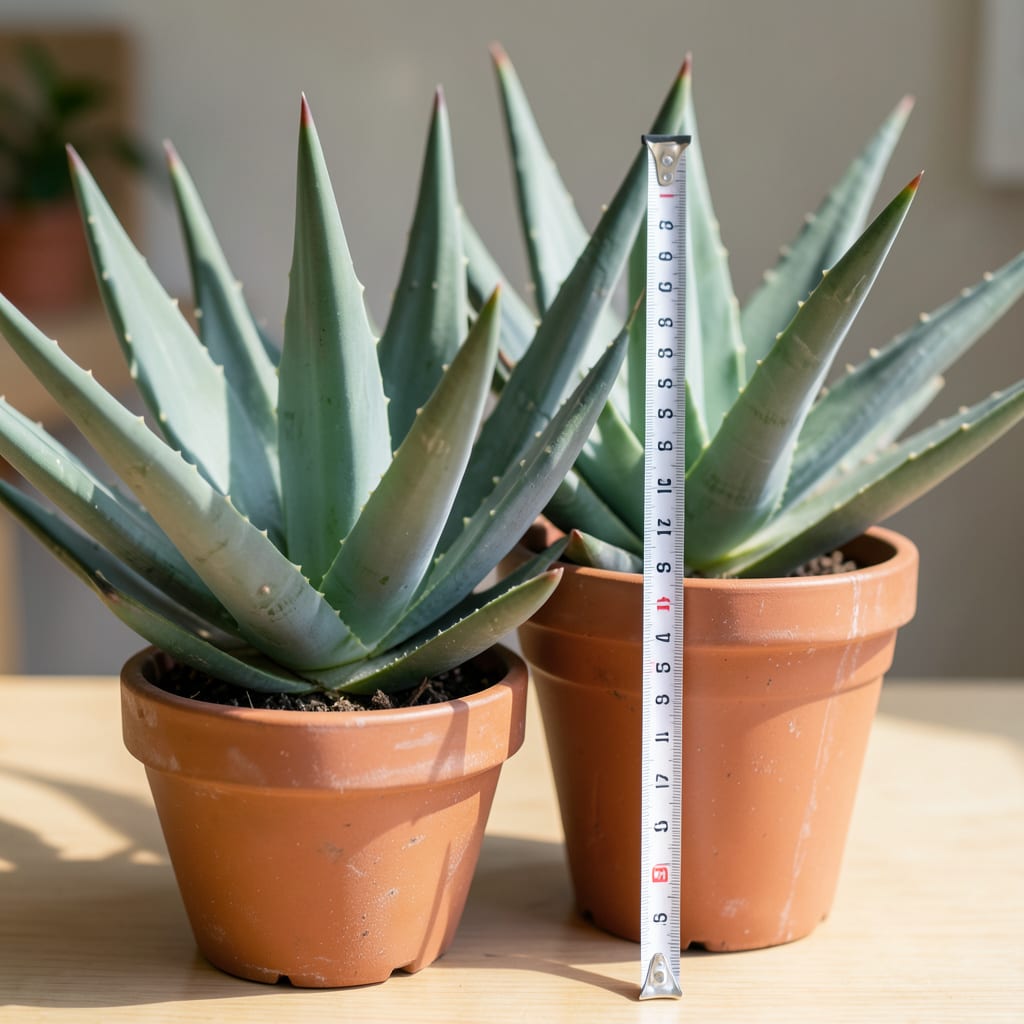
When growing Aloe Vera 🌿, understanding its height potential is crucial for planning your space. In ideal conditions, these succulents can grow quite tall, but their height varies based on care and environment.
Let’s explore how tall Aloe Vera can grow and what factors influence their maximum height, helping you create the perfect conditions for your plants to thrive in USDA Zone 6a.

The height of Aloe Vera plants is influenced by various environmental and care factors. Understanding these factors is crucial for promoting healthy growth and achieving the maximum height potential of your plants.
Light, watering, and soil conditions play significant roles in determining how tall your Aloe Vera will grow. Let’s examine these factors in detail to help you create optimal growing conditions.
By understanding and controlling these factors, you can create an optimal environment for your Aloe Vera to grow tall and healthy. 🌱
Light exposure is particularly critical as it directly affects photosynthesis and overall plant vigor. In regions with intense sunlight, providing some afternoon shade can prevent leaf scorch.
The watering schedule should be adjusted according to the season. During summer months, Aloe Vera may require more frequent watering, while in winter, it needs less water due to its dormant state.
Soil quality is another vital factor. A well-draining potting mix prevents water from accumulating around the roots, reducing the risk of root rot.
Temperature control is also essential. While Aloe Vera is relatively hardy, it thrives best in warm, frost-free conditions. Protect your plants from frost and extreme temperature fluctuations.
Finally, fertilization during the growing season provides necessary nutrients for robust growth. Use a diluted, balanced fertilizer to avoid burning the roots.
By carefully managing these factors, you can ensure your Aloe Vera reaches its full height potential and remains healthy. 🌿
Aloe Vera plants are known for their impressive growth potential, reaching heights that make them a striking addition to any garden or indoor space. Understanding their maximum height helps in planning and care.
The typical height range for mature Aloe Vera plants is between 1 to 3 feet, with some specimens growing even taller under ideal conditions. Let’s explore what you can expect as these plants grow over time.
Aloe Vera typically grows to about 0.5 feet in its first year, establishing a strong root system.
By the second year, Aloe Vera can grow up to 1 foot, showing significant improvement in size and leaf thickness.
At maturity, Aloe Vera plants can reach heights of 2 to 3 feet, making them a substantial presence in any setting.
Factors such as light exposure, watering, and soil quality significantly influence the growth rate and maximum height of Aloe Vera. Ensuring optimal conditions can help your plants achieve their full potential 🌿.
Aloe Vera plants generally grow taller when they receive adequate sunlight and are watered appropriately. Overwatering can lead to root rot, while underwatering can stunt growth.
The soil quality also plays a crucial role. A well-draining potting mix is essential to prevent waterlogging and root rot, allowing the plant to grow healthily.
By understanding these growth patterns and factors, you can better care for your Aloe Vera and enjoy their impressive height 🌻.
Regular monitoring of your plant’s growth and adjusting care practices accordingly can help maintain its health and maximize its height potential.
With proper care, Aloe Vera can become a beautiful and thriving part of your garden or indoor space, providing both aesthetic appeal and medicinal benefits.
Maintaining the ideal height of your Aloe Vera plants involves more than just understanding their growth potential. It requires regular pruning and proper ongoing care to keep them healthy and thriving.
Remove any dead or damaged leaves to maintain plant health and encourage new growth 🌱.
Pruning is essential for controlling the height and promoting the overall health of your Aloe Vera. By removing dead or damaged leaves, you not only maintain the plant’s appearance but also prevent the spread of disease.
Regular inspection of your Aloe Vera plants is crucial. Check for any signs of overgrowth or damage, and prune accordingly to maintain the desired height and shape.
Proper watering practices also play a significant role in managing Aloe Vera height. Ensure you water your plants every 2-3 weeks, adjusting the frequency based on the season and environmental conditions.
Soil quality and fertilization are additional factors to consider. Use a well-draining potting mix and fertilize sparingly during the growing season to support healthy growth without causing excessive height.
By combining pruning with proper care, you can effectively manage the height of your Aloe Vera plants, ensuring they remain a beautiful and functional part of your garden or indoor space 🌿.
Consistent care and attention to your Aloe Vera will help you achieve the best results, keeping your plants healthy and at the desired height.
Mature Aloe Vera plants typically grow between 1 to 3 feet tall, with some specimens reaching even taller heights under ideal conditions. Proper care and environmental factors contribute to their maximum height potential. With optimal conditions, they can become a striking addition to any garden or indoor space .
Aloe Vera plants usually take about 3 years to reach their mature height. In their first year, they grow to about 0.5 feet, and by the second year, they can reach up to 1 foot. Regular care and optimal conditions support their growth over time .
Yes, pruning is essential for controlling the height and promoting the overall health of your Aloe Vera. Removing dead or damaged leaves maintains the plant’s appearance and prevents disease spread. Regular inspection and pruning help maintain the desired height and shape .
Light exposure, watering, and soil quality significantly influence Aloe Vera growth. Adequate sunlight and appropriate watering promote healthy growth, while well-draining soil prevents waterlogging and root rot. Proper care ensures optimal growth conditions .
