
Beautiful Plants For Your Interior
Beautiful Plants For Your Interior
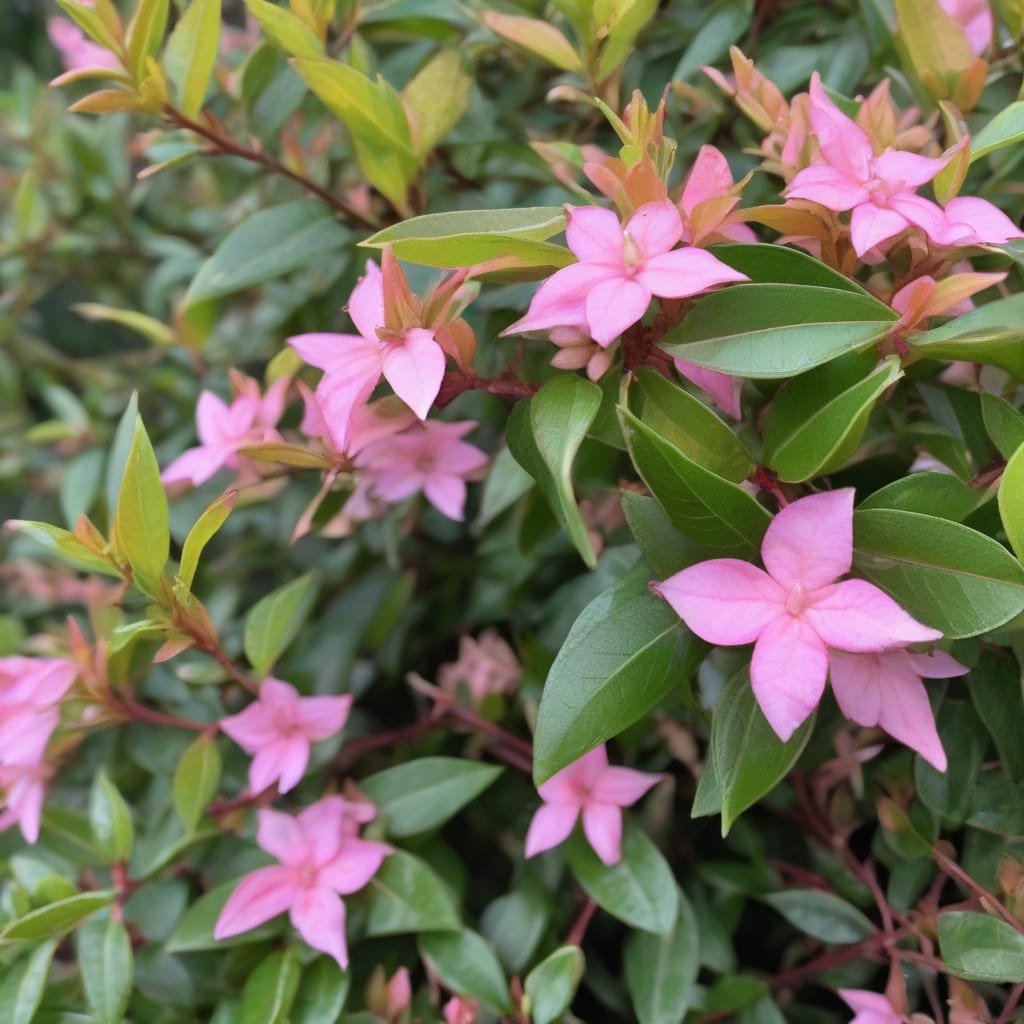
When planning your garden, understanding the mature size of your plants is crucial. Abelia 🌺, a popular landscaping shrub, typically grows between 3 to 6 feet tall, depending on the variety and growing conditions.
Factors such as soil quality, sunlight, and pruning practices can influence Abelia’s ultimate height. In USDA Zone 6, where Abelia thrives, proper care can help you achieve the desired size for your landscape.


Understanding the factors that influence Abelia’s growth height is crucial for gardeners who want to achieve the desired size for their landscape. The ultimate height of Abelia depends on several key factors, including variety, growing conditions, and maintenance practices. By controlling these factors, gardeners can optimize Abelia’s growth and achieve the desired height 🌺.
By understanding these factors, gardeners can make informed decisions about planting and caring for Abelia. Whether you’re looking to create a compact hedge or a specimen shrub, knowing how these factors influence Abelia’s growth height is essential for achieving your landscape goals 🌿.
The specific growing conditions in your area, such as USDA Zone and local climate, also play a significant role in determining Abelia’s ultimate height. In general, Abelia thrives in USDA Zone 6, where it can grow to its full potential with proper care.
In addition to variety and growing conditions, maintenance practices such as fertilization and pruning can significantly impact Abelia’s growth height. Regular fertilization with a balanced fertilizer can promote healthy growth, while pruning helps maintain the desired shape and size.
It’s also important to consider the age of the plant when evaluating its growth height. Young Abelia plants typically take a few years to reach their mature size, with most varieties achieving their full height within 3 to 5 years after planting 🌱.
By combining the right variety with optimal growing conditions and proper maintenance, gardeners can enjoy a thriving Abelia shrub that meets their landscape needs. Whether you’re looking for a low-maintenance option or a statement piece, Abelia is a versatile choice that can adapt to various garden styles 🌼.
For gardeners in colder climates, it’s essential to choose Abelia varieties that are cold-hardy and suitable for their specific USDA Zone. This ensures that the plant can withstand local winter conditions and continue to thrive.
In summary, the height of Abelia is influenced by a combination of factors, including variety, growing conditions, and maintenance practices. By understanding and controlling these factors, gardeners can achieve the desired height for their Abelia shrubs and enjoy their beautiful foliage and flowers for years to come 🌺.
Abelia comes in various cultivars, each with its own growth characteristics. The height of Abelia can vary significantly depending on the specific variety 🌺.
Understanding the different types of Abelia and their average height ranges is essential for gardeners to make informed decisions about their landscape.
The dwarf varieties of Abelia are perfect for small gardens or container gardening, as they remain relatively small in size. These compact plants can thrive in limited spaces and require less maintenance 🌿.
Compact Abelia varieties offer a slightly taller growth habit, making them suitable for hedges or borders in gardens. They provide a neat and tidy appearance while still being relatively low-maintenance 🌻.
Standard Abelia varieties are the most common type and can grow to be 4-6 feet tall. They offer a balanced size that works well for various landscaping needs, from specimen shrubs to mass plantings 🌼.
When selecting an Abelia variety, it’s essential to consider the mature size of the plant to ensure it fits well in your garden design. Proper planning can help you achieve the desired landscape effect 🌱.
By understanding the average height ranges for different Abelia varieties, gardeners can make informed decisions about which type to plant in their gardens. This knowledge helps in creating a well-planned and visually appealing landscape 🌺.
In conclusion, the height of Abelia varies by variety, ranging from compact dwarf types to larger standard varieties. Choosing the right variety based on your garden’s needs and space constraints is crucial for successful landscaping 🌻.
Pruning is a crucial maintenance practice for controlling Abelia’s size and promoting healthy growth. By pruning your Abelia regularly, you can maintain the desired height and shape, while also encouraging bushy growth and enhancing flowering 🌺.
Prune your Abelia in late winter or early spring, before new growth begins. This timing helps minimize stress on the plant and promotes healthy growth.
Remove any dead or damaged branches to maintain the plant’s appearance and prevent disease. Cut back to healthy tissue using clean, sharp pruning tools.
Shape your Abelia by cutting back overgrown branches to the desired length. Make clean cuts just above a bud or lateral branch to promote new growth.
Regular pruning not only controls Abelia’s size but also promotes a dense, bushy growth habit and enhances its overall appearance 🌿.
By following these pruning techniques, you can maintain your Abelia’s size and enjoy its beautiful foliage and flowers for years to come 🌼.
Pruning is an essential part of Abelia care, and with the right techniques, you can keep your plant looking its best 🌱.
In summary, pruning is a simple yet effective way to control Abelia’s size and promote healthy growth. By pruning regularly and using the right techniques, you can enjoy a thriving Abelia shrub in your garden 🌺.
