
Beautiful Plants For Your Interior
Beautiful Plants For Your Interior
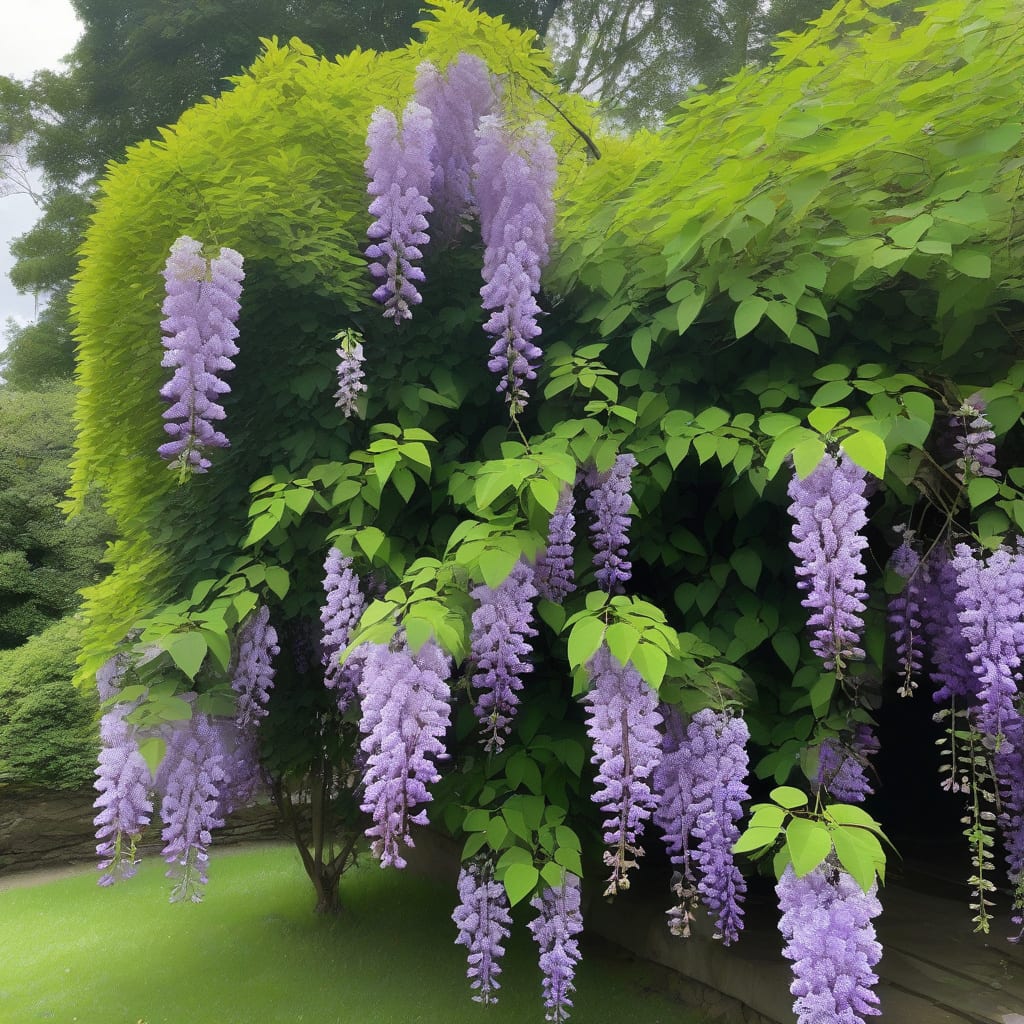
Wisteria’s cascading beauty can transform any garden, but have you ever wondered just how tall it can grow? 🌺 These vigorous climbers can reach impressive heights, creating stunning displays that captivate anyone who sees them.
Understanding wisteria’s growth potential is crucial for proper planning and maintenance in USDA Zone 6. Let’s explore what you can expect from these magnificent plants and how to manage their growth effectively.

Wisteria plants are known for their vigorous growth and impressive mature heights. Typically, these climbing vines can grow between 15 to 30 feet tall, with some varieties reaching even greater heights when properly supported.
The maximum height potential of wisteria is influenced by several factors including the specific variety, growing conditions, and maintenance practices. Let’s explore these factors in more detail to understand how tall your wisteria can grow 🌺.
Wisteria’s growth pattern is characterized by its twining stems that can reach significant heights when provided with appropriate support structures. The plant’s mature height is typically achieved within 10 to 20 years of proper care and maintenance.
Several factors contribute to wisteria’s height potential, including soil quality, sunlight exposure, and pruning practices. Wisteria plants grown in optimal conditions with full sun and well-draining soil tend to reach their maximum height potential more effectively.
The specific variety of wisteria also plays a crucial role in determining its mature height. Some cultivars are naturally more compact, while others are known for their exceptional vigor and ability to reach greater heights.
Proper support is essential for wisteria to reach its full height potential. Without adequate support, the plant may not be able to grow as tall as it otherwise could. Common support structures include trellises, pergolas, and walls.
Understanding these factors helps gardeners plan for the long-term growth of their wisteria plants and create appropriate support systems to accommodate their mature size.
Wisteria’s height management requires ongoing care, including regular pruning to control its vigorous growth and maintain its desired shape. Proper pruning techniques will be discussed in subsequent sections.
The combination of proper care, suitable growing conditions, and appropriate support allows wisteria plants to achieve their impressive height potential while creating stunning garden displays.
Regular monitoring of the plant’s growth and adjustment of support structures as needed are crucial for managing wisteria’s height effectively over time.
By understanding wisteria’s growth characteristics and implementing appropriate care strategies, gardeners can successfully cultivate these beautiful climbing vines to their maximum height potential.
Wisteria’s height potential is influenced by multiple factors that gardeners can control to achieve optimal growth. Understanding these elements helps in creating the ideal conditions for these magnificent climbing vines to thrive and reach their maximum height 🌺.
Several key factors contribute to wisteria’s vertical development, including soil quality, sunlight exposure, pruning practices, and variety selection. Let’s examine these factors more closely to understand their impact on wisteria’s height.
The combination of these factors determines how tall a wisteria tree will ultimately grow. Gardeners can optimize these elements to create ideal growing conditions for their wisteria plants.
For instance, wisteria plants grown in optimal conditions with full sun and well-draining soil tend to reach their maximum height potential more effectively. Regular pruning is also crucial as it controls the plant’s vigorous growth and encourages upward development.
The specific variety of wisteria also plays a significant role in determining its mature height. Some cultivars are naturally more compact, while others are known for their exceptional vigor and ability to reach greater heights.
By understanding and managing these factors, gardeners can help their wisteria plants achieve their full height potential while maintaining overall plant health.
Proper care and maintenance are essential for wisteria to reach its maximum height. This includes providing appropriate support structures like trellises, pergolas, or walls to accommodate the plant’s mature size.
Regular monitoring of the plant’s growth and adjustment of support structures as needed are crucial for managing wisteria’s height effectively over time. By implementing these strategies, gardeners can successfully cultivate wisteria to its full height potential 🌿.
Managing wisteria’s height requires a combination of proper pruning techniques and effective training methods. Regular pruning is essential to control the plant’s vigorous growth and maintain its desired shape 🌺.
To manage wisteria’s height effectively, gardeners should focus on pruning and training techniques that encourage upward growth while controlling overall size.
Prune twice yearly: once in late winter and again after flowering
Use appropriate support structures like trellises or pergolas
Regularly check and adjust support structures as needed
By implementing these pruning and training strategies, gardeners can effectively manage wisteria’s height while maintaining the plant’s overall health and beauty 🌿.
Proper pruning techniques involve cutting back long shoots and removing any dead or damaged growth. This not only controls the plant’s size but also encourages healthy growth and abundant flowering.
Training wisteria vines requires patience and regular maintenance. Gardeners should gently guide the vines along their support structures, securing them as needed to promote upward growth.
Regular monitoring of the plant’s growth allows gardeners to make timely adjustments to pruning and training practices, ensuring that wisteria remains healthy and well-maintained.
