
Beautiful Plants For Your Interior
Beautiful Plants For Your Interior
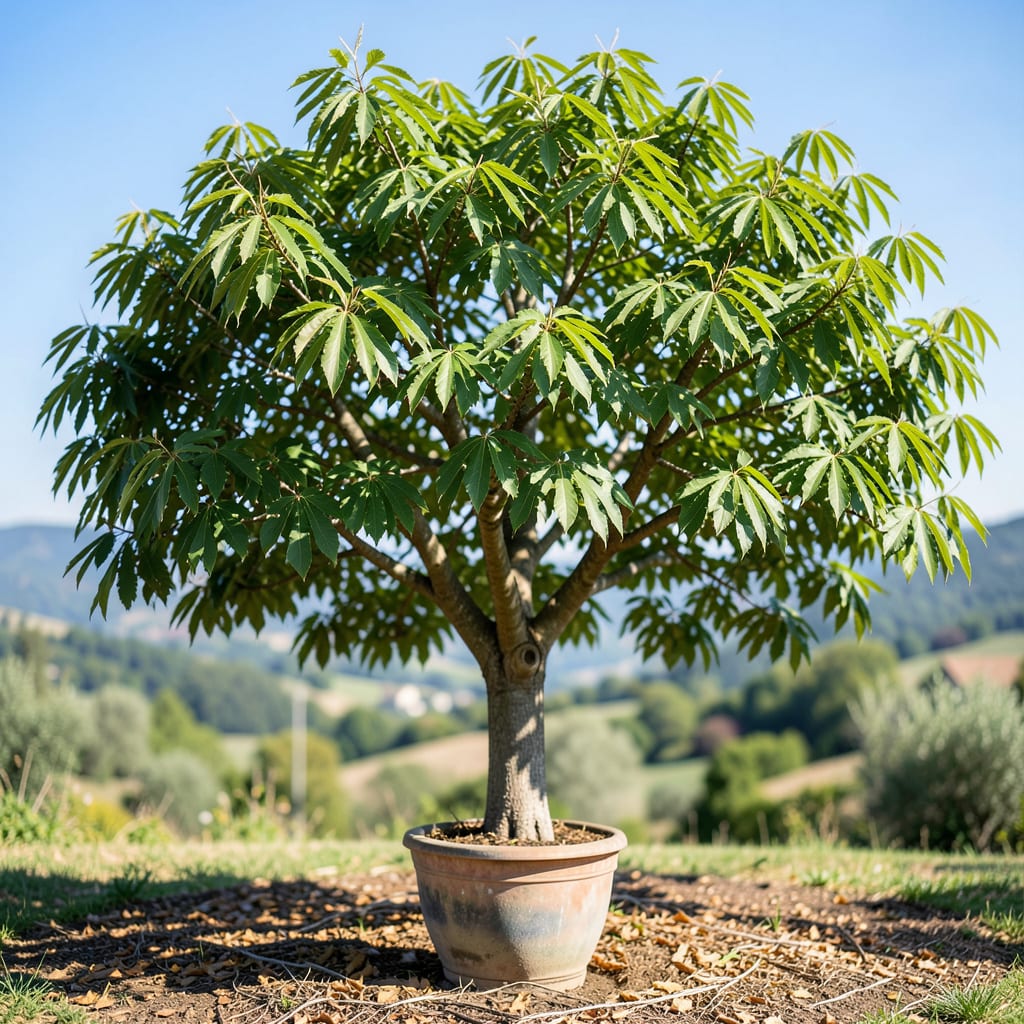
As I stand under the majestic canopy of a mature 🌰 Walnut Tree, I’m struck by their impressive stature. These trees can grow to be quite tall, with some varieties reaching heights of 60 feet or more in ideal conditions.
Understanding how tall a Walnut Tree can grow is crucial for gardeners and landscapers in USDA Zone 6, where these trees thrive. Let’s explore the factors that influence their height and what you can expect from your tree.


When considering how tall a walnut tree can grow, it’s essential to understand the various factors that influence their height. Climate conditions, soil quality, and tree variety all play significant roles in determining the mature height of these magnificent trees 🌳.
The ideal climate for walnut trees includes full sun and adequate moisture, particularly during the growing season. In regions with ample rainfall and mild winters, walnut trees tend to thrive and reach their maximum height potential 🌟.
Soil quality is another critical factor, as walnut trees prefer well-draining, fertile soil with a pH between 6.0 and 7.0. Soil that is too dense or lacks essential nutrients can limit root development and overall tree height 🌿.
The tree variety also significantly impacts the potential height of a walnut tree. Black walnut trees (Juglans nigra) are known to grow taller than English walnut (Juglans regia) trees, with some specimens reaching heights of over 100 feet in ideal conditions 🌲.
Understanding these factors is crucial for gardeners and landscapers to make informed decisions about planting and caring for walnut trees. By providing optimal growing conditions, you can help your walnut tree reach its full height potential and enjoy its beauty and bounty for years to come 🌳.
In USDA Zone 6, where walnut trees are well-suited, gardeners can expect healthy growth and robust development with proper care. Regular watering, fertilization, and pruning are essential practices to support the tree’s overall health and maximize its height 🌿.
Walnut trees are not only valued for their height but also for their nut production and aesthetic appeal. By understanding the factors that influence their growth, you can better appreciate these magnificent trees and enjoy their many benefits 🌰.
As we explore the growth habits of walnut trees further, it’s clear that their height is just one aspect of their overall majesty. Proper care and maintenance are key to ensuring that your walnut tree remains healthy and thrives for generations to come 🌳.
In conclusion, the height of a walnut tree is influenced by a combination of climate, soil, and genetic factors. By providing the right conditions and care, you can help your walnut tree reach its full potential and enjoy its many rewards 🌟.
For more specific guidance on caring for your walnut tree, including tips on pruning and maintenance, continue reading the next section of our comprehensive guide 📚.
When exploring how tall a walnut tree can grow, it’s essential to consider the different varieties and their unique growth characteristics. Black walnut and English walnut trees are two of the most common types, each with distinct height potential 🌳.
The average height of walnut trees varies significantly between species. Understanding these differences is crucial for gardeners and landscapers to plan their landscape effectively 📚.
Black walnut trees are known for their impressive height, often growing taller than English walnut trees. The maximum height potential of these trees is influenced by factors such as soil quality, climate conditions, and available space for root development 🌲.
In ideal conditions, with full sun and well-draining soil, walnut trees can reach their maximum height potential. However, factors like disease, pests, and environmental stress can impact their growth 🌱.
For gardeners and landscapers, understanding the average and maximum height of different walnut tree types is crucial for planning and maintenance. By selecting the right variety for your space and providing optimal care, you can enjoy the beauty and benefits of these magnificent trees 🌳.
The height of walnut trees also affects their nut production and overall health. Proper pruning and maintenance are essential to ensure that your walnut tree remains healthy and thrives for years to come 🌟.
As we continue to explore the growth habits of walnut trees, it’s clear that their height is just one aspect of their overall majesty. By understanding and appreciating these characteristics, you can better care for your trees and enjoy their many rewards 🌰.
When it comes to managing walnut tree height, pruning is a crucial technique to control the tree’s size while promoting healthy growth and maximizing nut production 🌳.
Regular pruning helps maintain the tree’s shape, removes dead or diseased branches, and allows more sunlight to penetrate the canopy, which is essential for fruit production 🌟.
Prune your walnut tree during its dormant season to minimize stress and promote healthy growth 🌱.
The best time to prune walnut trees is during their dormant season, typically in late winter or early spring, before new growth begins 📆.
When pruning, focus on removing dead, diseased, or damaged branches, as well as any branches that are crossing or rubbing against each other 🌿.
Thinning out the canopy can also help improve air circulation and reduce the risk of disease, while reducing the tree’s height can make harvesting easier and more manageable 🌰.
By managing your walnut tree’s height through regular pruning and maintenance, you can enjoy a bountiful harvest and a beautiful, healthy tree for years to come 🌟.
Walnut trees can grow to varying heights depending on the species. On average, they can reach 50-75 feet tall, with some varieties like black walnut growing up to 100 feet in ideal conditions .
Walnut trees typically take 20-50 years to reach their mature height, depending on factors like climate, soil quality, and genetics. Proper care and maintenance can support healthy growth and maximize height potential .
Yes, regular pruning can help manage the height of your walnut tree while promoting healthy growth and maximizing nut production. Prune during the dormant season to minimize stress and promote healthy growth .
Black walnut trees tend to grow taller than English walnut trees. Black walnuts can reach heights of 50-100 feet, while English walnuts typically grow to 40-80 feet .
