
Beautiful Plants For Your Interior
Beautiful Plants For Your Interior
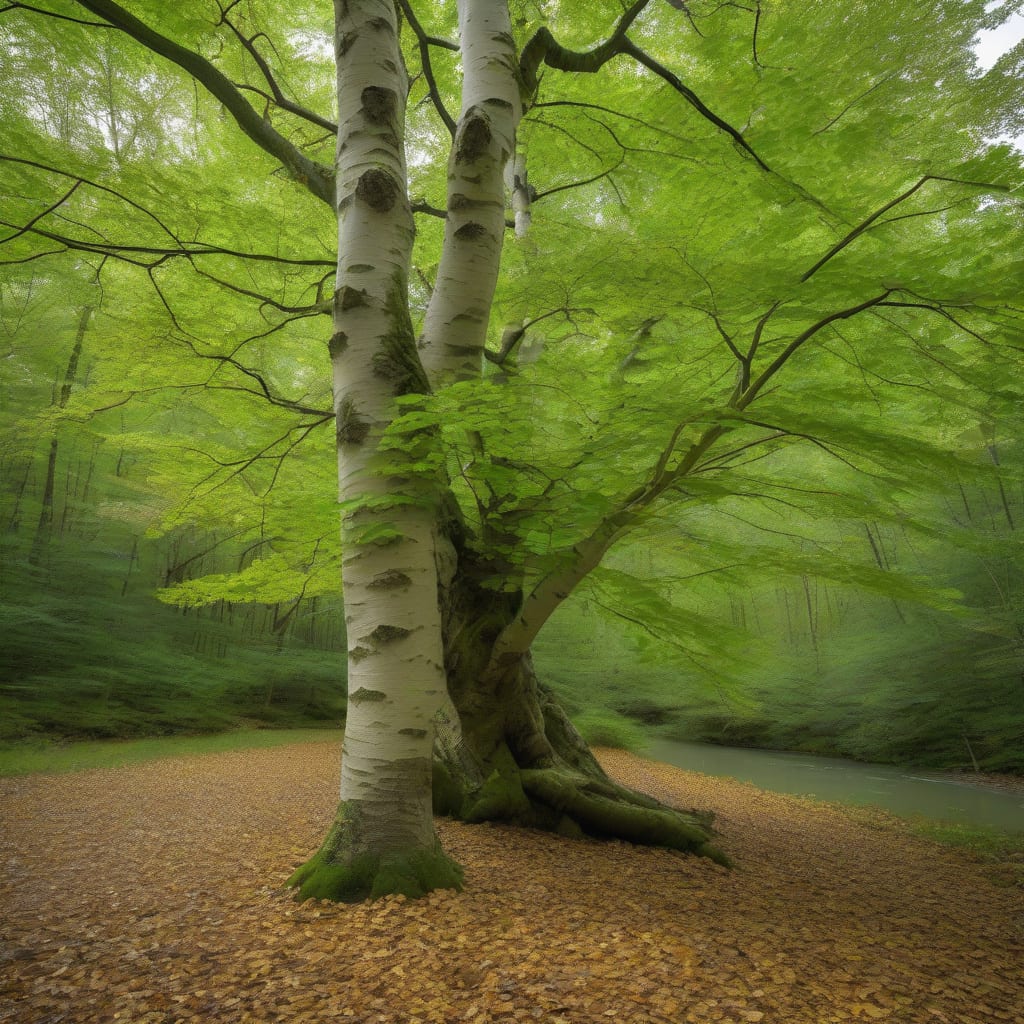
I’ve always been fascinated by the majestic River Birch 🌳, with its stunning white bark and graceful canopy. Understanding how tall these trees can grow is essential for proper landscape planning, especially when considering their mature size.
River Birch trees can reach heights of 40 to 80 feet, making them a significant presence in any landscape. Let’s explore the factors that influence their growth and how to care for them to promote healthy development.

I’ve found that several factors influence the height growth of River Birch trees. Environmental conditions play a significant role, with factors like soil quality, moisture levels, and sunlight exposure affecting their development. River Birch trees thrive in wet environments with full sun to partial shade, which can impact their overall height 🌳.
Genetic factors also contribute to the height of River Birch trees. Some trees are naturally more vigorous and can grow taller than others. Understanding these factors is crucial for gardeners and landscapers to make informed decisions about planting and caring for River Birch trees.
The USDA hardiness zone is another critical factor, as River Birch trees are hardy in zones 3-9. This wide range of adaptability allows them to thrive in various climates, from cold winters to warm summers.
Watering practices during the first year of planting are crucial. Regular watering helps establish a strong root system, which is essential for the tree’s long-term health and height potential.
By considering these factors, gardeners can create an optimal environment for their River Birch trees to grow and reach their full potential height 🌿.
Soil preparation is also vital, as River Birch trees prefer slightly acidic to neutral soil pH. Proper soil conditions can significantly impact the tree’s growth rate and overall height.
Understanding the growth rate of River Birch trees is essential for planning. They typically grow 3-5 feet per year when young, slowing down as they mature.
Pruning practices can also affect the height of River Birch trees. Regular pruning can help maintain a desired height and promote a healthy, balanced structure.
By combining these factors and providing optimal care, gardeners can help their River Birch trees achieve their maximum height potential and enjoy their beautiful canopy for years to come 🌻.
The mature size of River Birch trees makes them an excellent choice for landscapes where a tall, graceful tree is desired. Their stunning white bark adds visual interest throughout the seasons.
In summary, the height growth of River Birch trees is influenced by a combination of environmental and genetic factors. By understanding and managing these factors, gardeners can promote healthy growth and optimal height in their River Birch trees 🌱.
River Birch trees are known for their impressive height, typically growing between 40 to 80 feet tall. This height range makes them a significant presence in any landscape 🌳.
The average height of a mature River Birch tree is around 50 to 60 feet, with some exceptional specimens reaching heights of 80 feet or more under ideal conditions. Factors such as soil quality, moisture levels, and sunlight exposure can all impact the ultimate height of these trees.
Most River Birch trees grow between 40 to 80 feet tall, with an average mature height of 50 to 60 feet.
Soil quality, moisture levels, and sunlight exposure all play a role in determining the maximum height of River Birch trees.
Some River Birch trees can reach heights of 80 feet or more under ideal growing conditions.
Understanding the typical and maximum height of River Birch trees is essential for landscape planning and ensuring these trees have enough space to grow 🌲.
By considering the factors that influence their height, gardeners can create an optimal environment for their River Birch trees to thrive and reach their full potential height 🌿.
The height of River Birch trees also makes them an excellent choice for landscapes where a tall, graceful tree is desired, providing shade and visual interest throughout the seasons 🌻.
In summary, River Birch trees can grow to be quite tall, with a typical height range of 40 to 80 feet and an average mature height of 50 to 60 feet. By understanding the factors that influence their height, gardeners can promote healthy growth and optimal height in these beautiful trees 🌱.
I’ve found that managing the height of River Birch trees requires a combination of proper pruning techniques and ongoing care. Regular pruning helps maintain a desired height while promoting a healthy, balanced structure 🌳.
Prune your River Birch tree during the dormant season to maintain desired height and promote healthy growth.
To effectively manage the height of your River Birch, focus on removing lower branches to create a clear trunk and thinning out the canopy to allow more sunlight to filter through. This approach not only helps control height but also enhances the tree’s natural beauty 🌲.
Pruning techniques play a crucial role in height management. Make clean cuts just outside the branch collar to promote healing and reduce the risk of disease. Avoid over-pruning, as this can stress the tree and lead to weak growth or disease susceptibility 🌿.
In addition to pruning, proper care practices contribute to maintaining a healthy River Birch tree. Ensure your tree receives adequate water, especially during its first year, and fertilize annually with a balanced fertilizer to support vigorous growth.
By combining regular pruning with proper care, you can effectively manage the height of your River Birch tree while promoting its overall health and longevity 🌻.
Regular maintenance also includes monitoring for signs of disease or pests, which can impact the tree’s growth and height. Keep an eye out for common issues like bronze birch borer or leaf spot diseases, and address them promptly to prevent damage 🌟.
In summary, managing River Birch height through pruning and care requires attention to detail and a commitment to regular maintenance. By following these guidelines, you can enjoy a healthy, well-managed tree that adds beauty and value to your landscape 🌱.
