
Beautiful Plants For Your Interior
Beautiful Plants For Your Interior
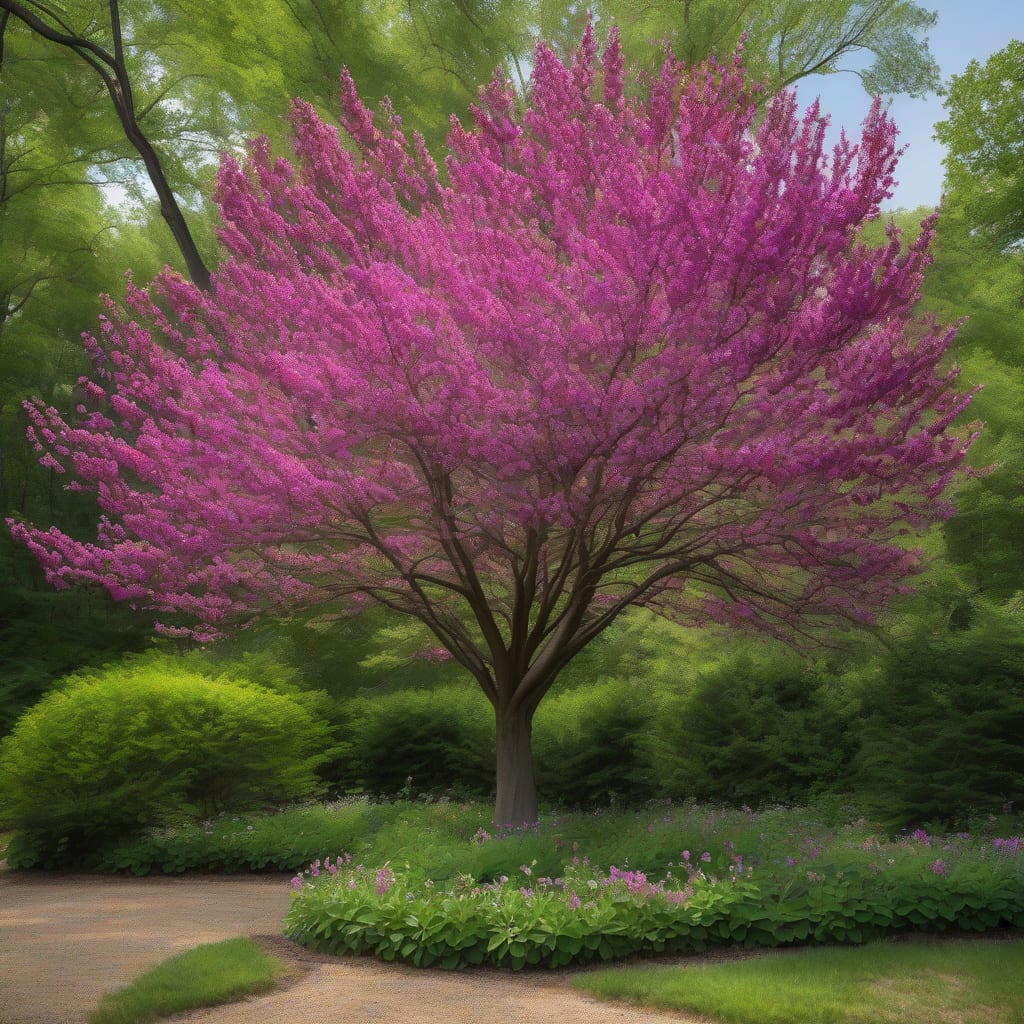
When planning your garden, understanding the growth potential of your Redbud Tree 🌳 is crucial. These beautiful trees are known for their stunning spring flowers and can add significant visual interest to any landscape.
Redbud Trees typically grow between 15-30 feet tall, making them a great choice for smaller spaces while still providing impressive height. Let’s explore what affects their growth and how to maintain their health.


Redbud trees are known for their stunning pink or purple flowers that bloom in early spring. Understanding their growth potential is crucial for proper garden planning. The height of a redbud tree can vary based on several factors including species, soil quality, and environmental conditions.
On average, redbud trees typically grow between 15-30 feet tall. Some species can reach heights of up to 40 feet under ideal conditions. Let’s explore the different factors that influence their growth.
The height of a redbud tree is influenced by various factors including soil quality, sunlight exposure, and watering conditions. Trees grown in optimal conditions with well-draining soil and full sun tend to reach their maximum potential height. Proper care and maintenance also play a crucial role in ensuring healthy growth.
Redbud trees are generally considered medium-sized trees, making them suitable for a variety of landscaping needs. They can be used as specimen trees, in group plantings, or as part of a naturalized landscape trees.
Understanding the average and maximum height of redbud trees helps in planning your garden layout effectively. It’s also important to consider the tree’s growth rate and how different environmental factors can impact its development.
By providing optimal growing conditions and proper care, you can help your redbud tree reach its full potential height while maintaining its health and structural integrity.
Redbud trees are known for their adaptability to various soil types and environmental conditions. However, they generally perform best in well-draining soil with adequate moisture and full sun to partial shade.
The growth rate of redbud trees is typically moderate, with most trees growing 1-2 feet per year. This growth rate can be influenced by factors such as soil fertility, watering practices, and pruning techniques.
To maximize the height potential of your redbud tree, ensure it receives adequate sunlight and maintain proper watering practices. Regular pruning can also help in shaping the tree and promoting healthy growth.
It’s worth noting that while redbud trees can grow quite tall, they are generally not prone to becoming too large for most residential landscapes. Their mature size can be managed with appropriate pruning and maintenance.
Overall, understanding the height expectations of redbud trees allows for better planning and care. By providing the right conditions and maintenance, you can enjoy the beauty of these trees in your landscape for years to come 🌳.
Several factors influence the growth height of redbud trees, including environmental conditions and care practices. Understanding these factors is essential for maximizing the tree’s potential height and maintaining its overall health 🌳.
The height of a redbud tree can be significantly affected by soil quality and moisture levels. Trees grown in well-draining soil with adequate moisture tend to grow taller and healthier.
Environmental factors such as climate and soil fertility also play a crucial role in determining the height of redbud trees. Trees grown in favorable climates with adequate nutrients tend to reach their maximum height potential.
Proper care practices, including regular watering and fertilization, can significantly impact the growth height of redbud trees. Ensuring the tree receives adequate nutrients and moisture supports healthy growth and development.
By understanding and managing these factors, you can help your redbud tree achieve its full growth potential while maintaining its health and structural integrity.
Redbud trees are generally adaptable to various conditions, but optimal care can make a significant difference in their growth height and overall health 🌟.
To manage the height of your redbud tree effectively, it’s essential to understand the importance of proper care and maintenance. Regular pruning is a crucial aspect of controlling the tree’s height while promoting healthy growth 🌳.
Prune your redbud tree during its dormant season to maintain shape and promote healthy growth. Remove dead or damaged branches to prevent disease and encourage new growth.
Pruning should be done during the tree’s dormant season, typically in late winter or early spring. This helps in maintaining the tree’s shape and promoting healthy growth by removing dead or damaged branches.
Regular watering and fertilization are also vital for maintaining the health and structural integrity of your redbud tree. Ensure the tree receives adequate nutrients and moisture to support its growth.
By following these care practices, you can effectively manage the height of your redbud tree while ensuring it remains healthy and thrives in your landscape 🌟.
Redbud trees generally respond well to proper pruning techniques, which can help control their height and maintain their natural shape. It’s also important to monitor the tree’s growth and adjust your care practices accordingly.
Overall, managing the height of your redbud tree requires a combination of regular maintenance and attentive care. By understanding and implementing these practices, you can enjoy the beauty of your redbud tree for years to come.
