
Beautiful Plants For Your Interior
Beautiful Plants For Your Interior
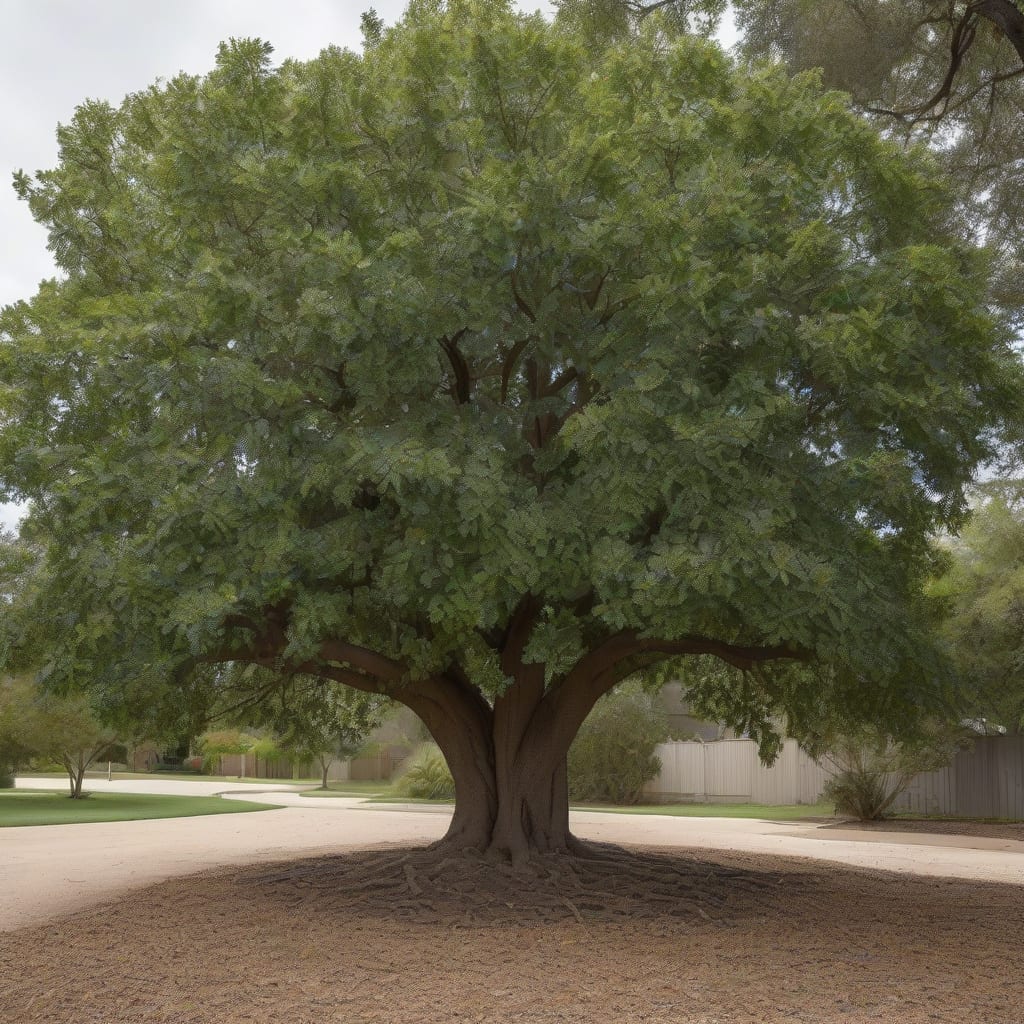
I’ve always been fascinated by the majestic 🌳 Pecan Tree, known for its impressive size and longevity. Growing up to 100 feet tall in ideal conditions, these trees can be a stunning addition to large landscapes.
If you’re considering planting a Pecan Tree in USDA Zone 6, understanding its growth potential is crucial for proper planning and care. Let’s explore the factors that influence their height and how to promote optimal growth.


Pecan trees are known for their impressive size, with mature trees reaching heights of 70 to 100 feet. Several factors influence how tall a pecan tree will grow, including genetics, climate, soil quality, and maintenance practices 🌳.
The genetic makeup of a pecan tree plays a significant role in determining its maximum height. Some cultivars are naturally more vigorous and will grow taller than others. For example, ‘Desirable’ and ‘Elliot’ are known for their strong growth habits.
The climate where a pecan tree is grown significantly impacts its height. Trees grown in warmer climates with long growing seasons tend to reach their maximum height more quickly than those in cooler regions. Pecan trees thrive in USDA zones 6-9.
Soil quality is another critical factor. Pecan trees prefer deep, well-draining soil rich in nutrients. Soil that is too shallow or poorly drained can limit a tree’s growth potential. Regular soil testing can help ensure optimal nutrient levels 🌿.
Proper maintenance, including regular watering, fertilization, and pruning, is essential for promoting healthy growth. Young pecan trees should be watered regularly during their first few years to establish a strong root system 💧.
Fertilization should be based on soil test results, typically using a balanced fertilizer (10-10-10 NPK) during the growing season. Pruning helps maintain the tree’s structure and promotes fruiting.
In ideal conditions, with proper care and maintenance, pecan trees can achieve their maximum genetic potential for height. Understanding these factors helps growers make informed decisions about planting and caring for their pecan trees 🌱.
Regular monitoring of the tree’s health and adjusting care practices accordingly can help maximize its growth potential. This includes watching for signs of nutrient deficiencies or pest issues.
By combining good genetics with optimal growing conditions and proper care, pecan trees can reach impressive heights and provide bountiful harvests for years to come 🌳.
It’s worth noting that while height is an important consideration, other factors like nut production and overall tree health are also crucial for successful pecan cultivation.
Growers should consult local experts and extension services for region-specific advice on growing pecan trees to their full potential.
Pecan trees are known for their impressive size, with mature trees typically reaching heights of 70 to 100 feet. The average height of a mature pecan tree is around 80 feet, but this can vary depending on the cultivar and growing conditions 🌳.
Some pecan tree cultivars are naturally more vigorous and can grow taller than others. For example, ‘Desirable’ and ‘Elliot’ are known for their strong growth habits and can reach heights of over 100 feet in ideal conditions.
Mature pecan trees usually grow between 70 to 100 feet tall, with an average height of around 80 feet.
Some pecan tree cultivars can reach heights of over 100 feet in ideal growing conditions.
Genetics, climate, soil quality, and maintenance practices all play a role in determining the height of a mature pecan tree 🌟.
The height of a pecan tree is influenced by various factors, including genetics, climate, soil quality, and maintenance practices. Understanding these factors can help growers make informed decisions about planting and caring for their pecan trees 🌱.
In ideal conditions, with proper care and maintenance, pecan trees can achieve their maximum genetic potential for height. Regular monitoring of the tree’s health and adjusting care practices accordingly can help maximize its growth potential.
Pecan trees grown in warmer climates with long growing seasons tend to reach their maximum height more quickly than those in cooler regions. Pecan trees thrive in USDA zones 6-9.
By combining good genetics with optimal growing conditions and proper care, pecan trees can reach impressive heights and provide bountiful harvests for years to come 🌳.
When growing pecan trees in smaller spaces, managing their size becomes crucial. While standard pecan trees can grow up to 100 feet tall, there are techniques to control their height 🌳.
One effective method is to choose dwarf or semi-dwarf varieties. These trees are bred to be more compact, reaching heights of 15-40 feet, making them ideal for smaller landscapes.
Regular pruning during the dormant season can help control tree height and promote a stronger structure.
Regular pruning is another key technique for managing pecan tree size. Prune during the dormant season to remove dead or diseased branches and to shape the tree 🌱.
For those who prefer a more natural approach, consider using rootstock that is known to control tree size. This method can be effective but requires careful selection and planning.
By combining these techniques, you can successfully grow pecan trees even in smaller spaces, enjoying their beauty and bounty without overwhelming your landscape 🌟.
It’s also worth noting that regular maintenance, including monitoring for pests and diseases, will help keep your pecan tree healthy and thriving.
With proper care and management, pecan trees can be a wonderful addition to any landscape, regardless of size.
