
Beautiful Plants For Your Interior
Beautiful Plants For Your Interior
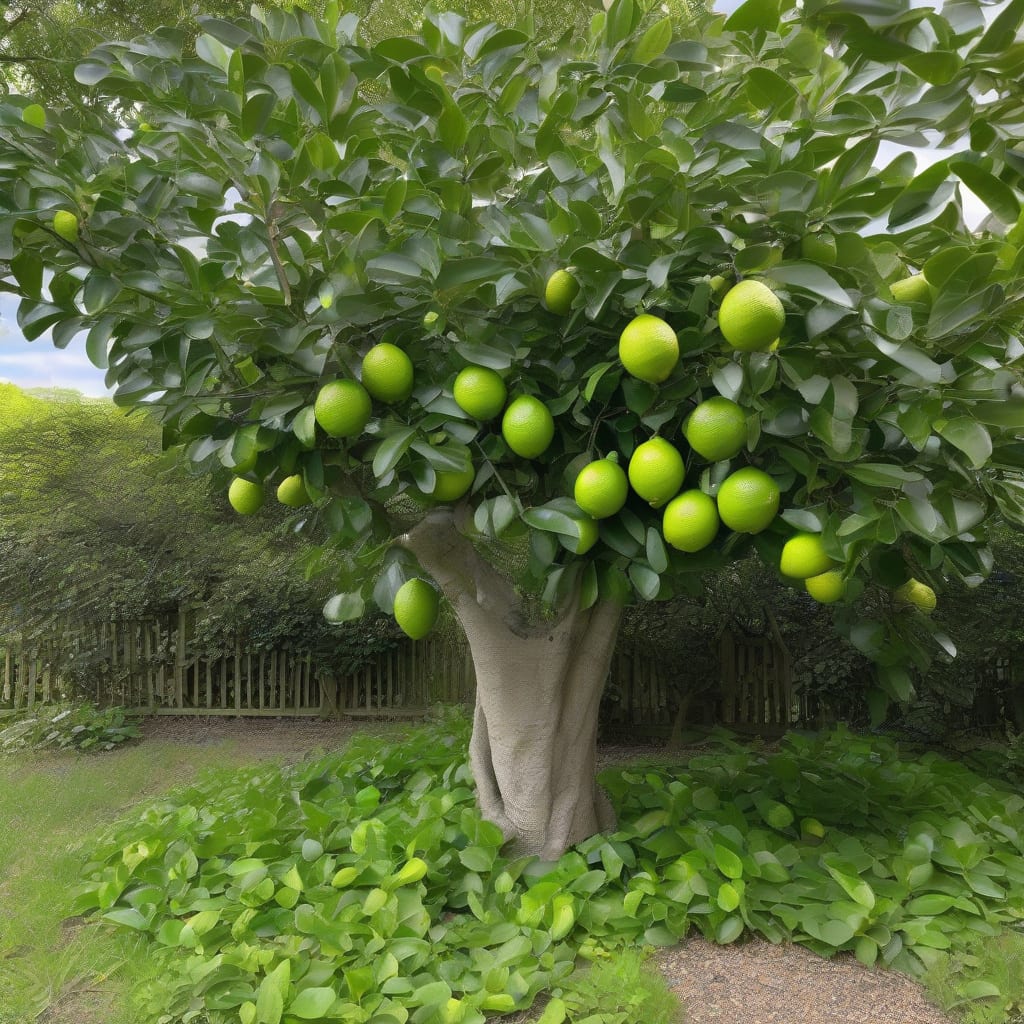
Growing a Lime Tree 🍋 can be a rewarding experience, but understanding its growth patterns is crucial for successful cultivation. In USDA Zone 9b, you can expect your tree to thrive in the right conditions.
The height of a Lime Tree varies depending on factors like soil quality and pruning techniques. With proper care, a standard Lime Tree can grow between 15-20 feet tall, while dwarf varieties typically reach 8-12 feet.


Understanding the factors that influence the height of a lime tree is crucial for gardeners who want to optimize their tree’s growth. Several key elements play a significant role in determining how tall a lime tree will grow.
The climate is one of the most critical factors affecting lime tree height. Lime trees thrive in warm, subtropical climates with adequate sunlight and moderate humidity. In regions with frost-free winters, lime trees can grow more vigorously, reaching their maximum potential height 🌱.
The soil quality is another vital factor that affects lime tree height. Trees grown in well-draining, fertile soil with a pH between 6.0 and 7.0 tend to grow more robustly. Poor soil conditions can limit root development, ultimately affecting the tree’s overall height 🌿.
Watering practices also play a crucial role in determining lime tree height. Consistent moisture, especially during the tree’s early years, encourages healthy growth. However, overwatering can lead to root rot and stunt the tree’s growth 💧.
In addition of organic matter like compost can improve soil structure and fertility, benefiting the tree’s overall health. Regular soil testing can also help identify nutrient deficiencies that may impact the tree’s height 🌱.
The variety of lime tree also significantly influences its mature height. Dwarf varieties are bred to remain smaller, typically growing between 8-12 feet tall, making them ideal for container gardening or small spaces. In contrast, standard lime trees can reach heights of 15-20 feet when given ample space to grow 🌳.
Pruning practices are essential for managing lime tree height. Regular pruning not only helps maintain a desired height but also promotes fruit production and overall tree health. Pruning during the dormant season is generally recommended to minimize stress on the tree ✂️.
By understanding and managing these factors, gardeners can optimize their lime tree’s growth and enjoy a bountiful harvest. Whether you’re growing a dwarf or standard variety, proper care and attention will help your lime tree thrive 🌟.
For more detailed information on caring for lime trees, including tips on fertilization and pest management, be sure to explore additional resources. With the right knowledge and techniques, you can enjoy the many benefits of growing your own lime tree 🌿.
Pruning is a crucial technique for managing the height of lime trees while maintaining their health and productivity. By pruning your lime tree effectively, you can control its height and encourage fruit production 🌳.
The best time to prune a lime tree is during its dormant season, typically in late winter or early spring. This period allows the tree to heal quickly and minimizes the risk of disease or pest infestation ✂️.
Start by removing any dead, diseased, or damaged branches. This helps prevent the spread of disease and encourages healthy growth.
Thin out the center of the tree to allow better air circulation and sunlight penetration. This promotes healthy growth and fruit production.
To control the height, cut back the tallest branches to a lateral bud or a lateral branch. This encourages the tree to grow outward rather than upward.
Regular pruning not only helps maintain a desired height but also promotes overall tree health and fruit production. By following these pruning techniques, you can enjoy a bountiful harvest from your lime tree 🌟.
For more detailed information on pruning and caring for lime trees, be sure to explore additional resources. With the right knowledge and techniques, you can keep your lime tree healthy and thriving 🌿.
I recommend pruning your lime tree annually to maintain its shape and promote healthy growth. By doing so, you’ll be able to enjoy a healthy and productive tree for years to come 🌳.
Proper pruning techniques can make a significant difference in the overall health and productivity of your lime tree. By following these steps, you can ensure your tree remains healthy and fruitful 🌱.
When it comes to growing lime trees, one of the key decisions gardeners face is whether to plant them in containers or directly in the ground. Both methods have their advantages and disadvantages, particularly when it comes to managing the tree’s height 🌳.
Lime trees grown in containers can be more easily managed in terms of height. Containers restrict root growth, which in turn can limit the overall height of the tree. This makes container-grown lime trees ideal for small spaces or urban gardens where space is limited 🌿.
On the other hand, lime trees planted directly in the ground have more room for root expansion, which can lead to more vigorous growth and potentially greater heights. Ground-planted trees can reach their full height potential, making them suitable for larger gardens or orchards 🌳.
However, ground-planted lime trees require more space and can be more challenging to manage in terms of height. Regular pruning becomes essential to keep the tree at a manageable size and to promote fruit production ✂️.
In conclusion, the choice between container and ground planting for lime trees depends on your specific gardening needs and constraints. Both methods can be effective, and understanding their implications on tree height is crucial for successful cultivation 🌟.
By considering factors such as space availability and desired tree size, you can make an informed decision that suits your gardening goals. Whether you choose container or ground planting, proper care and maintenance will ensure your lime tree thrives 🌱.
