
Beautiful Plants For Your Interior
Beautiful Plants For Your Interior
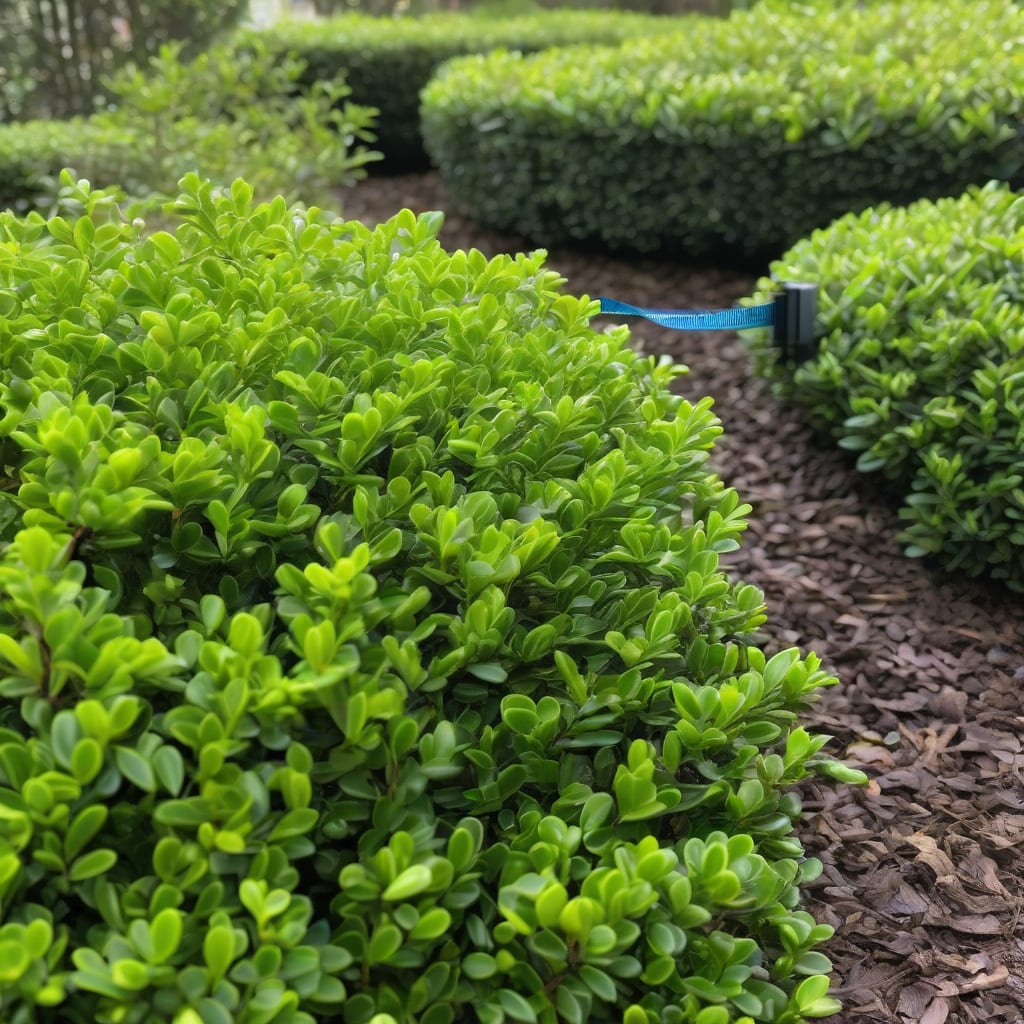
When planning your garden, understanding the growth potential of Japanese Boxwood 🌿 is crucial. This versatile shrub can grow between 4-6 feet tall, making it perfect for hedges and topiaries.
Factors like soil quality, sunlight, and pruning practices influence its mature height. I’ll guide you through what affects Japanese Boxwood’s growth and how to maintain your desired height.

Japanese boxwood is a versatile shrub that can grow between 4-6 feet tall, making it perfect for hedges and topiaries. Its growth is influenced by several factors including soil quality, sunlight, watering, and pruning practices 🌿.
To understand how tall Japanese boxwood can grow, we need to consider its natural growth habits and how different conditions affect its height. Proper care and maintenance play a crucial role in achieving the desired height and shape.
The height of Japanese boxwood is significantly influenced by soil quality. It thrives in well-draining soil that is rich in organic matter. Poor soil conditions can limit its growth, while optimal conditions can help it reach its full potential.
Sunlight exposure is another critical factor. Japanese boxwood prefers partial shade, especially in warmer climates, to prevent scorching. However, it can tolerate full sun if properly cared for. The amount of sunlight it receives can affect its density and height 🌟.
Watering practices also play a vital role. Consistent moisture is key, but the soil should not be waterlogged. Proper watering helps maintain healthy growth and prevents issues like root rot.
Pruning is essential for maintaining the desired height and shape of Japanese boxwood. Regular pruning encourages dense growth and helps control its height. Pruning should be done carefully to avoid damaging the plant.
By understanding these growth patterns and factors, gardeners can better plan and maintain their Japanese boxwood hedges or topiaries. Proper care ensures that the shrub remains healthy and achieves the desired height.
For more specific guidance on maintaining Japanese boxwood, including detailed pruning techniques and tips on optimal care, continue reading the next sections.
Japanese boxwood’s adaptability to different environments makes it a popular choice among gardeners. Its ability to thrive in various conditions, with proper care, allows for a wide range of creative gardening possibilities 🌿.
Whether you’re creating a formal hedge or a decorative topiary, understanding how tall Japanese boxwood can grow and how to manage its height is essential for a beautiful and well-maintained garden.
Understanding the factors that affect Japanese boxwood height is crucial for gardeners who want to maintain a specific size or shape. The height of Japanese boxwood can be influenced by various environmental conditions and care practices 🌿.
One of the primary factors affecting Japanese boxwood height is soil quality. The shrub thrives in well-draining soil that is rich in organic matter. Poor soil conditions can limit its growth, while optimal conditions can help it reach its full potential of 4-6 feet tall.
Sunlight exposure is another critical factor that affects Japanese boxwood height. While it can tolerate full sun, it prefers partial shade, especially in warmer climates. Too much direct sunlight can cause the leaves to scorch, potentially stunting the plant’s growth 🌟.
Watering practices also play a significant role in determining the height of Japanese boxwood. The shrub requires consistent moisture, but the soil should not be waterlogged. Overwatering can lead to root rot, which can severely impact the plant’s ability to grow tall and healthy.
Pruning practices are essential for maintaining the desired height of Japanese boxwood. Regular pruning not only controls the height but also encourages dense growth. Pruning should be done carefully to avoid damaging the plant and to maintain its natural shape.
By understanding these factors, gardeners can better manage the height of their Japanese boxwood. Proper care and maintenance are key to ensuring that the shrub remains healthy and achieves the desired height 🌿.
For gardeners looking to create formal hedges or decorative topiaries, understanding how to manage the height of Japanese boxwood is essential. With the right conditions and care, Japanese boxwood can thrive and reach its full potential height.
Japanese boxwood’s versatility makes it a popular choice for various gardening projects. By controlling factors like soil quality, sunlight, watering, and pruning, gardeners can achieve the desired height and maintain a beautiful, healthy shrub 🌟.
Pruning is a crucial maintenance task for Japanese boxwood, helping control its height and promote healthy growth. Regular pruning encourages dense foliage and maintains the desired shape 🌿.
To effectively prune Japanese boxwood, you’ll need sharp pruning shears or hedge clippers. The best time to prune is during the growing season, typically in spring or early fall.
Examine your Japanese boxwood for any dead or damaged branches. Remove these first to prevent disease spread.
Carefully trim the top and sides to maintain the desired height and shape. Make clean cuts just above a leaf node.
Step back periodically to ensure evenness and the desired shape. Adjust as necessary.
Regular pruning not only helps maintain the desired height but also promotes healthy, dense growth. By following these steps, you can keep your Japanese boxwood looking its best 🌟.
For more detailed information on Japanese boxwood care, including tips on optimal growing conditions and maintenance, refer to the previous sections.
By mastering pruning techniques, you’ll be able to maintain your Japanese boxwood at the perfect height for your garden design, whether it’s a formal hedge or a decorative topiary 🌿.
