
Beautiful Plants For Your Interior
Beautiful Plants For Your Interior
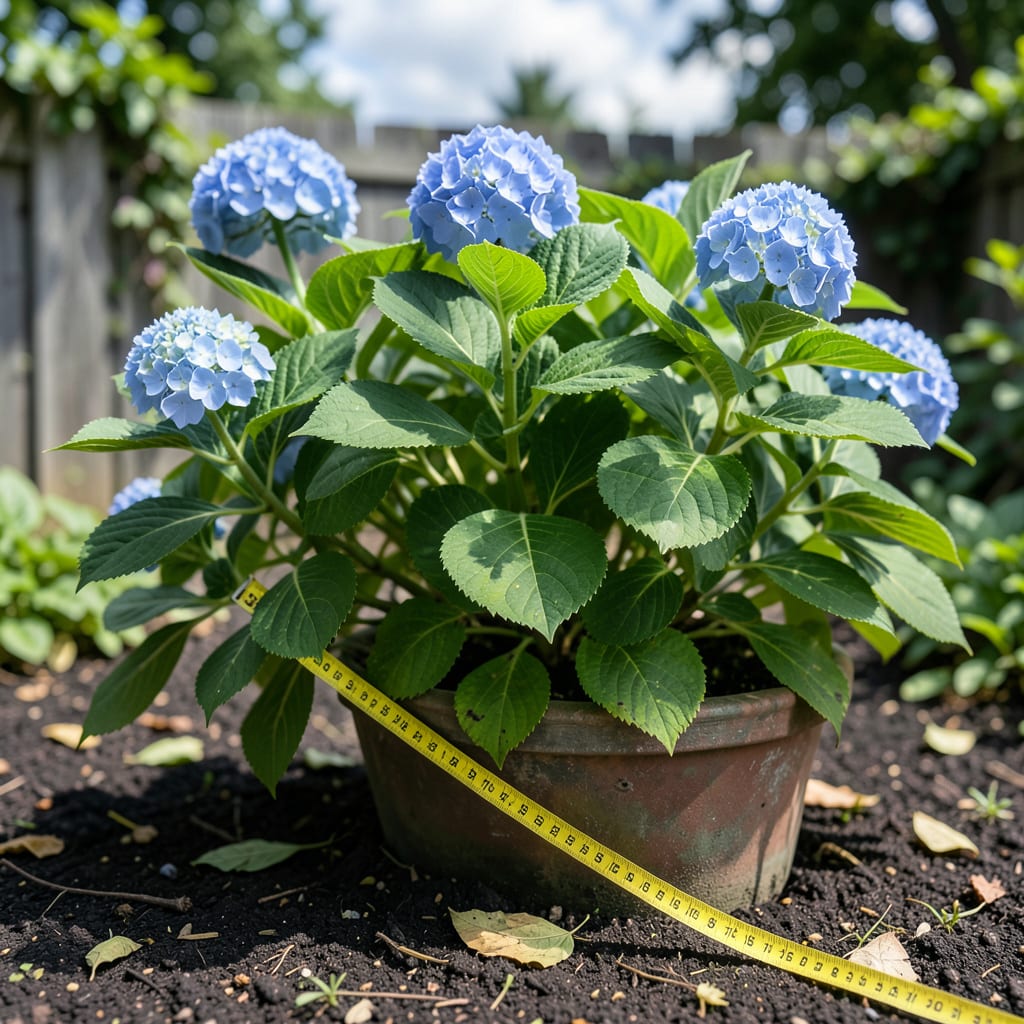
When planning your garden, understanding how tall your Hydrangea 🌸 will grow is crucial for creating a beautiful landscape. The height of these stunning shrubs can vary significantly based on several factors.
In USDA Zone 6, Hydrangeas typically grow between 3-8 feet tall, depending on the variety and growing conditions. Let’s explore what influences their growth and how you can manage their height effectively.


Understanding the factors that influence hydrangea height is essential for garden planning. Several key elements determine how tall your hydrangea will grow, including the specific variety, soil quality, and sunlight exposure.
The hydrangea variety plays a significant role in determining its mature height. Different types of hydrangeas have varying growth habits, with some naturally growing taller than others 🌸.
The soil quality significantly impacts hydrangea growth. Hydrangeas thrive in well-draining soil soil soils with a pH between 6.0 and 7.0. The right soil conditions support healthy root development and overall plant vigor, which in turn affects how tall the plant will grow.
Sunlight exposure is another critical factor. Most hydrangeas prefer partial shade, especially in warmer climates, to prevent leaf scorch and promote even growth. The amount of sunlight directly influences the plant’s photosynthesis rate and energy production, which affects overall height 🌻.
Pruning practices also play a crucial role in managing hydrangea height. Proper pruning techniques can help control the plant’s size, encourage dense growth, and maintain the desired height. Different hydrangea varieties have specific pruning requirements based on their blooming habits.
By understanding these factors, gardeners can better predict and manage the height of their hydrangeas, creating a more balanced and beautiful garden landscape.
For example, Bigleaf hydrangeas typically grow between 3-6 feet tall, while Panicle hydrangeas can reach heights of 6-8 feet or more with proper care 🌼.
Regular soil testing and fertilization can help maintain optimal growing conditions and support healthy height growth.
It’s also important to consider the mature size of the hydrangea variety when planting to ensure proper spacing in your garden.
By combining the right variety with optimal growing conditions and proper care, you can achieve the desired height for your hydrangea plants.
Proper water management is also crucial, as hydrangeas prefer consistent moisture but can’t tolerate waterlogged soil.
Understanding these key factors will help you make informed decisions about planting and caring for your hydrangeas to achieve the best possible growth.
Understanding the typical height ranges for different hydrangea varieties is essential for garden planning. Various types of hydrangeas exhibit distinct growth patterns and mature heights, making it crucial to identify the specific variety you’re working with 🌼.
Different hydrangea types have unique characteristics that influence their growth. Let’s examine the average height ranges for some of the most popular varieties, including Bigleaf, Panicle, Smooth, and Oakleaf hydrangeas.
The Bigleaf Hydrangea typically grows between 3-6 feet tall, making it suitable for smaller garden spaces or container planting. Its compact, rounded growth habit makes it an excellent choice for borders or foundation plantings 🌺.
Panicle Hydrangeas are known for their vigorous growth, often reaching heights of 6-8 feet or more. Their upright habit makes them ideal for creating dramatic garden statements or privacy screens 🌻.
Smooth Hydrangeas generally grow between 3-6 feet tall, with a bushy, spreading habit that works well in mixed perennial borders or as specimen plants. Their height can be managed through regular pruning to maintain a desired size 🌼.
Oakleaf Hydrangeas typically reach heights of 4-6 feet, with an upright, layered growth pattern. Their distinctive foliage and layered branching make them a beautiful addition to woodland gardens or shaded areas 🌸.
Understanding these typical height ranges helps gardeners make informed decisions about plant placement and spacing. Proper spacing ensures good air circulation, reduces disease risk, and creates a more balanced garden landscape.
When selecting hydrangeas, consider both the mature height and the growth rate to plan your garden effectively. This knowledge allows you to create a harmonious garden design that accommodates the plants’ full growth potential.
By choosing the right hydrangea variety for your space and providing appropriate care, you can enjoy these beautiful flowering shrubs at their best.
Effective pruning techniques are essential for managing hydrangea height and promoting healthy growth. Proper pruning not only controls the plant’s size but also encourages dense flowering and maintains the desired shape 🌼.
Different hydrangea varieties have specific pruning requirements based on their blooming habits. Understanding these differences is crucial for effective height management.
Determine if your hydrangea blooms on old or new wood
Prune according to the plant’s blooming cycle
Cut out any dead or damaged wood to promote healthy growth
Selectively remove older stems to encourage new growth
Pruning timing is critical for hydrangea care. For varieties that bloom on old wood, prune immediately after flowering. For those that bloom on new wood, prune in late winter or early spring before new growth begins 🌸.
When pruning, make clean cuts just above a bud or lateral branch to minimize damage and promote healthy regrowth. Remove no more than one-third of the plant’s total growth to avoid stressing the hydrangea.
Regular pruning not only controls height but also improves the plant’s overall health by removing dead or diseased branches. This practice encourages better air circulation and reduces the risk of fungal diseases.
For Bigleaf hydrangeas, focus on removing dead branches and shaping the plant after it finishes blooming. For Panicle hydrangeas, prune in late winter by cutting back the previous year’s growth to a few buds from the ground 🌺.
By mastering these pruning techniques, you can effectively manage your hydrangea’s height while promoting vigorous, healthy growth and abundant flowering.
Consistent pruning practices will help maintain your desired plant size and enhance the overall appearance of your garden.
With proper pruning, you can enjoy beautifully maintained hydrangeas that enhance your garden’s beauty for years to come 🌼.
Hydrangea heights vary by type. Bigleaf hydrangeas grow 3-6 feet tall, while Panicle hydrangeas can reach 6-8 feet. Smooth hydrangeas typically grow 3-6 feet tall, and Oakleaf hydrangeas reach 4-6 feet. The specific variety determines the mature height.
Pruning is key to managing hydrangea height. Prune according to the plant’s blooming cycle: after flowering for varieties that bloom on old wood, and in late winter or early spring for those that bloom on new wood. Remove dead branches and thin out older stems to encourage new growth. Regular pruning maintains desired height and promotes healthy growth.
Yes, soil quality significantly impacts hydrangea growth. Hydrangeas thrive in well-draining soil with a pH between 6.0 and 7.0. Proper soil conditions support healthy root development and overall plant vigor, affecting the plant’s height. Regular soil testing and fertilization help maintain optimal growing conditions.
Sunlight exposure influences hydrangea height by affecting photosynthesis and energy production. Most hydrangeas prefer partial shade, especially in warmer climates, to prevent leaf scorch and promote even growth. The right amount of sunlight supports healthy growth and optimal height.
