
Beautiful Plants For Your Interior
Beautiful Plants For Your Interior
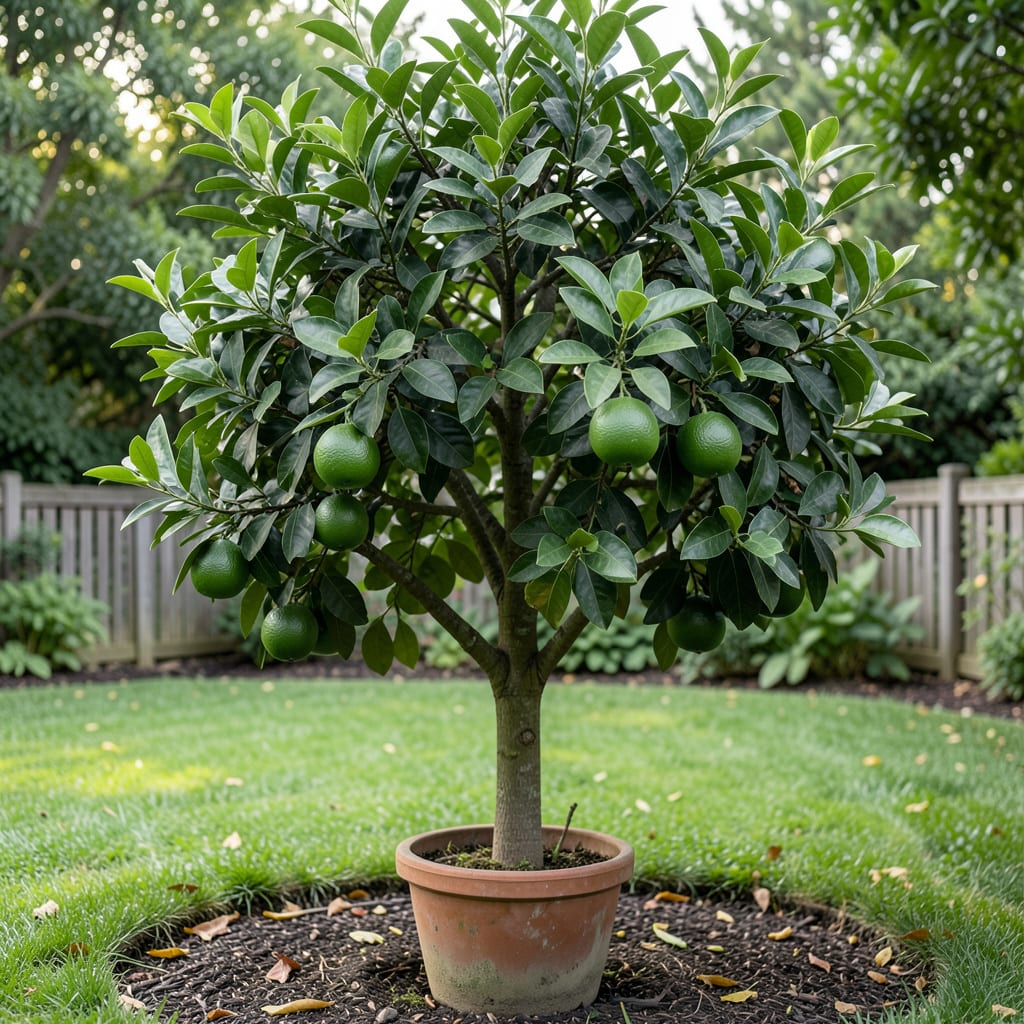
When growing a 🍊 grapefruit tree, understanding its potential height is crucial for proper garden planning. In ideal conditions, these trees can reach 20-25 feet tall, comparable to a two-story house.
Factors like climate, soil quality, and pruning practices influence their growth. By managing these elements, you can control your tree’s height and ensure optimal fruit production. Let’s explore how to make the most of your grapefruit tree’s growth potential.


Understanding the factors that influence grapefruit tree height is crucial for effective garden planning and tree management. Several key elements determine how tall your grapefruit tree will grow, including climate conditions, soil quality, and cultivation practices. 🌳
The rootstock selection plays a significant role in determining the mature height of your grapefruit tree. Different rootstocks have varying growth habits that can influence the overall size of the tree. For instance, dwarf rootstocks typically result in smaller trees, while standard rootstocks allow for more substantial growth.
The climate where your grapefruit tree is grown significantly affects its height. Trees grown in warmer USDA zones (like 9-11) tend to reach their maximum potential height, while those in cooler zones may have restricted growth due to frost sensitivity.
Soil quality is another critical factor. Grapefruit trees prefer well-draining soil with a pH between 6.0 and 6.5. Proper nutrient availability in the soil supports healthy growth and development, enabling the tree to reach its optimal height.
Pruning practices are essential for managing grapefruit tree height. Regular pruning not only helps maintain a desired size but also promotes better fruit production and overall tree health. Proper pruning techniques can keep your tree at a manageable height while maximizing its fruit-bearing potential.
When selecting a grapefruit tree, consider the rootstock as it directly influences the tree’s mature size. Dwarf rootstocks result in trees that grow between 8-12 feet tall, making them ideal for smaller spaces or container gardening. Semi-dwarf rootstocks produce trees that reach 12-18 feet, offering a balance between size and fruit production. Standard rootstocks allow for the maximum height potential, typically between 18-25 feet.
By understanding these factors and how they interact, you can better manage your grapefruit tree’s growth and ensure it reaches a height that suits your gardening needs and preferences.
Regular monitoring of your tree’s growth and adjusting your care practices accordingly will help maintain the ideal height while promoting overall tree health and fruit production.
It’s also important to note that proper care throughout the tree’s life cycle contributes to its ability to reach its full height potential. This includes regular watering, appropriate fertilization, and protection from pests and diseases.
By combining the right rootstock selection with optimal growing conditions and regular maintenance, you can cultivate a healthy grapefruit tree that thrives at your desired height.
For more specific guidance on managing your grapefruit tree’s height, consider consulting with local gardening experts or horticultural professionals who can provide advice tailored to your specific climate and growing conditions.
Effective height management not only enhances the aesthetic appeal of your garden but also improves the accessibility and maintenance of your grapefruit tree.
Effective management of grapefruit tree size is crucial for maintaining a healthy and productive tree. Proper pruning techniques and training methods help control the tree’s height while promoting fruit production. Regular maintenance is key to achieving optimal growth 🌳.
Pruning is essential for managing grapefruit tree size. It involves removing dead or diseased branches, thinning out the canopy to allow sunlight penetration, and shaping the tree to maintain a desired height. Proper pruning techniques can help keep your tree at a manageable height while maximizing its fruit-bearing potential.
Prune young trees to establish a strong structure by removing competing branches and shaping the central leader.
Continue annual pruning to maintain desired height, remove dead wood, and improve air circulation within the canopy.
Thin fruit to prevent branch breakage and promote better fruit quality by reducing the overall weight on branches.
In addition to pruning, training methods can help manage grapefruit tree size. Techniques such as espaliering or central leader training can be employed to control the tree’s height and shape. These methods involve training the tree to grow in a specific form, making it easier to maintain and harvest.
Regular maintenance is crucial for maintaining the desired height and promoting overall tree health. This includes monitoring the tree’s growth, adjusting pruning practices as needed, and ensuring proper care throughout the tree’s life cycle.
By combining proper pruning techniques with effective training methods and regular maintenance, you can cultivate a healthy and productive grapefruit tree that thrives at your desired height 🌟.
It’s also important to consider the rootstock selection when planting a new grapefruit tree. Different rootstocks have varying growth habits that can influence the overall size of the tree. Selecting the right rootstock can help you achieve your desired tree height and make maintenance easier.
For more specific guidance on managing your grapefruit tree’s size, consider consulting with local gardening experts or horticultural professionals who can provide advice tailored to your specific climate and growing conditions.
Understanding the growth expectations of different grapefruit tree varieties is essential for garden planning and management. The height potential of grapefruit trees varies significantly based on the specific variety and rootstock used 🌳.
Dwarf grapefruit trees typically grow between 8-12 feet tall, making them ideal for smaller gardens or container gardening. These compact trees are perfect for urban gardeners or those with limited space.
Semi-dwarf grapefruit trees offer a balance between size and fruit production, growing to be 12-18 feet tall. These trees are suitable for medium-sized gardens and provide a good compromise between space requirements and fruit yield.
Standard grapefruit trees have the highest growth potential, reaching heights of 18-25 feet. They are best suited for large gardens or orchards where they have ample space to grow.
The choice of variety significantly impacts the mature height of your grapefruit tree. By selecting the appropriate variety based on your available space and gardening goals, you can ensure optimal growth and fruit production 🌟.
When planning your garden, consider the mature size of your grapefruit tree to ensure proper spacing and placement. This will help prevent overcrowding and allow for better air circulation and sunlight penetration.
Regular maintenance, including pruning and training, can also help manage the size of your grapefruit tree, regardless of the variety. This ensures that your tree remains healthy and productive while fitting within your garden’s spatial constraints.
By understanding the growth expectations of different grapefruit tree varieties, you can make informed decisions when selecting and caring for your trees, ultimately leading to a more successful and enjoyable gardening experience.
Grapefruit trees typically grow between 18-25 feet tall when mature, comparable to a two-story house. The exact height depends on factors like rootstock and growing conditions. Proper care can help them reach their full potential height .
Grapefruit trees usually take 5-7 years to reach their mature height. Growth rates vary based on climate, soil quality, and rootstock selection. Regular pruning helps maintain desired height while promoting healthy growth .
Yes, you can manage grapefruit tree height through regular pruning and training techniques. Methods like espaliering or central leader training help control height while maintaining fruit production. Prune annually to maintain desired size and shape .
The rootstock significantly influences grapefruit tree height. Dwarf rootstocks result in trees that grow 8-12 feet tall, while semi-dwarf trees reach 12-18 feet, and standard trees grow 18-25 feet. Choosing the right rootstock helps achieve your desired tree height .
