
Beautiful Plants For Your Interior
Beautiful Plants For Your Interior
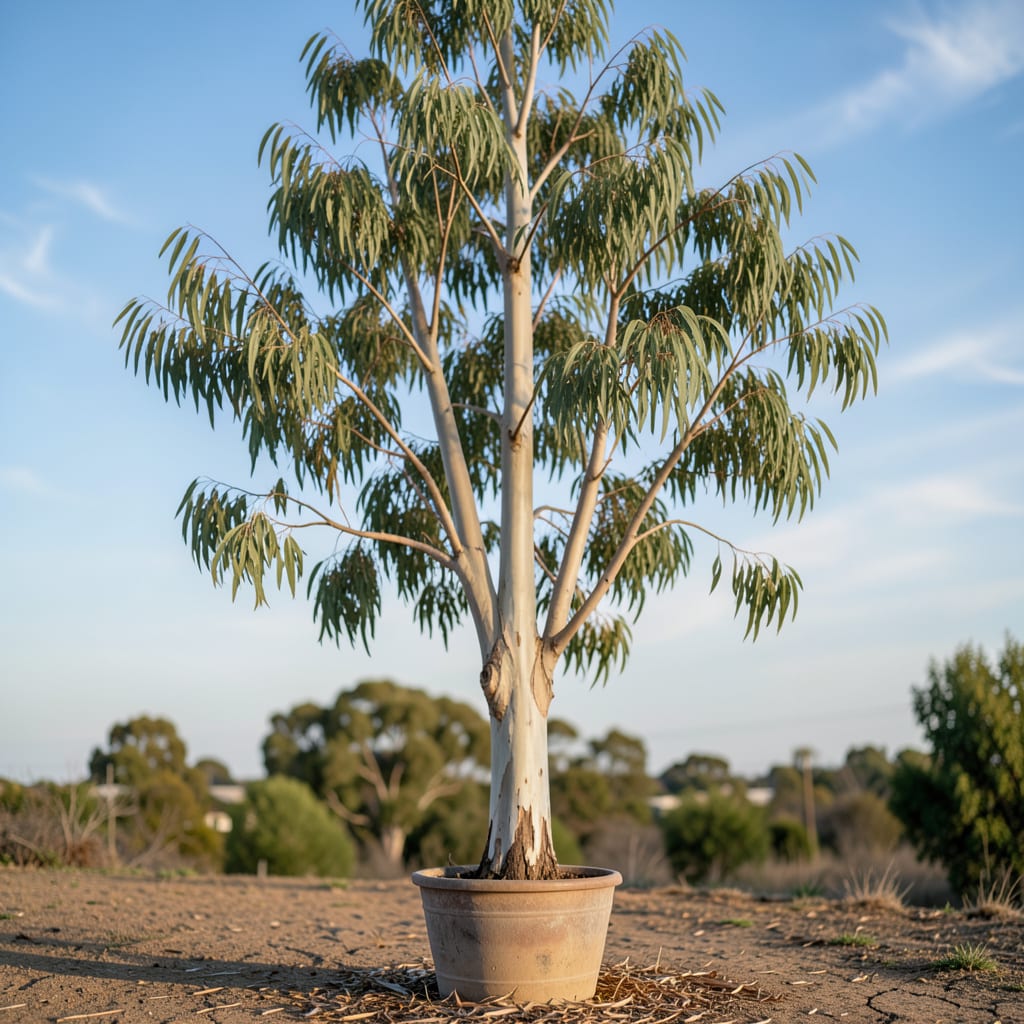
I’ve always been fascinated by the majestic Eucalyptus Tree 🌳, known for its impressive height and rapid growth. These trees can transform any landscape with their towering presence.
Understanding how tall a Eucalyptus Tree can grow is crucial for gardeners and landscapers. Let’s explore the factors that influence their height and how to manage their growth effectively in your garden or landscape.


Eucalyptus trees are known for their impressive height and rapid growth, making them a popular choice for landscaping and timber production. The height of eucalyptus trees can vary significantly depending on the species and growing conditions 🌳.
Different eucalyptus species have varying maximum heights, ranging from 60 to 200 feet or more. Understanding these variations is crucial for selecting the right species for your needs.
The maximum height of eucalyptus trees is influenced by factors such as climate, soil quality, and available water. Trees growing in optimal conditions with ample resources can reach their full height potential.
Eucalyptus regnans, for example, is known to be one of the tallest hardwood trees in the world, reaching heights of up to 230 feet in their natural habitat. Other species like Eucalyptus globulus and Eucalyptus grandis also achieve significant heights, making them suitable for various landscaping and forestry applications.
When planting eucalyptus trees, it’s essential to consider their potential height and growth rate to ensure they have enough space to mature without causing issues.
The growth rate of eucalyptus trees can be influenced by factors such as soil nutrients, water availability, and pruning practices. Proper care can help eucalyptus trees achieve their maximum height potential.
In addition to their height, eucalyptus trees are also valued for their timber quality and environmental benefits. They are often used for reforestation efforts and as a sustainable timber source.
Understanding the growth habits of different eucalyptus species can help you make informed decisions when selecting trees for your landscape or forestry project.
By choosing the right eucalyptus species and providing appropriate care, you can enjoy the benefits of these impressive trees for years to come 🌿.
Eucalyptus trees continue to be a popular choice for many due to their unique characteristics and versatility in various environments.
Their ability to grow tall and thrive in different conditions makes them an excellent option for both aesthetic and functional purposes.
Eucalyptus trees are known for their impressive height and rapid growth, but several factors can influence how tall they can grow 🌳. Understanding these factors is crucial for gardeners and landscapers who want to optimize the growth of their eucalyptus trees.
The height of eucalyptus trees can be affected by various environmental and care-related factors. Let’s explore some of the key elements that impact eucalyptus tree height growth.
By understanding and managing these factors, gardeners and landscapers can help their eucalyptus trees achieve their maximum height potential and enjoy the many benefits these trees provide 🌿.
Eucalyptus trees are not only valued for their height but also for their timber quality and environmental benefits. Proper care can enhance these aspects and make eucalyptus a valuable addition to any landscape.
Regular monitoring of environmental conditions and tree health is essential for optimizing eucalyptus tree growth and ensuring they reach their full potential.
With the right care and conditions, eucalyptus trees can become a striking feature in any garden or landscape, providing shade, beauty, and ecological benefits for years to come.
I find that managing the height of eucalyptus trees is crucial for landscaping purposes, as it allows you to maintain a desired tree size while promoting healthy growth 🌳.
One effective way to control eucalyptus tree height is through regular pruning. Pruning helps maintain a balanced structure and can prevent trees from becoming too tall or leggy.
Prune eucalyptus trees during their dormant season to minimize stress and promote healthy regrowth.
When pruning eucalyptus trees, it’s essential to make clean cuts just above a growth node to encourage new growth and prevent damage to the tree.
Pruning techniques can vary depending on the desired outcome. For example, you can prune to maintain a specific height, promote a more balanced structure, or encourage denser foliage.
In addition to pruning, other factors such as soil quality and water availability can impact eucalyptus tree height. Ensuring optimal growing conditions can help trees reach their full potential.
By combining proper pruning techniques with optimal care, you can effectively manage eucalyptus tree height and enjoy the many benefits these trees provide in your landscape 🌿.
Eucalyptus trees are versatile and can be used in various landscaping applications, from windbreaks to ornamental specimens.
Understanding how to manage their height is key to maximizing their potential in your garden or landscape.
Eucalyptus trees can grow to varying heights depending on the species, but most mature trees typically reach between 100 to 150 feet. Some species, like Eucalyptus regnans, can even grow up to 230 feet in ideal conditions. Proper care and optimal growing conditions can help trees achieve their maximum height potential.
Eucalyptus trees are known for their rapid growth, with some species growing up to 6 feet per year under optimal conditions. Factors such as soil quality, water availability, and climate can influence their growth rate. Regular fertilization and proper pruning can also promote healthy growth.
Yes, you can control the height of your eucalyptus tree through regular pruning. Pruning helps maintain a balanced structure and can prevent trees from becoming too tall or leggy. It’s essential to make clean cuts just above a growth node to encourage new growth and prevent damage to the tree. Prune during the dormant season to minimize stress.
Several factors can influence eucalyptus tree height, including soil quality, water availability, climate conditions, and pruning practices. Ensuring optimal growing conditions and proper care can help trees reach their full potential. Regular monitoring of environmental conditions and tree health is also crucial.
