
Beautiful Plants For Your Interior
Beautiful Plants For Your Interior
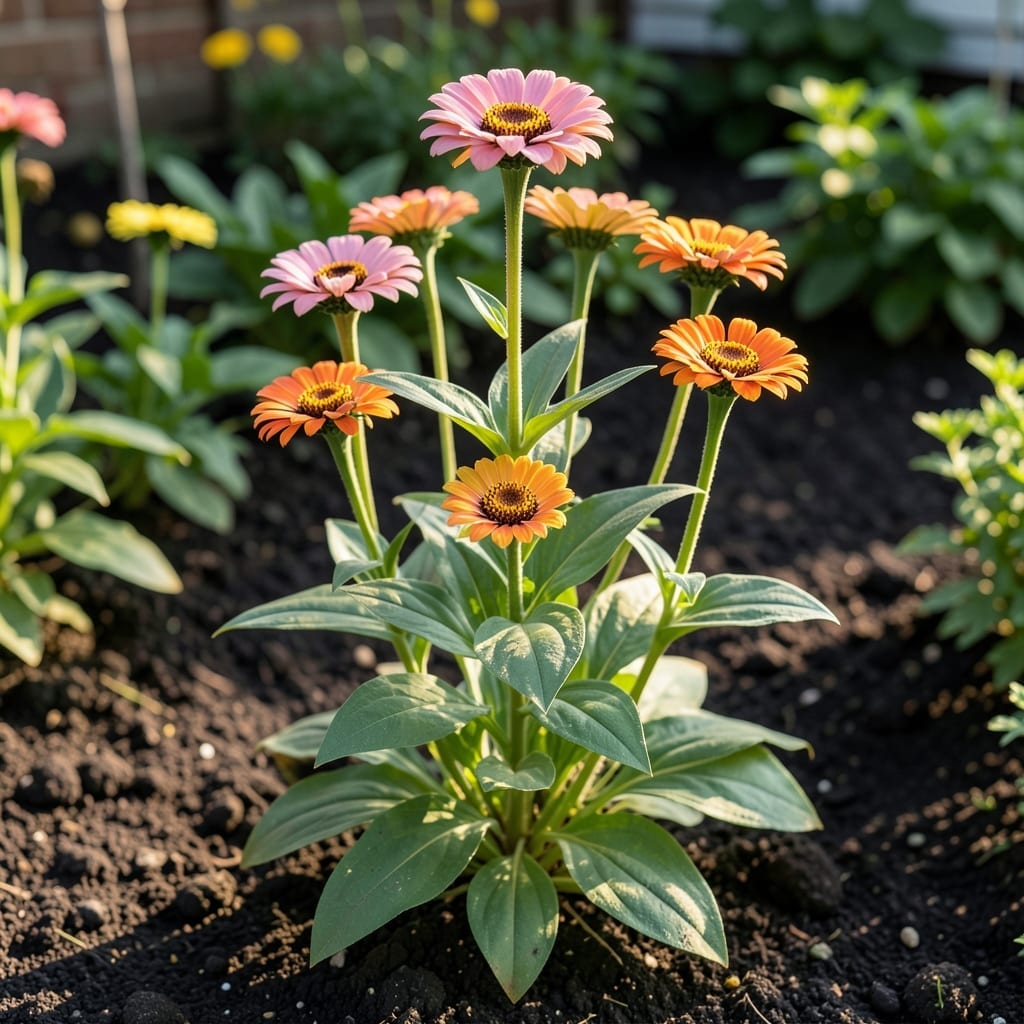
There’s something magical about watching Zinnias 🌼 transform from tiny seeds into vibrant blooms towering over your garden. But here’s the thing: not all zinnias grow the same height, and that can make or break your garden design.
From petite dwarf varieties to towering giants, the height range might surprise you. Whether you’re planning a border display or want cut flowers that stand out in a vase, knowing what to expect is the key to success.
Let me walk you through the typical heights you can achieve and how to get the most from these easy-to-grow beauties in your outdoor space.

If you’re planning a zinnia garden, height matters more than you think. These cheerful flowers come in a surprising range of sizes, from tiny border plants to towering back-of-bed showstoppers. The variety you choose will determine everything from spacing to support needs.
I’ve found that understanding these height differences helps prevent overcrowding and ensures every plant gets the sunlight and air circulation it needs to thrive in your outdoor space.
| Variety Type | Mature Height | Example Cultivars |
|---|---|---|
| Dwarf | 6-12 inches | Thumbelina, Crystal |
| Semi-Dwarf | 1-2 feet | Profusion, Zahara |
| Standard | 2-4 feet | Benary’s Giant, State Fair |
The dwarf varieties are perfect for container gardens or front borders, rarely exceeding 1 foot tall. These compact plants pack a big punch with their vibrant blooms while staying neatly contained.
Semi-dwarf zinnias hit that sweet spot between manageable size and impressive height. At 1-2 feet, they work beautifully in mid-border positions or mixed flower beds.
For dramatic impact, you can’t beat the standard varieties. These can reach 4 feet tall or more, creating stunning vertical elements in your garden. I love using them as living screens or at the back of flower beds.
The Benary’s Giant series is particularly impressive, often topping out at 4-5 feet under ideal conditions. They’re a favorite for cut flower arrangements because of their long, sturdy stems.
Remember that these heights are mature sizes. Your zinnias might start smaller but will reach their full potential with proper care. I’ve found that consistent watering and full sun help them grow to their maximum height.
Soil quality matters too. Well-draining soil with plenty of organic matter gives zinnias the foundation they need to grow tall and strong. I always amend my beds with compost before planting.
Whether you want petite blooms or towering flowers, there’s a zinnia variety that will fit your space perfectly. The key is choosing the right type for your garden’s dimensions and your design goals.
I recommend starting with a mix of heights for visual interest and seasonal variety in your garden layout.
Managing zinnia height is simpler than you might think. With a few proactive techniques, you can encourage compact growth or let them reach their full potential for dramatic displays. I’ve had great success using these methods in my own garden.
The key is understanding that environmental factors and cultural practices both play a role. From the moment you plant those seeds, you have control over how tall your zinnias will grow.
I always pinch back my zinnias when they’re young. This simple technique removes the top growth, forcing the plant to branch out. The result is a fuller, more compact plant that still produces plenty of blooms.
Spacing makes a surprising difference too. When planted too close, zinnias compete for resources and stay smaller. But give them 12-18 inches of space, and they’ll grow taller with stronger stems.
Fertilizer application directly affects height. I’ve noticed that zinnias fed with high-nitrogen fertilizer tend to grow taller, while those with balanced or low-nitrogen feeds stay more compact.
Don’t forget about support systems for taller varieties. While they don’t control height, stakes or cages prevent toppling in wind or rain, allowing plants to reach their maximum potential without damage.