
Beautiful Plants For Your Interior
Beautiful Plants For Your Interior
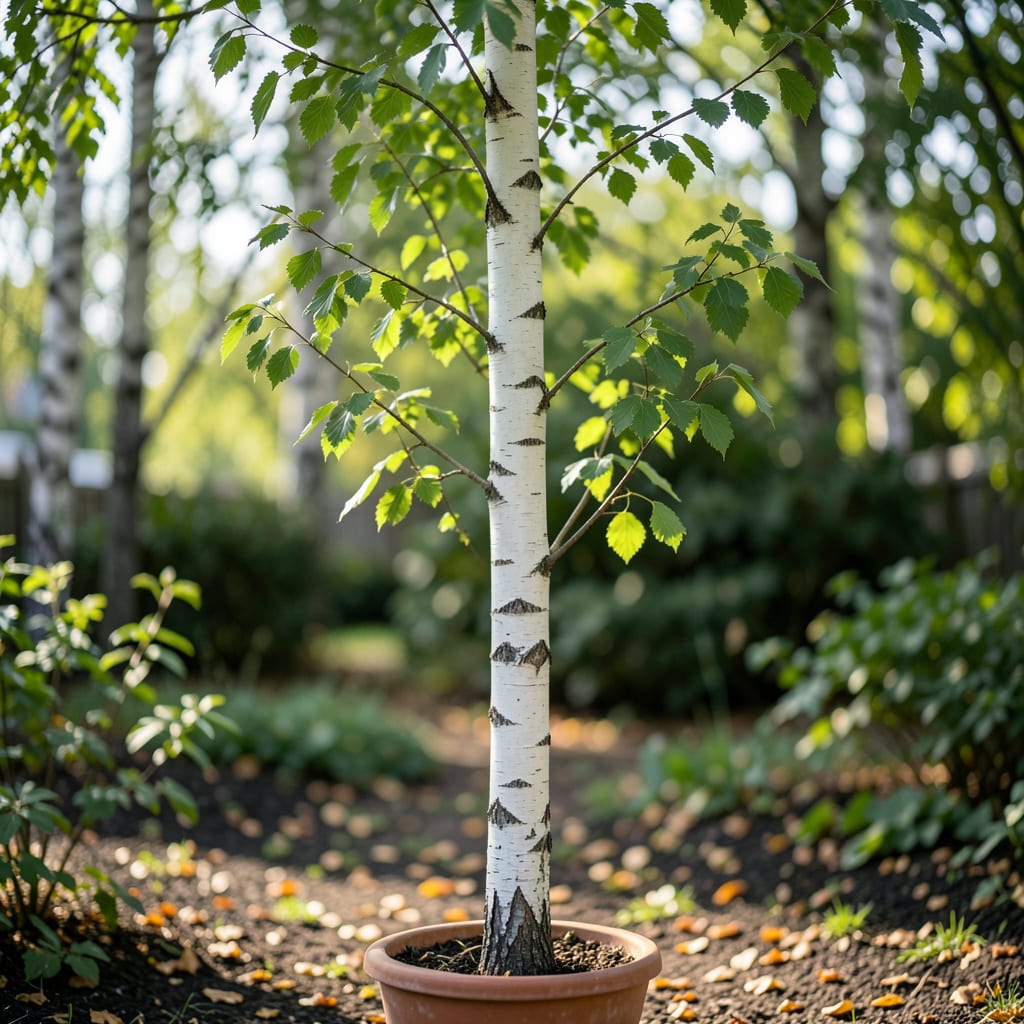
When planting a White Birch 🌳 in your landscape, understanding its growth potential is crucial. These trees are known for their striking white bark and can grow quite tall, but how tall can they actually get?
The height of White Birch trees varies, typically reaching 50 feet or more at maturity. Factors such as soil quality, climate, and maintenance practices play a significant role in determining their maximum height.


White birch trees are known for their striking white bark and can grow to varying heights depending on several factors. Understanding their growth potential is essential for proper landscape planning 🌳.
The height of white birch trees typically ranges between 30 to 70 feet, with some specimens reaching even taller heights under ideal conditions. The average mature height is around 50 feet, making them a significant presence in any landscape.
Several factors influence the maximum height white birch trees can achieve. These include soil quality, climate conditions, and maintenance practices. Trees growing in optimal conditions with rich soil and adequate moisture tend to reach their full height potential 🌿.
White birch trees typically have a moderate growth rate of about 1 to 2 feet per year. This rate can vary based on environmental factors and care practices. Young trees establish quickly and continue to grow steadily until they reach maturity.
The soil conditions play a crucial role in determining the height of white birch trees. They prefer well-drained, moist soil with a slightly acidic to neutral pH. Poor soil quality can limit their growth potential.
Climate is another critical factor affecting the height of white birch trees. They thrive in cooler climates with cold winters and are commonly found in northern regions. Extreme heat or drought can stress the trees and impact their growth.
Proper maintenance practices, including regular watering, fertilization, and pruning, can support healthy growth and help white birch trees reach their maximum height potential. Regular care ensures the trees remain vigorous and resilient.
White birch trees are known for their adaptability to various soil types, but they perform best in moist, well-drained soils. Soil fertility and drainage are key factors that influence their overall health and height.
In landscape design, understanding the mature height of white birch trees is crucial for planning. They can be used as specimen trees or in group plantings, providing a striking visual impact with their white bark and graceful canopy 🌲.
By considering the factors that influence their height and providing appropriate care, you can ensure that your white birch trees grow to their full potential and enhance your landscape for years to come.
Understanding the factors that influence white birch tree height is crucial for optimal growth. Several key elements affect how tall these trees can grow 🌳.
The soil conditions play a significant role in determining white birch tree height. These trees prefer well-drained, moist soil with a slightly acidic to neutral pH. Soil quality directly impacts root development and overall tree health.
Climate conditions are another critical factor. White birch trees thrive in cooler climates with cold winters. They are commonly found in northern regions where temperatures are moderate 🌲.
Maintenance practices also significantly impact white birch tree height. Regular watering, fertilization, and pruning support healthy growth and help trees reach their maximum height potential.
White birch trees are adaptable to various soil types but perform best in moist, well-drained soils. Ensuring optimal soil conditions is key to promoting healthy growth.
By understanding and managing these factors, you can create an optimal environment for your white birch trees to grow tall and healthy 🌿.
Regular monitoring of soil and climate conditions, along with proper maintenance, will help maximize the growth potential of your white birch trees.
Proper care and attention to the factors influencing white birch tree height will ensure these beautiful trees thrive in your landscape.
When incorporating white birch trees into your landscape design, managing their height is crucial for maintaining the desired aesthetic and ensuring the tree’s health 🌳.
White birch trees can grow quite tall, typically reaching heights of 30 to 70 feet. Proper management techniques can help control their height and maintain a balanced landscape.
Regular pruning is essential for managing white birch tree height. Prune during the dormant season to minimize stress and promote healthy growth 🌱.
Pruning is a key technique for managing white birch tree height. Remove dead or damaged branches to maintain the tree’s health and shape. Prune during the dormant season to reduce stress on the tree.
Growth management strategies are also important. Regularly inspect your trees for signs of disease or pest infestations, and address these issues promptly to prevent them from affecting the tree’s growth.
Consider the mature height of white birch trees when planning your landscape. Planting them in appropriate locations where they have enough space to grow without becoming too large for the area is crucial 🌲.
By implementing these management strategies, you can enjoy the beauty of white birch trees while maintaining a well-balanced and healthy landscape 🌿.
Proper care and regular maintenance will help ensure that your white birch trees remain a stunning feature in your landscape for years to come.
White birch trees typically grow to an average height of 50 feet at maturity, with some specimens reaching up to 70 feet under ideal conditions. The height can vary based on factors like soil quality and climate .
White birch trees have a moderate growth rate of about 1 to 2 feet per year. Young trees establish quickly and continue to grow steadily until they reach maturity. Proper care can support healthy growth .
Several factors influence the height of white birch trees, including soil conditions, climate, and maintenance practices. They prefer well-drained, moist soil and cooler climates with cold winters .
Yes, you can manage the height of your white birch tree through regular pruning and proper maintenance practices. Prune during the dormant season to minimize stress and promote healthy growth .
