
Beautiful Plants For Your Interior
Beautiful Plants For Your Interior
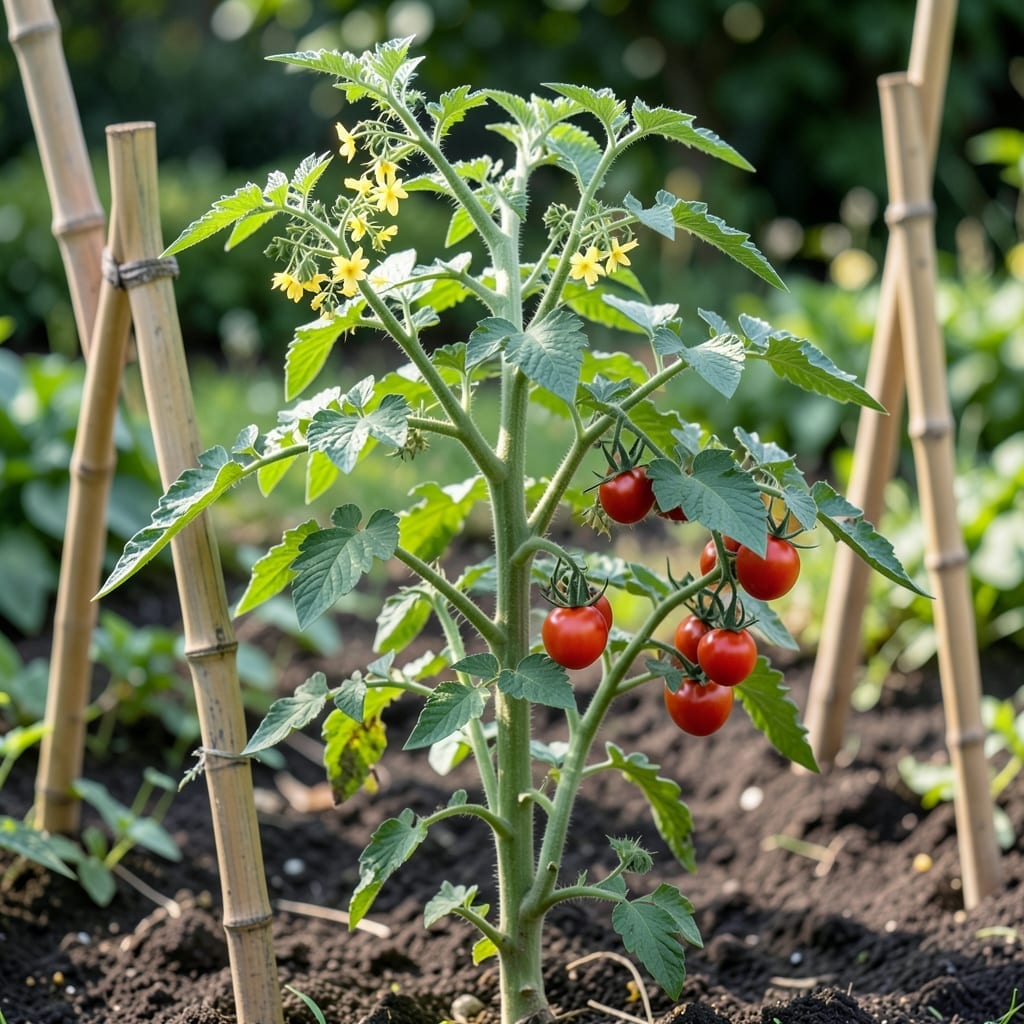
I remember the first time I planted Tomato seeds and watched them grow – some stayed small and bushy while others shot up like they were racing to the sky. This surprise taught me that knowing your variety is the key to proper garden planning.
Whether you’re growing in containers or a backyard plot, understanding height differences can prevent a tangled mess. Some Tomato plants stay under 3 feet, while others can reach 6 feet or more.
Discover how to choose the right variety for your space and learn simple tricks to support their growth. Let’s make your garden work for you, not against you.


When I first started gardening, I was amazed by how different tomato varieties could be in size. Some stayed small and bushy, while others grew tall enough to need serious support.
Understanding these differences helps you plan your garden layout and choose the right support systems. Here’s what you need to know about the typical heights of various tomato types.
| Variety | Typical Height | Growth Habit |
|---|---|---|
| Dwarf | 2-3 feet | Compact, bushy |
| Determinate | 3-4 feet | Bush-like, stops growing |
| Indeterminate | 6-12 feet | Vining, continuous growth |
| Cherry | 4-8 feet | Vining, prolific |
| Beefsteak | 5-9 feet | Large fruiting, tall |
The dwarf varieties are perfect for containers or small spaces. They typically max out at 3 feet tall and don’t require much support.
Determinate tomatoes grow to about 3-4 feet. These are often called “bush” tomatoes because they grow to a certain size and then stop.
Indeterminate varieties are the giants of the tomato world. Without proper support, they can grow 6-12 feet tall or more in a single season.
My favorite cherry tomatoes usually reach 4-8 feet. They’re prolific producers but need strong trellises to keep them manageable.
Beefsteak tomatoes often grow 5-9 feet tall. Their large fruit size means they need extra support to prevent branches from breaking.
For gardeners with limited space, I recommend starting with dwarf or determinate varieties. They’re easier to manage and still produce a great harvest.
Remember that these are just averages. Your plants might grow taller or shorter depending on growing conditions and care.
I’ve seen indeterminate tomatoes reach 10 feet in ideal conditions with proper support and pruning.
I’ve learned that tomato plant height isn’t just about the variety – growing conditions play a huge role too. Even the same type can vary significantly based on how you care for it.
From soil quality to sunlight exposure, several factors can make your plants grow taller or stay more compact than expected. Here’s what I’ve found makes the biggest difference:
Sunlight is the most critical factor. My plants always grow taller with 8 hours of direct sun compared to those getting only 6 hours. The extra light energy fuels more vertical growth.
Soil quality makes a noticeable difference too. I’ve seen the same variety grow 2 feet taller in rich garden soil versus poor, compacted earth. Regular compost additions really help.
Watering deeply and consistently encourages strong root development, which supports taller plants. I aim for 1-2 inches of water per week, more during hot spells.
Pruning can be a game-changer. By removing suckers and lower leaves, I direct the plant’s energy upward. This technique can add 1-2 feet to your plant’s height.
For container gardeners, remember that pot size limits height. I’ve found that 5-gallon containers support plants up to 4 feet, while larger pots can handle taller varieties.
By optimizing these factors, I’ve helped my indeterminate tomatoes reach their full potential. Even determinate varieties can exceed their typical height with ideal conditions.🌱