
Beautiful Plants For Your Interior
Beautiful Plants For Your Interior
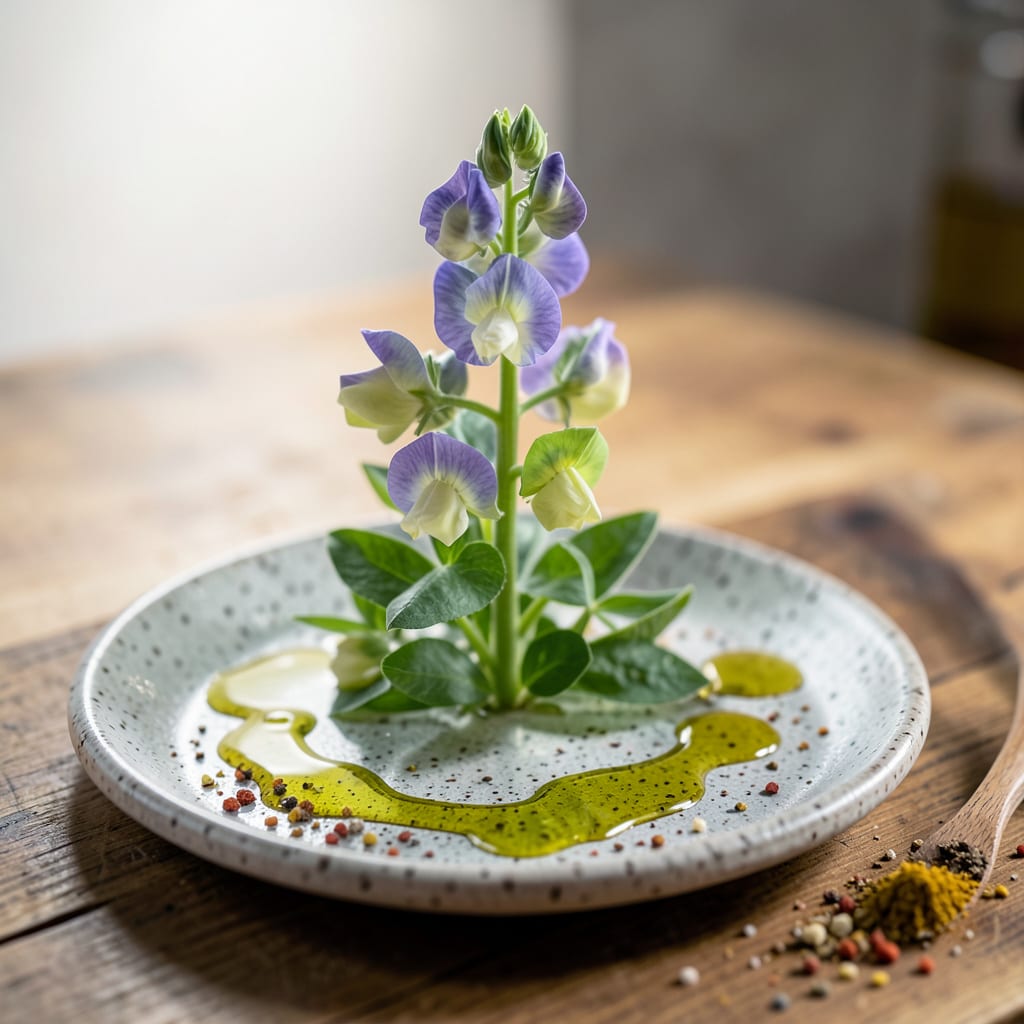
As I step into my garden, the vibrant colors and intoxicating fragrance of my Sweet Peas 🌼 immediately captivate me. Growing these beautiful flowers requires understanding their growth potential, particularly their height.
In USDA Zone 6, Sweet Peas can grow quite tall, typically reaching heights of 6-8 feet. With proper support and care, you can showcase their beauty and enjoy their blooms throughout the season.

Understanding the factors that influence Sweet Pea height is crucial for gardeners who want to maximize their growth. Several key elements contribute to how tall these beautiful flowers can grow 🌼.
The height of Sweet Peas is determined by a combination of genetic, environmental, and cultivation factors. Genetics play a significant role, as different varieties have been bred for varying heights, ranging from 6 to 8 feet or more.
The genetic makeup of Sweet Peas provides a foundation for their height potential. Most modern varieties are bred to reach between 6 to 8 feet when given ideal conditions. Environmental factors such as soil quality and sunlight exposure significantly impact their ability to achieve this potential.
Soil quality is particularly important, as Sweet Peas thrive in rich, well-draining soil that is high in organic matter. Gardeners should ensure their soil is well-prepared before planting 🌿.
Sunlight is another critical factor. Sweet Peas require full sun, meaning they need at least 6 hours of direct sunlight daily to grow tall and strong. Shaded conditions can lead to weaker, less vigorous plants 🔆.
In addition to genetics and environmental factors, cultivation practices play a vital role. Proper support systems, such as trellises or stakes, are essential for encouraging vertical growth. Regular watering and appropriate fertilization also contribute to maximizing height 🌻.
By understanding and optimizing these factors, gardeners can create ideal conditions for their Sweet Peas to reach their full height potential. This not only enhances the visual appeal of the garden but also supports the overall health and productivity of the plants 🌱.
Regular monitoring and adjustment of these factors throughout the growing season can help ensure that Sweet Peas achieve their maximum height. This proactive approach allows gardeners to address any issues promptly and maintain optimal growing conditions 📈.
Ultimately, the height of Sweet Peas is a result of a combination of natural genetic potential and careful cultivation practices. By focusing on both aspects, gardeners can enjoy a stunning display of these beautiful flowers 🌺.
As gardeners continue to care for their Sweet Peas, they can appreciate the rewarding process of nurturing these plants to their full height. The effort invested in providing ideal conditions pays off in the form of vibrant blooms and a lush garden atmosphere 🌼.
I focus on creating ideal growing conditions for my Sweet Peas to maximize their height. Understanding the factors that influence their growth is crucial for achieving optimal results 🌼.
To encourage maximum height in Sweet Peas, I follow several expert tips. First, I ensure they receive proper support through trellising or staking, which is essential for vertical growth.
Use rich, well-draining soil with high organic matter content. I add compost to improve soil fertility and drainage 🌿.
Ensure Sweet Peas receive full sun with at least 6 hours of direct sunlight daily. This promotes healthy growth and maximizes height 🔆.
Maintain consistent moisture to support vigorous vine development. I water my Sweet Peas weekly, ensuring the soil remains moist but not waterlogged 💧.
By implementing these expert tips, I create an optimal environment for my Sweet Peas to thrive. Proper soil preparation, adequate sunlight, and consistent watering all contribute to maximizing their height 🌻.
Regular monitoring and adjustment of these factors throughout the growing season help ensure that Sweet Peas achieve their maximum height. This proactive approach allows me to address any issues promptly and maintain optimal growing conditions 📈.
Ultimately, maximizing Sweet Pea growth requires a combination of ideal conditions and careful cultivation practices. By focusing on both aspects, I can enjoy a stunning display of these beautiful flowers 🌺.
As I continue to care for my Sweet Peas, I appreciate the rewarding process of nurturing these plants to their full height. The effort invested in providing ideal conditions pays off in the form of vibrant blooms and a lush garden atmosphere 🌼.
I have learned that avoiding common mistakes is crucial for helping Sweet Peas reach their full height potential. By understanding these pitfalls, gardeners can take proactive steps to ensure their Sweet Peas grow tall and strong 🌼.
Inadequate support, poor soil preparation, and insufficient sunlight are common mistakes that can limit Sweet Pea height.
One of the most significant mistakes gardeners make is not providing adequate support for their Sweet Peas. Without proper trellising or staking, these climbing plants can become tangled and fail to reach their maximum height 🌿.
Poor soil preparation is another common error. Sweet Peas require rich, well-draining soil to grow vigorously. Failing to amend the soil with organic matter can result in stunted growth and reduced flowering 🌻.
Insufficient sunlight is also a critical mistake. Sweet Peas need full sun to thrive, requiring at least 6 hours of direct sunlight daily. Shaded conditions can lead to weak, spindly growth and reduced blooming 🔆.
By avoiding these common mistakes, gardeners can create an optimal environment for their Sweet Peas to grow tall and flourish. This includes providing proper support, preparing the soil adequately, and ensuring sufficient sunlight 🌼.
Regular monitoring and adjustment of growing conditions throughout the season can help identify and correct any issues promptly, ensuring Sweet Peas achieve their maximum height 📈.
