
Beautiful Plants For Your Interior
Beautiful Plants For Your Interior
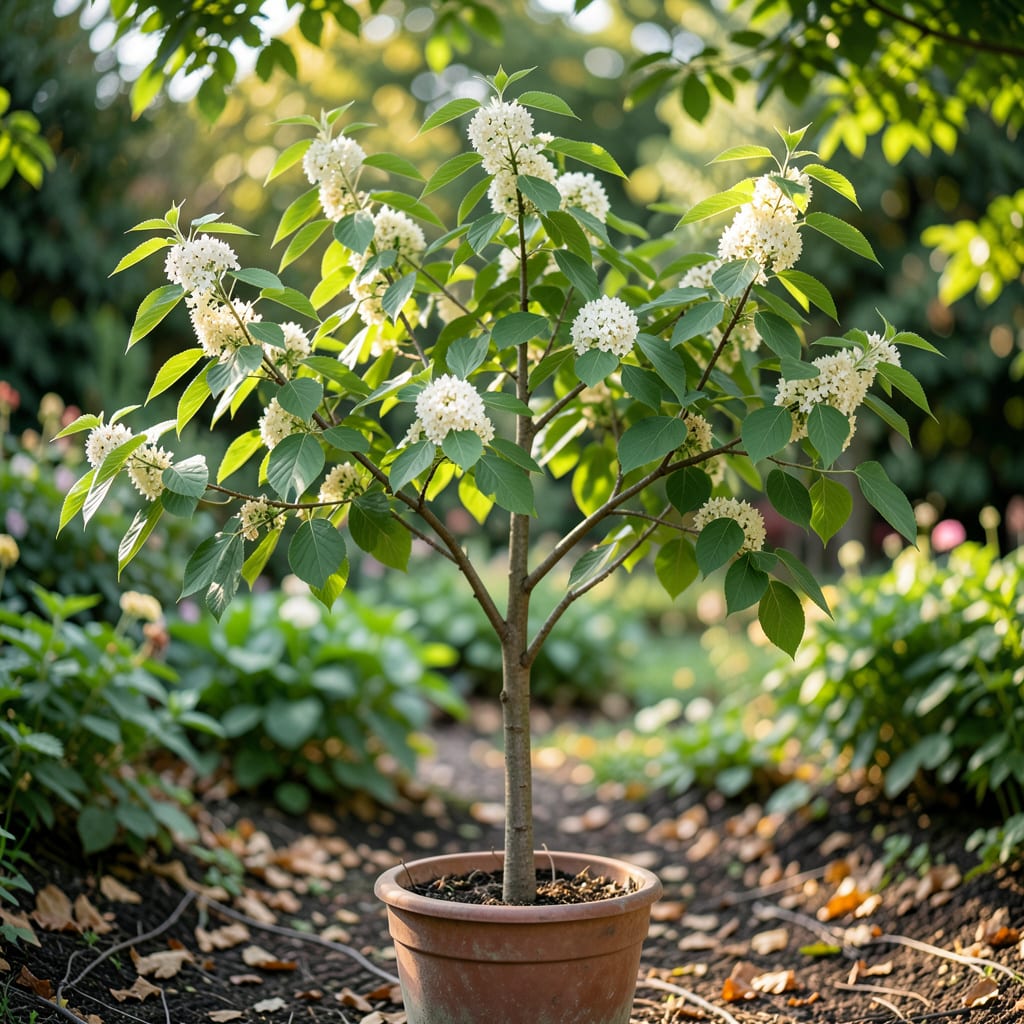
When planning your garden, understanding the growth patterns of your chosen plants is crucial. Serviceberry trees 🌳, known for their beautiful spring blossoms and delicious berries, can vary significantly in height depending on several factors.
As a gardener in USDA zone 6a, you’ll want to know that Serviceberry trees typically grow between 10-25 feet tall. Let’s explore what influences their height and how to manage their growth for your landscape.


Serviceberry trees are known for their beautiful spring blossoms and delicious berries, making them a popular choice for gardeners. Understanding their growth patterns is essential for proper garden planning 🌳.
The height of Serviceberry trees can vary significantly based on the species and growing conditions. Generally, these trees can grow between 10-25 feet tall, with some varieties reaching heights of up to 30 feet in ideal conditions.
The standard Serviceberry trees are the tallest, typically growing between 15-25 feet. The semi-dwarf varieties are more compact, reaching heights of 10-15 feet, while dwarf Serviceberry trees are the smallest, growing to 6-10 feet tall.
Several factors can influence the height of Serviceberry trees, including soil quality, sunlight exposure, watering practices, and pruning techniques. Understanding these factors is crucial for managing the growth of your Serviceberry trees effectively 🌿.
For example, Serviceberry trees grown in rich, well-drained soil with adequate sunlight tend to reach their maximum potential height. Conversely, trees in poor soil or with limited sunlight may not grow as tall.
Pruning is another critical factor that can affect the height of Serviceberry trees. Regular pruning can help maintain a desired height and shape, making it an essential practice for gardeners 🌟.
In addition to pruning, proper watering and fertilization can support healthy growth. Serviceberry trees prefer consistently moist soil but can tolerate some drought once established.
By understanding the typical height range of Serviceberry trees and the factors that influence their growth, you can make informed decisions when planning your garden.
Whether you’re looking to create a natural hedge, a specimen tree, or simply add some beauty to your landscape, Serviceberry trees offer versatility and aesthetic appeal 🌸.
For more detailed information on managing the height of Serviceberry trees, continue reading the next section on factors affecting their growth.
Understanding the factors that influence Serviceberry tree height is crucial for gardeners who want to manage their landscape effectively. Several key elements can impact how tall these trees will grow 🌳.
Soil quality plays a significant role in determining the height of Serviceberry trees. Trees grown in rich, well-drained soil with a balanced pH tend to reach their maximum potential height. Poor soil conditions can limit growth, making soil preparation essential before planting 🌿.
Serviceberry trees can adapt to various soil types but perform best in slightly acidic to neutral soil (pH 6.0-7.0).
Sunlight exposure is another critical factor affecting Serviceberry tree height. These trees prefer full sun to partial shade, meaning they need at least 6 hours of direct sunlight daily to grow optimally. Limited sunlight can result in weaker and less vigorous growth 🌻.
Watering practices also significantly impact the height of Serviceberry trees. Consistent moisture, especially during the first few years after planting, is vital for healthy growth. However, these trees can tolerate some drought once established, making them relatively low-maintenance 💧.
Pruning techniques are essential for managing the height and shape of Serviceberry trees. Regular pruning can help maintain a desired height, promote healthy growth, and enhance the overall appearance of the tree 🌟.
By understanding and managing these factors, gardeners can influence the height of their Serviceberry trees and ensure they thrive in their landscape.
For tips on managing Serviceberry tree height for different landscapes, continue reading the next section on pruning and training techniques.
Effective management of Serviceberry tree height requires a combination of good gardening practices and regular maintenance. By focusing on soil quality, sunlight exposure, watering, and pruning, you can help your trees reach their full potential 🌸.
Serviceberry trees are versatile and can be used in various landscape designs, from natural hedges to specimen trees. Their adaptability makes them a great choice for many gardeners 🌳.
When it comes to managing Serviceberry tree height for different landscapes, gardeners have several options to consider. The key is to understand the growth habits of these trees and how to maintain their desired height 🌳.
Serviceberry trees can be used in various landscape designs, from natural hedges to specimen trees. Their versatility makes them a great choice for many gardeners. To manage their height effectively, it’s essential to understand the different pruning techniques available 🌟.
Prune your Serviceberry tree annually to maintain its desired height and shape. Remove any dead or damaged branches to promote healthy growth.
For young Serviceberry trees, train them to a central leader or open center system. This will help you achieve the desired shape and height as the tree matures.
Ensure your Serviceberry tree is planted in rich, well-drained soil. This will support healthy growth and help the tree reach its optimal height.
By following these steps, you can effectively manage the height of your Serviceberry trees and enjoy their beauty in your landscape 🌸. Regular maintenance is key to keeping these trees healthy and thriving.
For more information on caring for Serviceberry trees, including tips on fertilization and pest management, be sure to check out our other resources.
Serviceberry trees are a wonderful addition to any garden, providing beautiful blossoms, delicious berries, and attractive foliage. With proper care, they can be a stunning feature in your landscape for years to come 🌟.
Serviceberry trees typically grow between 10-25 feet tall, with some varieties reaching heights of up to 30 feet in ideal conditions. The standard varieties tend to be the tallest, while dwarf varieties are more compact.
Serviceberry trees are considered moderate growers, typically increasing in height by 1-2 feet per year. Their growth rate can be influenced by factors such as soil quality, sunlight, and watering practices.
Yes, you can manage the height of your Serviceberry tree through regular pruning. Pruning annually can help maintain a desired height and shape, while also promoting healthy growth. It’s best to prune during the tree’s dormant season.
The height of a Serviceberry tree doesn’t directly impact its fruit production. However, factors that influence the tree’s overall health, such as soil quality and sunlight exposure, can affect its ability to produce fruit.
