
Beautiful Plants For Your Interior
Beautiful Plants For Your Interior
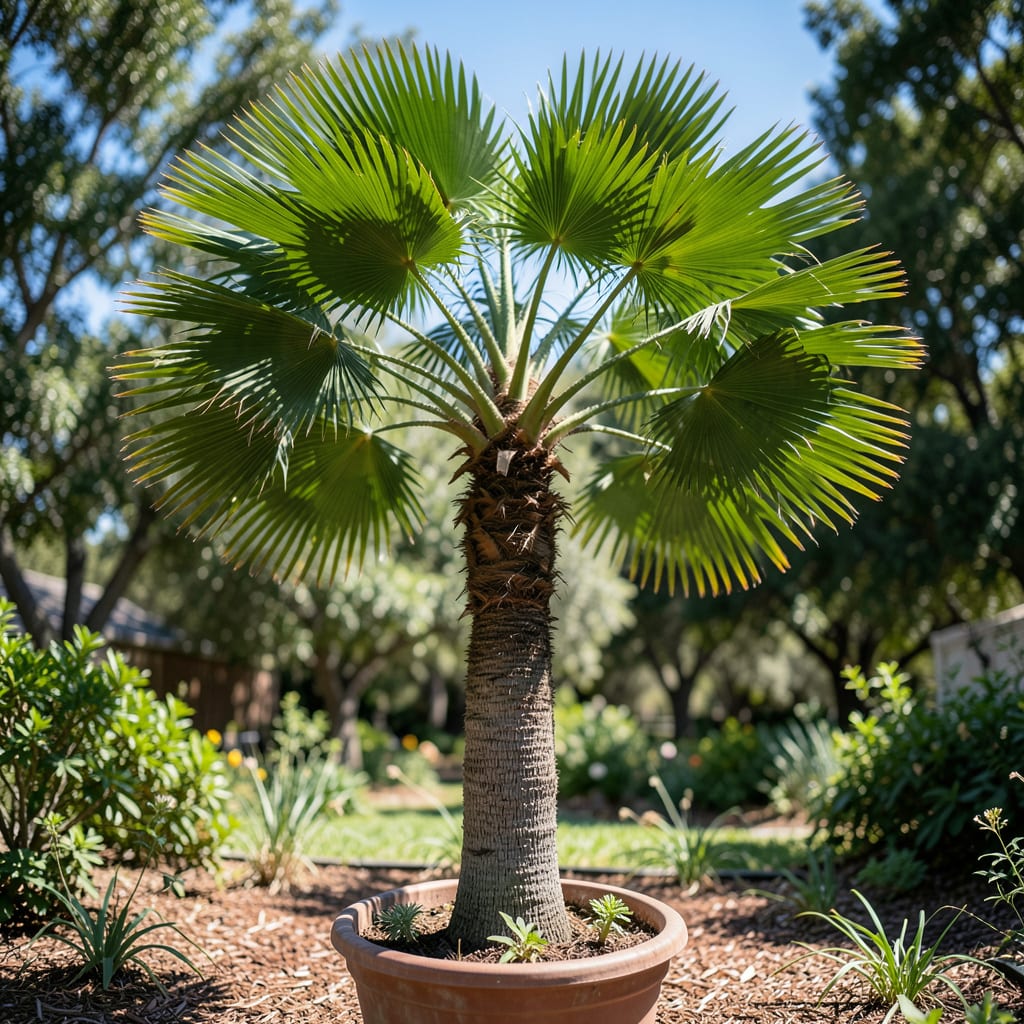
As I gaze at the majestic Sabal Palm 🌴 in my landscape, I’m often asked: how tall do these stunning trees really grow? Understanding their growth potential is crucial for effective landscape planning, especially in USDA Zone 6 where they can thrive.
Sabal Palms can reach heights of 40 feet or more under ideal conditions. Their growth rate and maximum height depend on various factors, including soil quality, climate, and maintenance. Let’s explore what you need to know to make informed decisions about these beautiful trees.


Sabal palms are known for their impressive height, which can range from 15 to 40 feet tall. The average mature height is typically around 30 feet, making them a significant presence in any landscape 🌴.
The maximum height of Sabal palms is influenced by various factors, including soil quality, climate conditions, and maintenance practices. Understanding these factors is crucial for gardeners and landscapers who want to optimize the growth of these majestic trees.
Sabal palms are considered slow-growing trees, especially when young. They typically grow about 1-2 feet per year under optimal conditions. The growth rate can be influenced by factors such as soil quality, watering, and fertilization.
In the first year, Sabal palms usually grow around 2 feet. By the third year, they can reach heights of up to 8 feet, demonstrating their potential for significant growth over time.
To achieve their maximum height potential, Sabal palms require full sun and well-draining soil. They are relatively drought-tolerant once established but benefit from regular watering during their early growth stages.
The growth pattern of Sabal palms is characterized by a single trunk that grows taller over time, topped with a crown of large, fan-shaped leaves. This distinctive appearance makes them a popular choice for landscaping in warm climates.
While Sabal palms can grow quite tall, their slow growth rate means they maintain their structural integrity over time. This makes them an excellent choice for landscapes where a tall, majestic tree is desired without the risk of rapid, unmanageable growth.
It’s worth noting that Sabal palms are native to the southeastern United States, where they have adapted to local climate conditions. Their natural growth habits in these regions provide valuable insights into their potential height and growth patterns in cultivated landscapes.
For gardeners and landscapers, understanding the growth expectations of Sabal palms is essential for planning and maintenance. By providing the right conditions and care, these trees can thrive and reach their full height potential, adding beauty and character to any landscape 🌿.
In conclusion, Sabal palms are remarkable trees with significant growth potential. Their ability to reach heights of up to 40 feet makes them a striking feature in any landscape, and with proper care, they can achieve their maximum height and provide years of enjoyment and beauty.
Understanding the factors that affect Sabal palm height and growth rate is crucial for gardeners and landscapers. Several environmental and cultural factors influence how tall these majestic trees can grow 🌴.
The growth rate of Sabal palms is influenced by various factors, including soil quality, climate conditions, and maintenance practices. Let’s explore these factors in more detail.
Sabal palms require specific conditions to reach their maximum height potential. Understanding these conditions is essential for optimal growth.
Soil quality plays a significant role in determining the height and growth rate of Sabal palms. They prefer well-draining soil with a slightly acidic to neutral pH. Poor soil conditions can limit their growth potential.
Climate conditions also impact Sabal palm growth. They thrive in warm climates with full sun and are relatively drought-tolerant once established. However, extreme weather conditions can affect their growth rate.
Maintenance practices, such as watering and fertilization, are crucial for optimal growth. Regular watering during early growth stages and balanced fertilization can promote healthy growth and maximize height potential.
In addition to these factors, pruning and pest management are essential maintenance practices. Pruning dead or damaged leaves helps maintain the tree’s appearance and promotes healthy growth, while pest management protects against potential threats.
By understanding and managing these factors, gardeners and landscapers can optimize the growth of Sabal palms and help them reach their full height potential.
Sabal palms are known for their resilience and ability to thrive in challenging conditions. With proper care and maintenance, they can become a stunning feature in any landscape 🌿.
In summary, the height and growth rate of Sabal palms are influenced by a combination of environmental and cultural factors. By providing the right conditions and care, these trees can achieve their maximum height potential and provide years of enjoyment and beauty.
When incorporating mature Sabal palms into landscape design, it’s essential to consider their full height potential. These majestic trees can grow up to 40 feet tall, making them a significant presence in any landscape 🌴.
To effectively integrate Sabal palms into your landscape, you need to understand their mature size and growth habits. This knowledge will help you create a balanced and visually appealing outdoor space.
When planting Sabal palms, ensure they have enough space to grow to their mature height without obstructing power lines or nearby structures.
One of the primary considerations when landscaping with mature Sabal palms is their placement. These trees require full sun to thrive, so choose a location that receives direct sunlight for at least 6 hours a day.
Another crucial factor is soil quality. Sabal palms prefer well-draining soil with a slightly acidic to neutral pH. Ensuring the soil meets these conditions will help promote healthy growth and maximize the tree’s height potential.
Maintenance practices are also vital when caring for mature Sabal palms. Regular watering during dry spells and fertilization can help maintain the tree’s health and appearance.
In addition to these factors, consider the mature canopy of the Sabal palm when designing your landscape. These trees can develop a large crown of fan-shaped leaves, which can provide shade and create a dramatic visual effect.
By understanding the growth potential and landscaping considerations for mature Sabal palms, you can create a beautiful and functional outdoor space that showcases these majestic trees 🌿.
In summary, incorporating mature Sabal palms into your landscape design requires careful planning and consideration of their full height potential. With proper placement, soil conditions, and maintenance, these trees can thrive and become a stunning feature in your outdoor space.
Sabal palms typically grow to be around 30 feet tall, but they can range from 15 to 40 feet depending on the conditions. Proper care and ideal growing conditions can help them reach their maximum height potential.
Sabal palms are considered slow-growing trees, especially when they’re young. They usually grow about 1-2 feet per year under optimal conditions. In the first year, they typically grow around 2 feet, and by the third year, they can reach heights of up to 8 feet.
Several factors influence the height of Sabal palms, including soil quality, climate conditions, and maintenance practices. They prefer well-draining soil and full sun to thrive. Regular watering and fertilization can also promote healthy growth.
Sabal palms are native to the southeastern United States and thrive in warm climates. They’re relatively drought-tolerant once established but benefit from regular watering during their early growth stages. They can grow well in USDA Zone 6 with proper care.
