
Beautiful Plants For Your Interior
Beautiful Plants For Your Interior
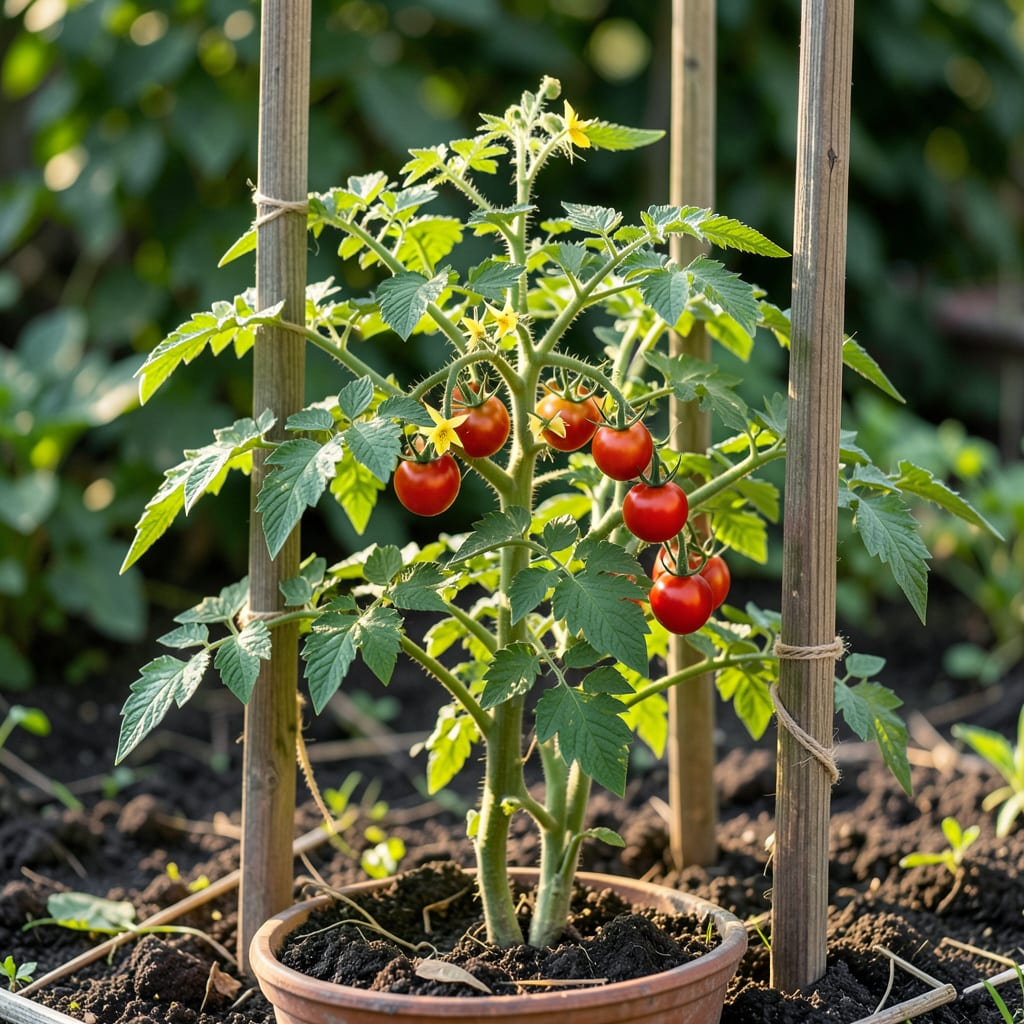
Growing Rutgers tomato plants 🍅 can be a rewarding experience, but understanding their growth habits is key to maximizing your harvest. These plants are known for their productivity and rich flavor, making them a favorite among gardeners in USDA Zone 6.
So, how tall can you expect your Rutgers tomato plants to grow? Let’s explore their growth patterns and what you can do to support them as they reach their full potential.


Rutgers tomato plants are known for their indeterminate growth habit, meaning they will continue to grow and produce fruit throughout the season. These plants typically reach heights between 5 to 6 feet, with some vigorous specimens growing even taller under optimal conditions.
The growth pattern of Rutgers tomatoes is characterized by a central leader that continues to grow, producing lateral branches that bear fruit. This growth habit requires proper support to maximize yield and prevent the plants from becoming too sprawling.
The mature height of Rutgers tomato plants is typically between 5 to 6 feet, which is considered standard for indeterminate varieties. This height range allows for ample fruit production while still being manageable with proper support.
Several factors can influence the final height of Rutgers tomato plants, including soil quality, sunlight exposure, and nutrient availability. Plants grown in rich, well-draining soil with adequate sunlight tend to reach their full height potential.
Support systems play a crucial role in managing the height of Rutgers tomato plants. Using tall tomato cages or sturdy trellises can help support the plants as they grow, keeping them upright and promoting better fruit production.
It’s worth noting that while Rutgers tomatoes can grow quite tall, pruning and training can help control their height and promote a more bushy growth habit. Removing suckers (the shoots that grow between the main stem and a branch) can help direct the plant’s energy towards fruit production.
In optimal growing conditions, with full sun and consistent moisture, Rutgers tomato plants can reach their maximum height and produce a bountiful harvest. Regular fertilization with a balanced fertilizer can also support healthy growth and fruiting.
Understanding the growth patterns of Rutgers tomato plants is essential for planning your garden layout and ensuring you provide the necessary support for these productive plants. By giving them the right conditions and care, you can enjoy a generous harvest of delicious tomatoes throughout the growing season.
For gardeners in USDA Zone 6, where Rutgers tomatoes thrive, the growing season typically allows for ample time for these plants to reach their full height and produce multiple harvests.
The indeterminate nature of Rutgers tomatoes means that they will continue to grow and produce new fruiting branches throughout the season, making them a great choice for gardeners who want a continuous supply of fresh tomatoes.
By providing the right support and care, you can maximize the height and productivity of your Rutgers tomato plants, enjoying a bountiful harvest of delicious, homegrown tomatoes.
Rutgers tomato plants require specific conditions to reach their full height potential of 5-6 feet. Understanding these factors helps gardeners maximize their harvest and plan their garden space effectively.
The height of Rutgers tomato plants is influenced by several key factors, including soil quality, support systems, and overall plant care. Let’s explore these elements in more detail.
These factors work together to create optimal growing conditions for Rutgers tomato plants. By focusing on soil preparation, proper support, and regular care, gardeners can help their plants reach their full height potential and enjoy a bountiful harvest.
For gardeners in USDA Zone 6, where Rutgers tomatoes thrive, the growing season typically allows for ample time for these plants to reach their full height and produce multiple harvests. Proper care during the spring planting season sets the stage for a successful harvest in summer.
By understanding and managing these key factors, gardeners can maximize their Rutgers tomato plant’s height and productivity, enjoying a generous harvest of delicious, homegrown tomatoes throughout the growing season 🌼.
The indeterminate growth habit of Rutgers tomatoes means they require consistent care and support throughout the growing season. Regular monitoring and maintenance help ensure these plants reach their full potential.
With proper care and attention to the factors that influence their height, Rutgers tomato plants can become a productive and rewarding addition to any garden, providing fresh tomatoes for months to come 🍅.
When growing Rutgers tomato plants, understanding how to manage their growth is crucial for maximizing space and ensuring a bountiful harvest. These plants can grow quite tall, typically reaching heights of 5 to 6 feet, so proper support and care are essential.
To make the most of your garden space, consider using tall tomato cages or sturdy trellises. These support systems help keep the plants upright and promote better fruit production by allowing the plants to grow vertically rather than sprawling on the ground.
Prune your Rutgers tomato plants by removing suckers to direct energy towards fruit production and control plant height. This simple technique can significantly improve your harvest.
In addition to providing support, pruning is a key technique for managing the growth of Rutgers tomato plants. By removing suckers, you can help control the plant’s height and encourage a more bushy growth habit, which can lead to more fruiting branches and a higher overall yield.
Regular monitoring of your plants is also important. Check for signs of disease or pests, and ensure that the plants are receiving adequate water and nutrients. Consistent moisture and balanced fertilization can support healthy growth and fruiting.
For gardeners in USDA Zone 6, the growing season for Rutgers tomatoes typically allows for ample time for the plants to reach their full height and produce multiple harvests. By following these tips, you can maximize your garden space and enjoy a bountiful harvest of delicious, homegrown tomatoes 🌼.
By implementing these strategies, you can effectively manage the growth of your Rutgers tomato plants, making the most of your garden space and enjoying a productive growing season 🍅.
Rutgers tomato plants are known for their indeterminate growth habit and typically reach heights between 5 to 6 feet. Some vigorous specimens can grow even taller under optimal conditions. Proper support is essential to manage their height.
Several factors can influence the final height of Rutgers tomato plants, including soil quality, sunlight exposure, and nutrient availability. Plants grown in rich, well-draining soil with adequate sunlight tend to reach their full height potential. Regular fertilization also supports healthy growth.
Using tall tomato cages or sturdy trellises can help support Rutgers tomato plants as they grow, keeping them upright and promoting better fruit production. Proper support prevents plants from becoming too sprawling and helps manage their height.
Yes, pruning can help control the height of Rutgers tomato plants. Removing suckers (the shoots that grow between the main stem and a branch) directs the plant’s energy towards fruit production and can help maintain a more manageable height. This technique also encourages a bushier growth habit.
