
Beautiful Plants For Your Interior
Beautiful Plants For Your Interior
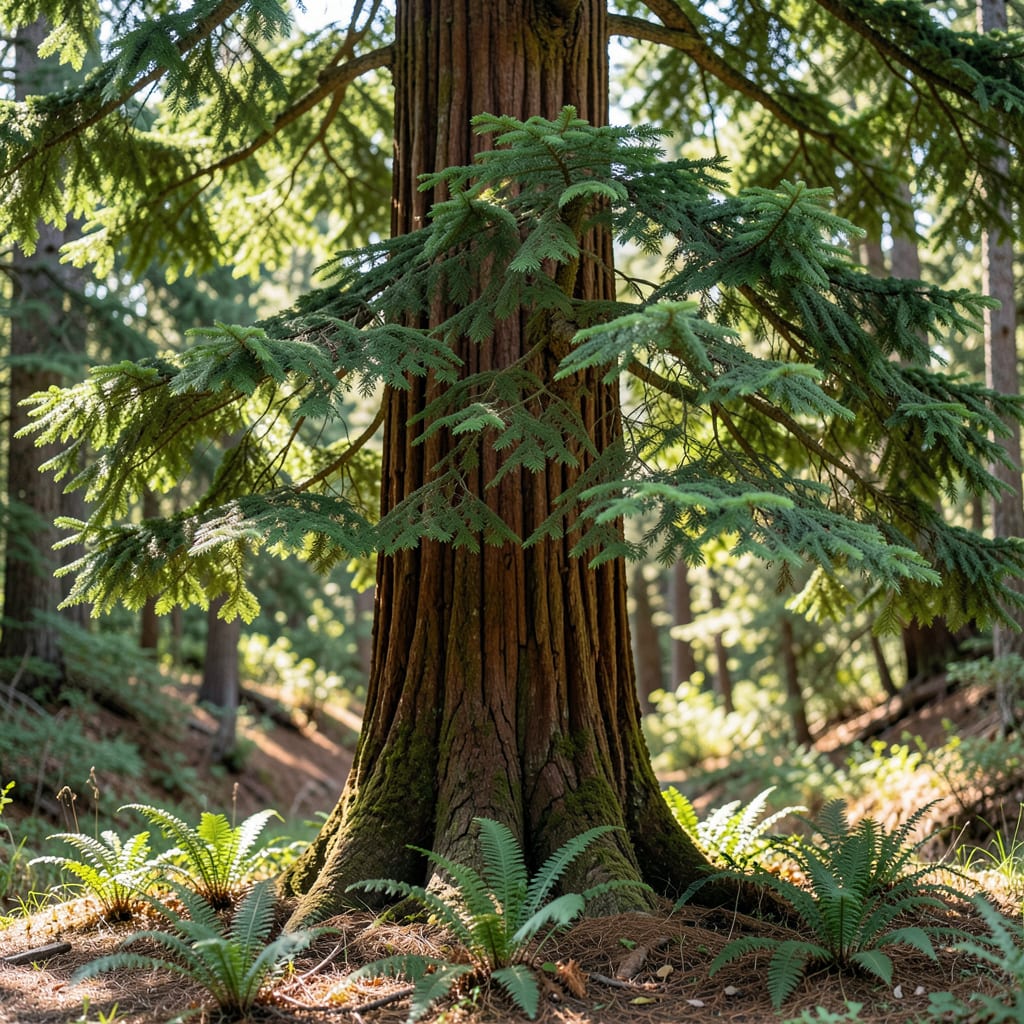
Redwoods are nature’s skyscrapers, with some trees reaching astonishing heights that rival the tallest buildings in the world 🌲. These magnificent giants can be found in specific regions, particularly thriving in USDA Zone 6 and similar climates.
I’m excited to share with you the fascinating facts about redwood growth, including their average height, growth rate, and the factors that influence their towering stature. Let’s explore the world of these incredible trees together.


Redwoods are known for their extraordinary height, with some trees reaching over 380 feet tall 🌲. The tallest redwood ever recorded is a coast redwood named Hyperion, standing at an incredible 380.1 feet. This remarkable height is a result of various factors, including the tree’s age, genetics, and environmental conditions.
To understand the significance of redwood heights, let’s examine some key facts about these trees. The average height of a mature redwood is around 200-300 feet, with some species growing taller than others.
The height of redwoods is influenced by several factors, including climate, soil quality, and genetics. Redwoods thrive in coastal foggy environments where the climate is mild and humid.
Redwoods can live for over 2,000 years, allowing them to grow to incredible heights over time. Their growth rate is relatively fast, especially when they are young, with some trees growing 3-5 feet per year.
The tallest redwoods are typically found in protected areas, such as national parks, where they are shielded from human impact and can grow undisturb.
Some of the key factors that affect redwood height include soil moisture, nutrient availability, and temperature. Redwoods require consistent moisture and cool temperatures to thrive.
Understanding the factors that contribute to redwood height can help us appreciate these natural wonders and work towards their conservation. By studying the growth habits of redwoods, we can gain insights into how to protect and preserve these incredible trees for future generations.
Redwoods continue to fascinate scientists and nature enthusiasts alike with their remarkable height and longevity. As we learn more about these trees, we can better appreciate their importance in the ecosystem and work towards preserving their place in our natural world 🌲.
The study of redwoods and their growth habits is an ongoing area of research, with scientists continually discovering new information about these incredible trees. As our understanding of redwoods grows, so too does our appreciation for their natural beauty and ecological significance.
Redwood growth and height are influenced by several key factors. Understanding these factors can help us appreciate the remarkable size of these trees 🌲. The primary factors affecting redwood growth include climate, soil quality, and genetics.
Redwoods thrive in coastal foggy environments where the climate is mild and humid. The fog provides moisture and helps maintain a stable temperature, which is ideal for redwood growth. In these conditions, redwoods can grow 3-5 feet per year, especially when they are young.
Redwoods require specific conditions to reach their maximum height, including mild temperatures, high humidity, and consistent moisture.
Soil quality is another critical factor in redwood growth. Redwoods prefer deep, well-drained soil that is rich in nutrients. The soil should be moist but not waterlogged, as redwoods are sensitive to root rot.
Genetics also play a significant role in determining the height of redwoods. Some species are naturally taller than others, and individual trees within a species can vary in their growth potential.
In addition to these factors, protection from human impact is crucial for redwoods to reach their full height. Trees in protected areas, such as national parks, are more likely to grow to their maximum potential.
By understanding the factors that influence redwood growth, we can better appreciate these incredible trees and work towards their conservation. This knowledge can also inform strategies for managing and protecting redwood forests.
Redwoods continue to fascinate scientists and nature enthusiasts alike with their remarkable height and longevity. As we learn more about these trees, we can gain a deeper appreciation for their importance in the ecosystem 🌲.
Redwoods are known for their impressive heights, but different species and locations can significantly affect their growth 🌲. The main species of redwoods are coast redwoods and giant sequoias, each with unique characteristics and growth patterns.
Coast redwoods are generally taller than giant sequoias, with some individuals reaching heights of over 380 feet. Giant sequoias, on the other hand, are known for their massive trunk volume and can live for over 3,000 years.
The location of redwoods also plays a crucial role in their height. Coast redwoods thrive in the foggy coastal regions of Northern California, where the climate is mild and humid. Giant sequoias, on the other hand, are found in the Sierra Nevada mountains, where the soil and climate conditions are different.
Understanding the differences between redwood species and their growth environments can help us appreciate these trees’ unique characteristics. By studying the growth habits of different redwood species, we can gain insights into how to better conserve and manage these incredible trees 🌲.
Redwoods continue to fascinate scientists and nature enthusiasts alike with their remarkable height and longevity. As we learn more about these trees, we can gain a deeper appreciation for their importance in the ecosystem.
The study of redwoods and their growth habits is an ongoing area of research, with scientists continually discovering new information about these incredible trees. As our understanding of redwoods grows, so too does our appreciation for their natural beauty and ecological significance.
The tallest redwood ever recorded is a coast redwood named Hyperion, standing at 380.1 feet tall. This remarkable height is a result of various factors, including the tree’s age, genetics, and environmental conditions .
Redwoods can grow 3-5 feet per year, especially when they are young. This rapid growth rate allows them to reach incredible heights over time. Factors like climate, soil quality, and genetics influence their growth rate .
The average height of a mature redwood is around 200-300 feet. While some species grow taller than others, this range gives you an idea of just how massive these trees can be .
Yes, different species of redwoods can grow to varying heights. Coast redwoods are generally taller than giant sequoias, with some individuals reaching heights of over 380 feet. Giant sequoias, on the other hand, are known for their massive trunk volume .
