
Beautiful Plants For Your Interior
Beautiful Plants For Your Interior
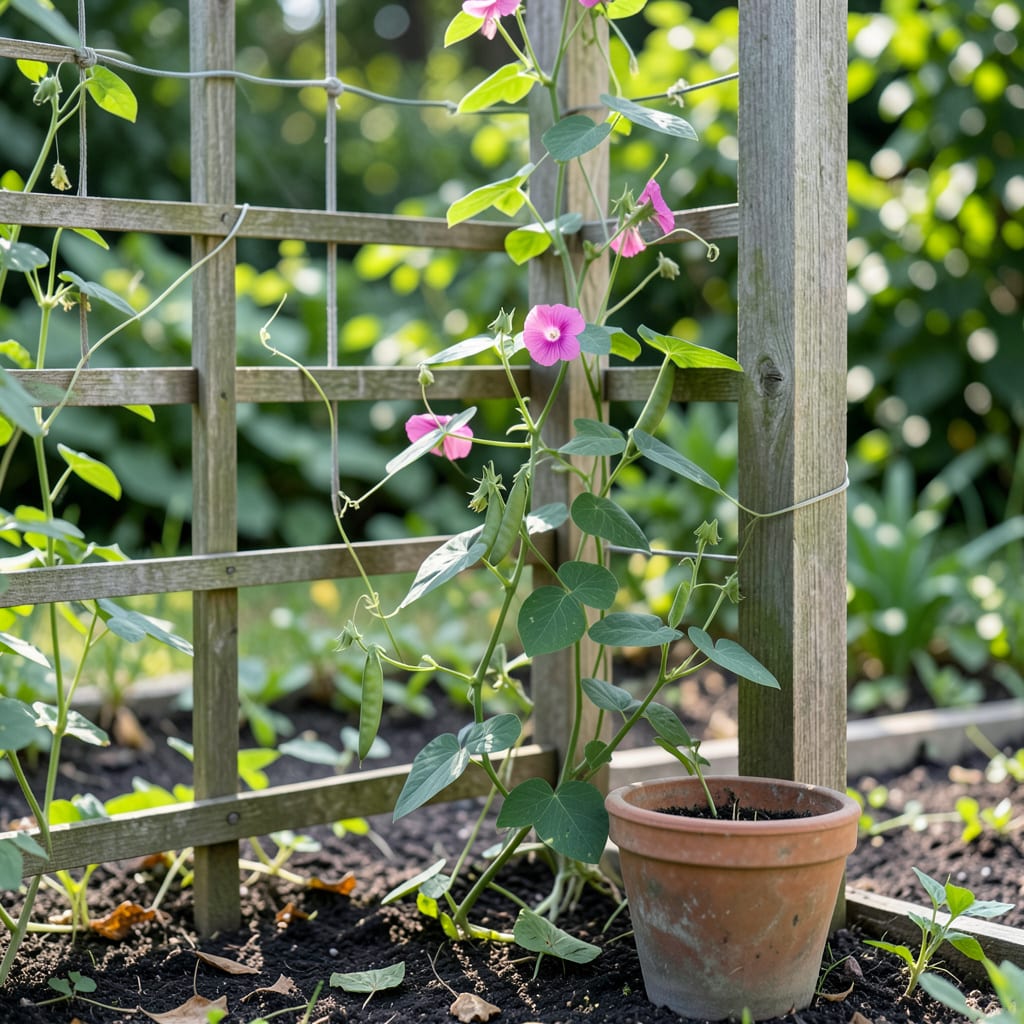
When growing Purple Hull Peas 🟢, understanding their height is crucial for planning your garden space. These spring favorites can grow quite tall, requiring proper support to maximize their yield.
In USDA Zone 6, you can expect Purple Hull Peas to reach heights between 3-5 feet, making them a great choice for vertical gardening. Let’s explore how to make the most of their growth habits.


Purple Hull Peas are a popular Southern favorite that can grow quite tall, typically reaching heights between 3-5 feet. Understanding their growth habits is crucial for maximizing your harvest and planning your garden space effectively.
The height of Purple Hull Peas can vary depending on the specific variety and growing conditions. Factors such as soil quality, sunlight, and support systems all play a role in determining the final height of the plants.
The dwarf varieties of Purple Hull Peas typically grow to be 2-3 feet tall, while the standard varieties can reach heights of 4-5 feet. Providing the right support is essential for maximizing yield and keeping the plants healthy.
In terms of growing conditions, Purple Hull Peas prefer full sun and well-draining soil. They thrive in USDA Zone 6, where they can be planted in early spring.
To make the most of your Purple Hull Pea crop, it’s essential to understand their growth habits and provide the right support. With proper care and attention, you can enjoy a bountiful harvest of delicious peas 🌿.
Purple Hull Peas are a type of legume that is not only delicious but also beneficial for the soil. They have the ability to fix nitrogen, making them a great addition to any garden rotation.
When planting Purple Hull Peas, it’s essential to provide them with the right support system. This can include trellises, stakes, or other forms of support to help the plants grow upright and produce a maximum yield.
In addition to their height, Purple Hull Peas are also known for their hardiness and ability to thrive in a variety of conditions. They are a great choice for gardeners of all skill levels, from beginners to experienced growers.
By understanding the growth habits of Purple Hull Peas and providing the right care, you can enjoy a successful harvest and make the most of your garden space. Whether you’re growing them for fresh eating or for canning, Purple Hull Peas are a great choice for any gardener 🌼.
When growing Purple Hull Peas, providing the right support is crucial for maximizing yield and keeping the plants healthy. These climbing peas need something to grow on to reach their full potential.
There are several options for supporting Purple Hull Peas, including trellises, stakes, and fencing. The key is to provide a structure that allows the peas to climb and grow upwards.
When using a trellis, make sure it’s at least 5 feet tall to accommodate the full height of the peas. You can use materials like wood, metal, or plastic to create a sturdy structure.
For smaller gardens or individual plants, stakes can be an effective option. Simply place a stake near the base of the plant and gently tie the stem to the stake as it grows 🌿.
In addition to providing support, it’s essential to keep the area around your Purple Hull Peas weed-free and well-watered. This will help prevent competition for nutrients and ensure healthy growth.
By providing the right support and care, you can enjoy a bountiful harvest of delicious Purple Hull Peas. With their climbing habit and nitrogen-fixing abilities, these peas are a great addition to any garden 🌼.
When growing Purple Hull Peas, maximizing space is crucial for a successful harvest. These climbing peas can grow quite tall, typically reaching heights between 3-5 feet, and require proper support to thrive.
One effective way to maximize space is through companion planting. By planting complementary vegetables and herbs alongside your Purple Hull Peas, you can create a diverse and thriving garden ecosystem.
Consider using vertical gardening techniques to make the most of your space. Trellises, arbors, and other supports can help train your Purple Hull Peas to grow upwards, freeing up valuable ground space for other crops.
Vertical gardening is another excellent strategy for maximizing space. By training your Purple Hull Peas to grow upwards, you can increase yields while reducing the overall footprint of your garden.
When planning your garden, be sure to consider crop rotation to maintain soil health and prevent pests and diseases from building up. Purple Hull Peas are legumes that fix nitrogen in the soil, making them an excellent rotation crop for many vegetables.
In addition to these strategies, proper spacing is essential for healthy growth and maximum yields. Plant your Purple Hull Peas about 2-3 inches apart and provide adequate support as they grow.
By implementing these space-saving techniques, you can enjoy a bountiful harvest of delicious Purple Hull Peas while making the most of your garden space 🌼.
For optimal results, consider combining these strategies with other best practices for growing Purple Hull Peas, such as providing full sun and well-draining soil. With the right care and attention, you can enjoy a successful harvest and make the most of your garden 🌿.
Purple Hull Peas usually grow between 3-5 feet tall, with dwarf varieties reaching 2-3 feet and standard varieties reaching 4-5 feet. Providing support is essential for maximizing yield. Proper care includes ensuring they receive full sun and are planted in well-draining soil.
Purple Hull Peas are climbing plants that require support to grow upright. You can use trellises, stakes, or fencing to provide the necessary structure. A trellis should be at least 5 feet tall to accommodate their full height. This support helps maximize yield and keeps plants healthy.
In USDA Zone 6, the best time to plant Purple Hull Peas is in early spring, about 2-4 weeks before the last frost when the soil temperature reaches 45-50°F. This timing allows for optimal growth and yield. Proper timing is crucial for a successful harvest.
Purple Hull Peas need consistent moisture, especially when they’re producing pods. Water them every 2-3 days, ensuring they receive about 1 inch of water per week. Adjust based on weather conditions to avoid drought. Regular watering promotes healthy growth and maximizes yield.
