
Beautiful Plants For Your Interior
Beautiful Plants For Your Interior
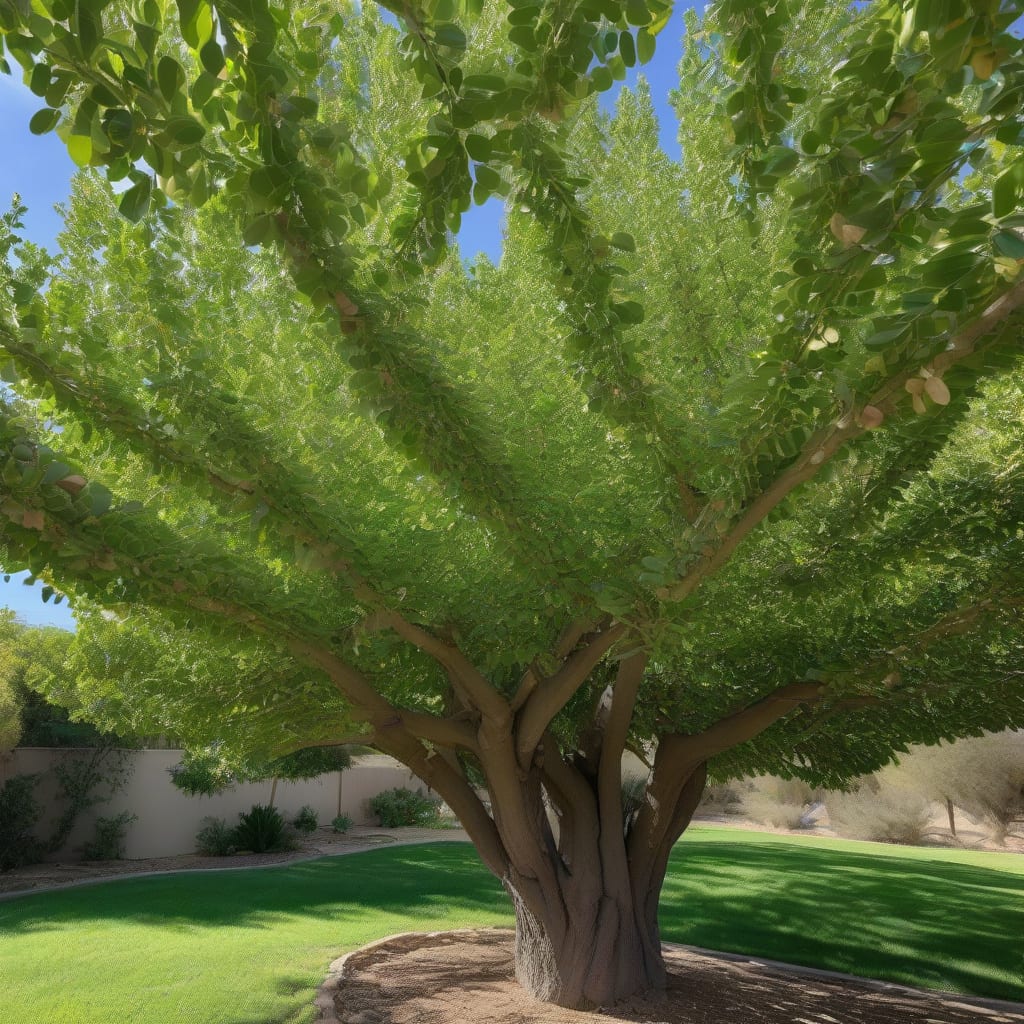
When considering adding a Pistachio Tree 🌳 to your garden or orchard, understanding its growth potential is crucial. These trees can grow quite tall, reaching heights that require careful planning and maintenance.
In USDA Zone 6, you can expect your Pistachio Tree to grow between 15 to 30 feet tall. Proper pruning and training techniques will be essential to manage their size and optimize production.


Pistachio trees are known for their impressive growth and can reach significant heights when properly cared for. The typical height range for mature pistachio trees varies between 15 to 30 feet, with some cultivars growing even taller under optimal conditions 🌳.
In USDA Zone 6, you can expect your pistachio tree to grow within this range. Factors such as soil quality, climate, and pruning practices play crucial roles in determining the final height of your tree.
The growth rate of pistachio trees is influenced by factors like climate, soil quality, and available sunlight. Generally, these trees grow at a moderate rate of 1-2 feet per year. Understanding these growth characteristics helps in planning the orchard layout and maintenance strategies.
Proper care, including regular watering, fertilization, and pruning, can significantly impact the health and productivity of pistachio trees. Regular monitoring of tree health and adjusting care practices accordingly will help achieve optimal growth and nut production 🌿.
Pistachio trees not only provide shade with their spreading canopy but also produce valuable nuts. Their size and spread make them suitable for larger gardens or commercial orchards where space is available for their full development.
When planting pistachio trees, it’s essential to consider their mature size to ensure adequate spacing between trees. This spacing helps in maintaining air circulation, reducing disease risk, and facilitating easier harvesting and maintenance.
In addition to their size, pistachio trees are known for their drought tolerance and ability to thrive in challenging conditions. This makes them a popular choice for cultivation in regions with limited water resources.
Understanding the growth habits of pistachio trees is the first step in successful cultivation. By providing the right conditions and care, you can enjoy a bountiful harvest of delicious pistachios for years to come.
Regular pruning is essential to manage the height and shape of pistachio trees. Pruning helps maintain a balanced structure, promotes healthy growth, and enhances nut production.
As your pistachio trees grow, continued care and attention will ensure they remain healthy and productive. Monitoring for pests and diseases, along with appropriate fertilization, will support their ongoing development.
The height of pistachio trees can be influenced by several environmental and cultivation factors. Understanding these factors is crucial for managing tree height and optimizing production.
Some of the key factors that affect how tall pistachio trees grow include climate, soil quality, pruning practices, and rootstock. Each of these elements plays a significant role in determining the ultimate height of a pistachio tree 🌳.
Soil quality is another critical factor. Pistachio trees prefer well-draining soil rich in organic matter. Testing your soil pH and adjusting levels as needed can help promote healthy tree growth.
Climate plays a significant role in determining the height of pistachio trees. Pistachio trees thrive in warm, dry climates with long growing seasons. Areas with mild winters and hot summers are ideal for pistachio cultivation.
Soil quality is another critical factor that affects the height of pistachio trees. Pistachio trees prefer well-draining soil rich in organic matter. Testing your soil pH and adjusting levels as needed can help promote healthy tree growth.
Pruning practices also play a significant role in managing pistachio tree height. Regular pruning can help control tree size, promote better air circulation, and increase sunlight penetration, all of which contribute to healthier trees and higher yields.
By understanding these factors and implementing effective management strategies, you can optimize tree height for better production and enjoy a bountiful harvest of delicious nuts.
For more information on growing pistachio trees, you can visit resources such as the Royal Horticultural Society or your local extension office for guidance tailored to your area’s specific climate and conditions.
Proper management of pistachio tree height is crucial for achieving optimal production. By controlling tree height, you can improve air circulation, increase sunlight penetration, and make harvesting easier 🌳.
Regular pruning is essential for managing pistachio tree height. Pruning helps control tree size, promotes healthier trees, and increases yields. It’s best to prune your pistachio trees during the dormant season, typically in late winter or early spring.
Evaluate your tree’s structure to identify branches that need pruning.
Cut off any dead or diseased branches to prevent damage to the rest of the tree.
Thin out the center of the tree to improve air circulation and sunlight penetration.
By following these pruning techniques and maintaining a regular pruning schedule, you can effectively manage your pistachio tree’s height and optimize production.
For more detailed information on pruning and training pistachio trees, consider consulting resources like the Royal Horticultural Society or your local extension office for guidance tailored to your area’s specific climate and conditions 🌳.
