
Beautiful Plants For Your Interior
Beautiful Plants For Your Interior
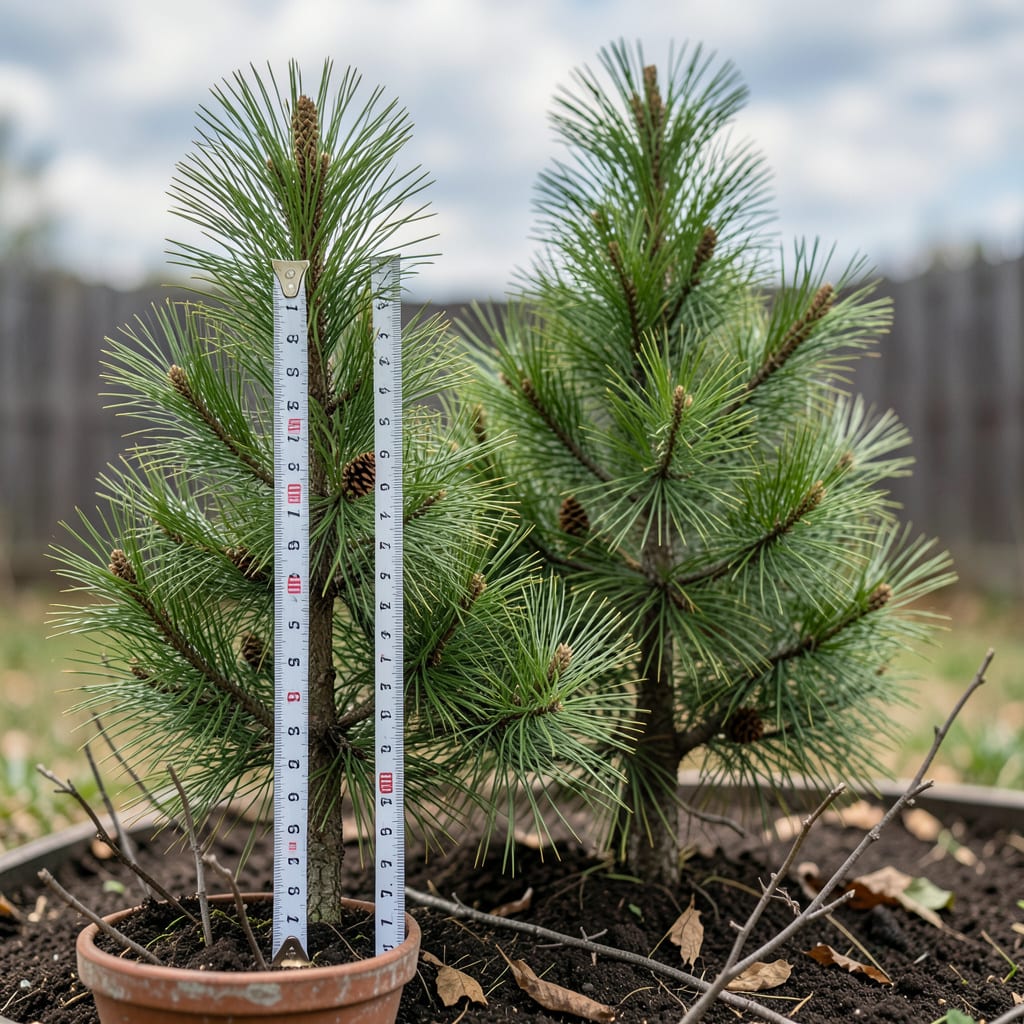
As I stand before a majestic Pine Tree 🌲, I’m always amazed by its potential for growth. Growing in USDA Zone 6a, these trees can add significant height each year under the right conditions.
Understanding how tall Pine Trees grow annually is crucial for effective landscaping and forest management. Let’s explore the factors that influence their growth rates and what you can expect from these magnificent trees.


The annual growth rate of Pine Trees is influenced by several key factors that every landowner and gardener should understand. Climate conditions play a crucial role, with temperature and precipitation patterns directly affecting growth. Soil quality is another critical factor, as it determines nutrient availability and water retention capabilities.
Different pine species exhibit varying growth rates, making species selection important for specific landscaping needs. Environmental conditions such as sunlight exposure and water availability also significantly impact growth. Let’s examine these factors in more detail to understand their impact on Pine Tree growth.
Understanding these factors helps in making informed decisions about Pine Tree cultivation. For instance, Soil quality can be improved through fertilization and mulching, while climate conditions can be mitigated through proper tree placement and care.
Let’s explore how these factors specifically affect Pine Tree growth in different regions. The USDA Zone 6a climate presents unique challenges and opportunities for Pine Tree cultivation. By examining these factors closely, we can better predict and manage Pine Tree growth 🌱.
Different regions have different challenges when it comes to Pine Tree growth. Understanding local climate patterns and soil conditions is essential for successful cultivation. This knowledge allows for better planning and maintenance strategies.
The growth rate of Pine Trees can also be influenced by environmental stressors such as pests and diseases. Managing these stressors is crucial for maintaining healthy growth rates. Regular monitoring and appropriate interventions can help mitigate these risks.
In addition to environmental factors, genetic variations among Pine Tree species contribute to differences in growth rates. Some species are naturally faster-growing than others. Selecting the right species for your specific needs is a critical decision.
By considering all these factors, you can create optimal conditions for your Pine Trees to thrive. Proper care and maintenance are key to achieving the best possible growth rates. This includes regular watering, appropriate fertilization, and protection from pests and diseases.
Effective Pine Tree cultivation requires a comprehensive understanding of the factors that influence growth. By focusing on soil quality, climate conditions, and species selection, you can optimize growth rates. This knowledge is invaluable for both commercial forestry operations and home gardeners.
In conclusion, the annual growth rate of Pine Trees is a complex trait influenced by multiple factors. By understanding and managing these factors, you can promote healthy growth and achieve your landscaping goals. Whether you’re a seasoned forester or a home gardener, this knowledge is essential for success 🌲.
Understanding the average annual height increase of different pine species is essential for effective landscaping and forestry management. Various pine species exhibit different growth rates, making it crucial to identify the specific characteristics of each 🌲.
The growth rates of pine trees can vary significantly based on the species. For instance, White Pine and Red Pine are known for their different growth patterns. Let’s examine these variations in more detail to better understand what to expect from different pine species.
The data presented in the table highlights the differences in growth rates among various pine species. For example, Loblolly Pine exhibits a significantly higher annual growth rate compared to White Pine. Understanding these differences is vital for selecting the right species for your landscaping needs 🌟.
When choosing pine species for landscaping or forestry, it’s essential to consider factors beyond just growth rate. Climate adaptability, soil tolerance, and disease resistance are also critical factors that can impact the success of your project.
Different pine species not only vary in their growth rates but also in their environmental requirements and tolerances. By understanding these characteristics, you can make more informed decisions about which species to plant in your specific conditions.
For instance, if you’re looking for a species that can grow quickly and thrive in a variety of conditions, Loblolly Pine might be an excellent choice. On the other hand, if you’re looking for a species with a more moderate growth rate, White Pine could be more suitable.
Ultimately, the choice of pine species will depend on your specific needs and goals. By considering the average annual height increase and other important characteristics, you can select the best species for your project and ensure its success 🌲.
To maximize pine tree growth, it’s essential to understand the optimal growing conditions and maintenance practices. Proper care can significantly impact the health and development of these trees 🌲.
First, let’s examine the key factors that influence pine tree growth. Soil quality and nutrient availability are critical for healthy development. Regular fertilization can help maintain optimal nutrient levels, promoting robust growth.
For optimal growth, ensure your pine trees receive adequate sunlight and water. Regular monitoring for pests and diseases is also crucial for maintaining healthy trees 🌟.
In addition to proper care, selecting the right pine species for your specific climate and soil conditions is vital. Different species have varying growth rates and environmental requirements, making species selection a critical decision.
When it comes to maintenance, pruning is an essential practice for promoting healthy growth and maintaining tree structure. Regular pruning can help remove dead or diseased branches, improving overall tree health 🌿.
Effective pine tree cultivation requires a comprehensive understanding of the factors that influence growth. By focusing on soil quality, nutrient availability, and proper maintenance, you can optimize growth rates and achieve your landscaping goals.
In conclusion, maximizing pine tree growth involves a combination of proper care, maintenance, and species selection. By following these tips and understanding the specific needs of your pine trees, you can promote healthy growth and enjoy the many benefits these trees provide 🌲.
Pine trees typically grow between 1-3 feet per year, depending on the species and environmental conditions. Some species like Loblolly Pine can grow up to 3-5 feet annually under optimal conditions. Proper care and maintenance can significantly impact growth rates. Regular fertilization and adequate watering can help maximize growth.
Climate conditions play a crucial role in pine tree growth, with temperature and precipitation patterns directly affecting development. Pine trees generally thrive in full sun and well-drained soil. Extreme weather conditions can stress trees and impact growth rates. Understanding local climate patterns is essential for successful cultivation.
Different pine species have varying maximum heights, ranging from 80 feet for White Pine to 100 feet for Red Pine and Loblolly Pine. The mature height depends on both genetic factors and growing conditions. Proper care can help trees reach their full potential height. Regular pruning and maintenance are also important.
To maximize pine tree growth, ensure they receive adequate sunlight and water. Regular fertilization with a balanced fertilizer can help maintain optimal nutrient levels. Proper pruning practices can also promote healthy growth and maintain tree structure. Monitoring for pests and diseases is crucial for maintaining healthy trees.
