
Beautiful Plants For Your Interior
Beautiful Plants For Your Interior
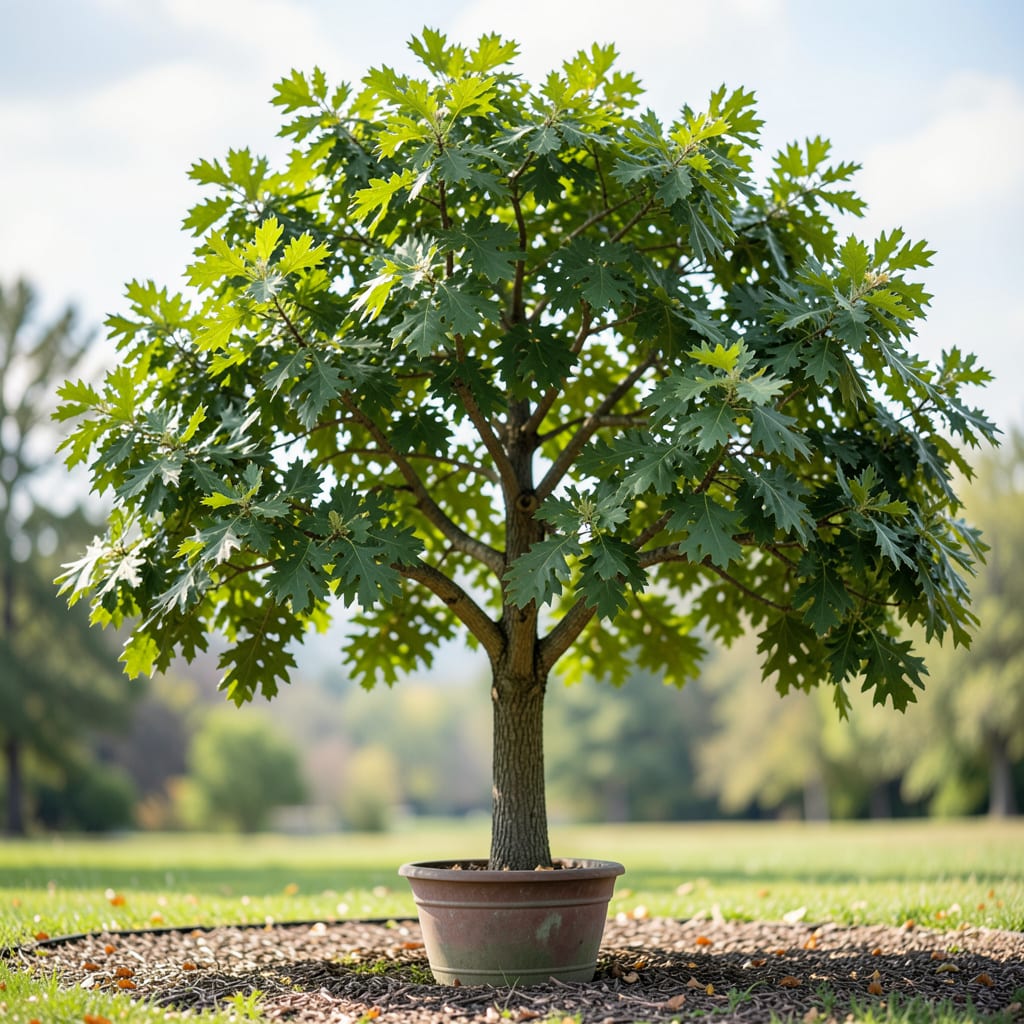
I’ve always been fascinated by the majestic Pin Oak 🌳 trees that dominate many landscapes. Their impressive canopy and vibrant fall colors make them a popular choice for homeowners.
But have you ever wondered just how tall these trees can grow? Understanding their height potential is crucial for proper garden planning, especially in USDA Zone 6 where they thrive.


I’ve found that several key factors influence the height growth of Pin Oak trees. Understanding these elements is crucial for gardeners and landscapers to make informed decisions about planting and caring for these magnificent trees 🌳.
The primary factors affecting Pin Oak height include soil quality, climate conditions, available space, and maintenance practices. Each of these elements plays a significant role in determining the maximum height a Pin Oak can achieve.
Soil quality is particularly important, as Pin Oaks prefer well-drained, acidic soils with a pH between 4.5 and 6.5. This allows for optimal nutrient exposure and healthy root development, directly influencing the tree’s height potential 🌿.
Climate conditions also significantly impact Pin Oak growth. These trees thrive in USDA Zone 6, where they can receive full sun to partial shade and adequate moisture throughout the growing season. Proper climate conditions enable Pin Oaks to reach their maximum height potential 🌻.
The available space around a Pin Oak is another critical factor. These trees require sufficient room for both root expansion and canopy growth. When planted in areas with ample space, Pin Oaks can grow taller and healthier, making them a great choice for large landscapes 🌳.
Maintenance practices such as regular watering, pruning, and fertilization are essential for promoting healthy growth and maximizing the height of Pin Oak trees. Proper care ensures that these trees can reach their full potential and remain robust throughout their lifespan 🌟.
By understanding and managing these factors, gardeners and landscapers can help Pin Oaks achieve their maximum height and enjoy their stunning beauty for years to come. The right combination of soil quality, climate conditions, available space, and maintenance practices is key to successful Pin Oak cultivation 🌱.
It’s worth noting that Pin Oaks are known for their slow to moderate growth rate, typically growing about 1-2 feet per year. This steady growth allows for a strong root system to develop, supporting the tree’s eventual height 🌿.
Overall, the height of a Pin Oak tree is a result of a combination of genetic and environmental factors. By providing the right conditions and care, these trees can thrive and reach impressive heights, making them a valuable addition to any landscape 🌳.
In conclusion, understanding the factors that influence Pin Oak height growth is essential for anyone looking to cultivate these trees. By focusing on soil quality, climate conditions, available space, and maintenance practices, gardeners can help their Pin Oaks achieve their full potential and enjoy their beauty for generations to come 🌟.
I’ve observed that Pin Oak trees can grow to impressive heights when given the right conditions. The maximum height of these trees is a crucial factor for gardeners and landscapers to consider 🌳.
On average, mature Pin Oak trees can reach heights between 60 to 70 feet, with some specimens growing even taller in ideal environments. Understanding the typical height range for these trees helps in planning landscapes effectively 📏.
In ideal conditions with ample space, proper soil, and adequate moisture, Pin Oaks can reach their maximum height potential of 70 feet or more 🌳.
Typically, Pin Oak trees grow to be between 60 to 70 feet tall, making them a substantial presence in any landscape 🌲.
Soil quality, climate conditions, and available space all play significant roles in determining the final height of a Pin Oak tree 🌿.
The height potential of Pin Oak trees is an important consideration for long-term landscape planning. These trees can live for over 100 years, so understanding their growth habits is essential for creating sustainable landscapes 🌳.
When planning your landscape, it’s crucial to consider the mature height of Pin Oaks to ensure they have enough space to grow without becoming too large for their surroundings 🏠.
Pin Oaks are known for their slow to moderate growth rate, which allows them to develop a strong root system. This steady growth supports their eventual height and longevity 🌿.
In conclusion, Pin Oak trees can grow to be quite tall, with mature heights typically ranging from 60 to 70 feet. By understanding their growth potential and providing the right conditions, gardeners can enjoy these majestic trees for generations to come 🌟.
I always consider the mature height of trees when planning landscapes, and Pin Oak trees are no exception. Their potential height of 60-70 feet can significantly impact garden design 🌳.
To manage Pin Oak height effectively, several strategies can be employed. These include careful pruning, selecting the right planting location, and implementing appropriate growth management techniques.
Regular pruning during the dormant season helps control height and maintain shape. Remove dead or crossing branches to promote healthy growth 🌿.
Pruning is a critical aspect of managing Pin Oak tree height. By removing select branches, you can control the overall size and shape of the tree. It’s best to prune during the dormant season to minimize stress on the tree 🔪.
The planting location is another crucial factor in managing Pin Oak height. Ensure that the tree has enough space to grow both upwards and outwards. Consider the tree’s mature size when placing it in your landscape to avoid future conflicts with structures or power lines 🏠.
Growth management strategies, such as regular watering and fertilization, can also impact the height of Pin Oak trees. Proper care ensures that the tree grows healthily and reaches its full potential 🌟.
By combining these strategies, you can effectively manage the height of your Pin Oak trees and create a beautiful, sustainable landscape.
In conclusion, managing Pin Oak tree height requires a combination of careful planning, regular maintenance, and appropriate growth management techniques. By following these tips, you can enjoy the beauty of your Pin Oak trees while maintaining a well-designed landscape 🌳.
Mature Pin Oak trees typically grow between 60 to 70 feet tall. In ideal conditions with ample space, proper soil, and adequate moisture, they can reach heights of 70 feet or more. The average height range makes them a substantial presence in any landscape .
Pin Oak trees are known for their slow to moderate growth rate, typically growing about 1-2 feet per year. This steady growth allows for a strong root system to develop, supporting the tree’s eventual height and longevity .
Yes, you can manage the height of your Pin Oak tree through regular pruning during the dormant season. Pruning helps control height and maintain shape by removing dead or crossing branches to promote healthy growth .
The height of Pin Oak trees is influenced by several factors, including soil quality, climate conditions, available space, and maintenance practices. Well-drained, acidic soils and full sun to partial shade promote healthy growth .
