
Beautiful Plants For Your Interior
Beautiful Plants For Your Interior
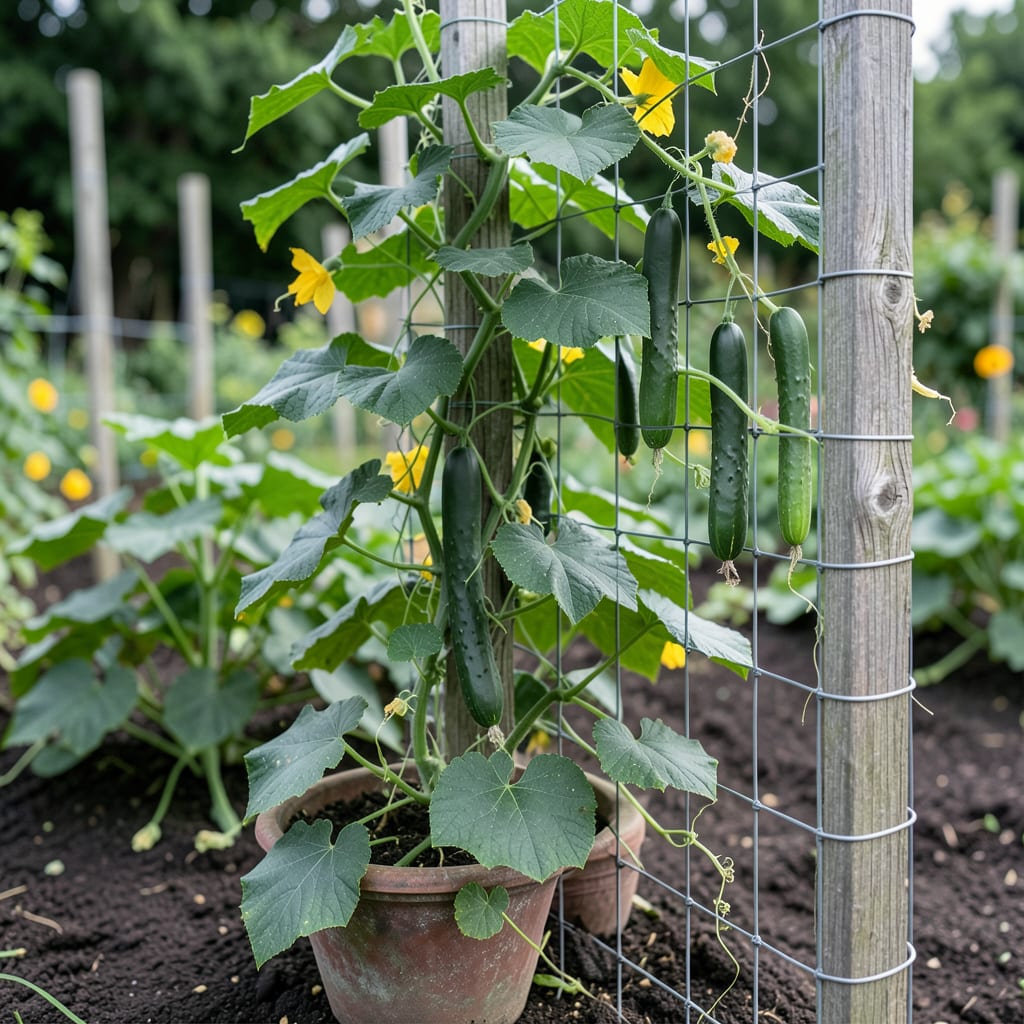
When growing Pickling Cucumber 🥒 plants, understanding their growth habits is crucial for a successful harvest. These climbing plants can grow quite tall, typically reaching heights of 3 to 6 feet, depending on the variety and growing conditions.
In USDA Zone 6, you can expect your Pickling Cucumber plants to thrive during the spring season, planted in April or May. Proper support and care will help them reach their full potential and maximize your yield.


Pickling cucumber plants are known for their vigorous climbing nature and can grow quite tall with proper support. The typical height range for these plants varies between 3 to 6 feet, making them suitable for vertical gardening.
The growth habits of pickling cucumber plants are influenced by factors such as variety, soil quality, and available sunlight. Understanding these factors is crucial for maximizing your harvest and ensuring healthy plant growth 🌱.
The height of pickling cucumber plants can be influenced by several factors including soil quality, sunlight exposure, and the type of support provided. Optimal growing conditions can help these plants reach their maximum height potential.
In USDA Zone 6, pickling cucumbers are typically planted in April or May after the last frost. Proper spacing and adequate support systems are essential for healthy growth and maximum yield.
Pickling cucumber plants are warm-season crops that thrive in temperatures between 65°F to 95°F. They require full sun exposure for at least 6 hours a day to produce a bountiful harvest.
Soil quality plays a significant role in the growth of pickling cucumber plants. They prefer well-draining, fertile soil rich in organic matter. Regular watering and fertilization are also crucial for optimal growth.
To maximize yield, it’s essential to provide the right growing conditions and support for your pickling cucumber plants. This includes ensuring they receive adequate sunlight, water, and nutrients.
By understanding the growth habits of pickling cucumber plants and providing the right care, you can enjoy a successful harvest of delicious pickling cucumbers 🥒.
The specific variety of pickling cucumber can also impact its growth height. Some varieties are bred to be more compact, while others are designed for maximum vertical growth.
Regular monitoring of your plants’ growth and adjusting your care routine accordingly can help achieve the best possible results.
The height of pickling cucumber plants is influenced by several key factors that gardeners need to consider for optimal growth. Understanding these elements can help you create the ideal conditions for your plants to thrive and reach their maximum height potential 🌿.
Soil quality plays a crucial role in determining the height of pickling cucumber plants. These plants prefer well-draining, fertile soil rich in organic matter. Ensuring your soil has the right composition can significantly impact the overall health and height of your cucumber plants.
To maximize the height of your pickling cucumber plants, focus on providing optimal growing conditions including proper soil quality, adequate sunlight, consistent watering, and appropriate support systems.
Sunlight exposure is another critical factor affecting the height of pickling cucumber plants. These plants require full sun for at least 6 hours a day to grow vigorously and reach their maximum height. Ensuring they receive sufficient sunlight is essential for healthy growth and maximizing yield.
Watering practices also significantly impact the growth and height of pickling cucumber plants. Consistent moisture is key, as these plants have high water needs. Watering them regularly, especially during dry spells, can help maintain their growth momentum.
The type of support provided to pickling cucumber plants can also influence their height. Using a trellis or cage can help these climbing plants grow vertically, maximizing their height and overall yield. Proper support ensures that the plants can grow upwards efficiently.
Variety selection is another important consideration. Different varieties of pickling cucumbers have varying growth habits, with some being more compact and others bred for maximum vertical growth. Choosing the right variety can help you achieve the desired height for your plants.
By understanding and managing these factors, you can create an optimal growing environment for your pickling cucumber plants, helping them reach their full height potential and ensuring a bountiful harvest 🌼.
Regular monitoring of your plants’ growth and adjusting your care routine accordingly can further enhance their development. This includes keeping an eye on soil moisture, sunlight exposure, and overall plant health.
Implementing these strategies will help you grow healthy, tall pickling cucumber plants that produce an abundance of delicious cucumbers for your pickling needs 🥒.
To maximize the yield of your pickling cucumber plants, providing proper support is crucial. These climbing plants can grow quite tall, typically reaching heights of 3 to 6 feet, and need a structure to grow vertically 🌿.
Using a trellis or cage is an effective way to support tall pickling cucumber plants. This not only helps in maximizing space but also ensures that the plants receive adequate sunlight and air circulation, which are essential for healthy growth and fruit production.
Set up your trellis or cage at the time of planting to avoid damaging the roots later.
Gently guide the cucumber vines to climb up the trellis as they grow.
Remove any excess or damaged leaves to promote healthy growth and better air circulation.
By following these steps, you can effectively support your tall pickling cucumber plants and maximize your harvest. Proper support not only helps in managing space but also contributes to the overall health and productivity of the plants 🌼.
Regular monitoring of your plants’ growth and adjusting your support system as needed can further enhance their development. This includes ensuring that the trellis or cage remains sturdy and continues to support the plants as they grow taller.
Implementing these strategies will help you grow healthy, productive pickling cucumber plants that provide a bountiful harvest of delicious cucumbers for your pickling needs 🥒.
Pickling cucumber plants can grow quite tall, typically reaching heights of 3 to 6 feet. The exact height depends on factors like variety, growing conditions, and support provided. With proper care, these climbing plants can reach their maximum height potential.
Several factors affect the height of pickling cucumber plants, including soil quality, sunlight exposure, watering practices, and the type of support provided. Optimal growing conditions and proper care can help these plants reach their full height potential.
Yes, providing support is crucial for pickling cucumber plants as they are climbing plants. Using a trellis or cage helps them grow vertically, maximizing space and ensuring healthy growth. This support also promotes better air circulation and sunlight exposure.
Absolutely! Pickling cucumbers can thrive in containers if you provide the right conditions. Choose a container that’s at least 12 inches deep and ensure it has good drainage. Use a trellis or other support to help the plants grow upwards. The container should be in a location that receives full sun for optimal growth.
