
Beautiful Plants For Your Interior
Beautiful Plants For Your Interior
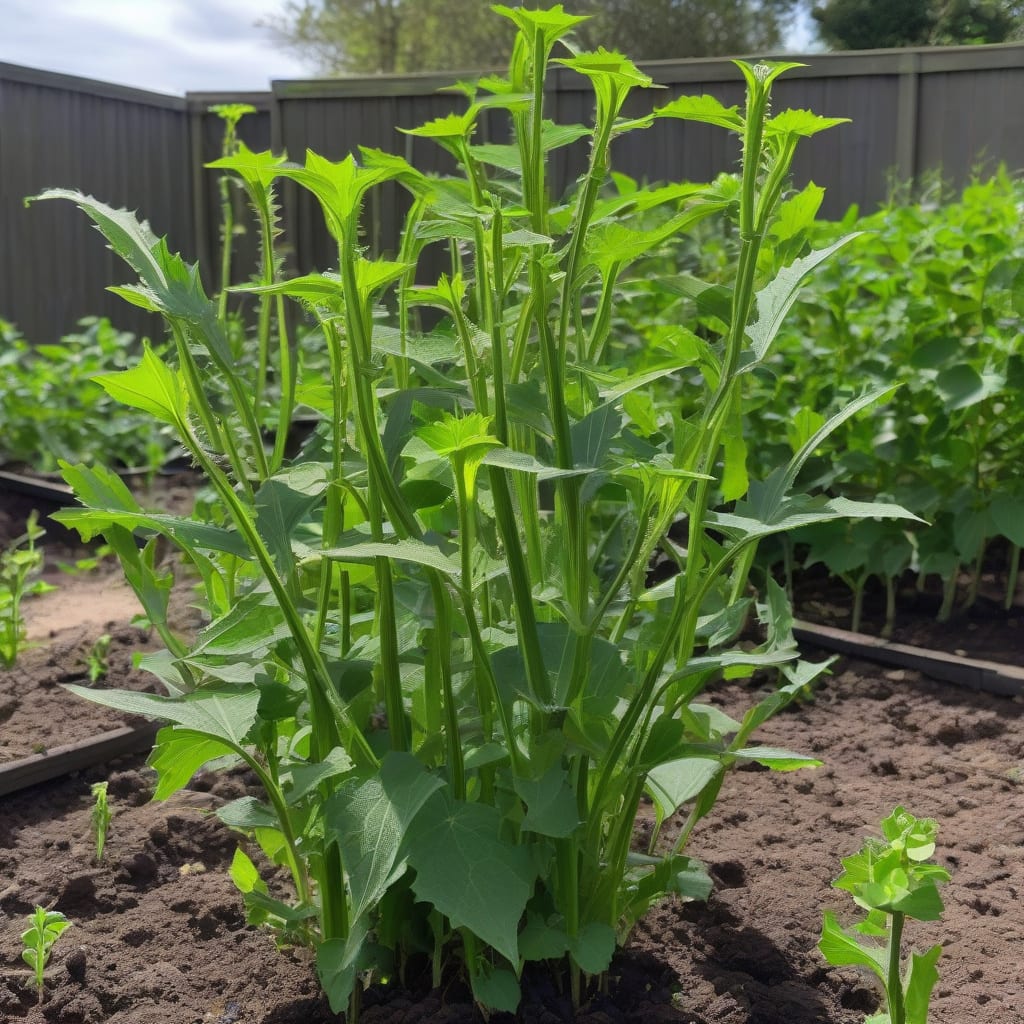
Okra plants 🌽 can grow quite tall, sometimes reaching heights of 3 to 6 feet. Their impressive stature makes them a great addition to any garden, providing both shade and a bountiful harvest.
To maximize their growth, it’s essential to understand the factors that influence their height. Let’s explore the key elements that affect okra plant growth and how you can support them to reach their full potential.


Okra plants are known for their impressive height, which can range from 3 to 6 feet depending on the variety and growing conditions. Understanding the factors that influence okra plant height is crucial for maximizing their growth and yield.
The height of okra plants is influenced by several key factors, including the variety, soil quality, and climate conditions. Let’s explore these factors in more detail to understand how they impact okra plant growth.
The average height of okra plants can vary significantly based on the factors mentioned above. Generally, most okra varieties will grow between 3 to 5 feet tall, with some taller varieties reaching heights of up to 6 feet 🌽.
To maximize the height of your okra plants, it’s essential to provide them with optimal growing conditions. This includes ensuring they receive full sun and are planted in well-draining, fertile soil. Regular watering and fertilization can also help promote healthy growth and maximize plant height.
Okra plants are warm-season crops that thrive in temperatures between 75°F and 85°F. They are sensitive to frost, so it’s crucial to wait until the soil has warmed up and the danger of frost has passed before planting 🌿.
In addition to optimal growing conditions, providing support for your okra plants can help them grow taller and produce more pods. This can be achieved through staking or trellising, which helps to keep the plants upright and encourages vertical growth 🌱.
By understanding the factors that influence okra plant height and providing optimal growing conditions, you can maximize the growth and yield of your okra plants. Whether you’re a seasoned gardener or just starting out, growing okra can be a rewarding experience that provides a bountiful harvest 🌼.
Okra plants are not only productive but also add a unique element to the garden with their tall, statuesque stalks and beautiful flowers. Their height makes them a great addition to any garden, providing both shade and a striking visual element 🌻.
Overall, okra plants are a versatile and rewarding crop to grow, offering both beauty and bounty to your garden. With the right care and conditions, you can enjoy a successful harvest of delicious okra pods throughout the growing season 🌽.
To help your okra plants reach their maximum height, it’s essential to provide them with optimal growing conditions. This includes ensuring they receive full sun and are planted in well-draining, fertile soil. Regular watering and fertilization can also help promote healthy growth and maximize plant height 🌞.
Prepare your soil by adding compost or well-rotted manure to improve its fertility and drainage. Okra plants thrive in soil with a pH between 6.0 and 7.0.
Okra plants need consistent moisture, especially when they’re producing pods. Water them deeply once or twice a week, depending on weather conditions.
Feed your okra plants with a balanced fertilizer every 4-6 weeks. This will promote healthy growth and maximize pod production.
Provide support for your okra plants using stakes or trellises. This will help them grow taller and produce more pods.
By following these expert gardening tips, you can help your okra plants reach their maximum height and enjoy a bountiful harvest 🌼.
In addition to these tips, it’s essential to keep an eye out for any potential issues that may affect your okra plants’ growth. This includes monitoring for pests and diseases and taking action promptly if you notice any problems 🌿.
Okra plants are generally low maintenance and can thrive with proper care. By providing them with the right conditions and support, you can enjoy a successful harvest of delicious okra pods throughout the growing season 🌽.
With these tips and a little practice, you’ll be growing okra like a pro in no time. Happy gardening! 🌱
Okra plants can be susceptible to various challenges that may hinder their growth. Understanding these common issues and their solutions is crucial for maintaining healthy plants 🌿.
One of the most significant challenges okra plants face is pests and diseases. Regular monitoring and prompt action can help mitigate these issues. Common pests include aphids, whiteflies, and spider mites, while diseases like fusarium wilt and powdery mildew can also affect okra plants 🔍.
Regularly inspect your okra plants for signs of pests or diseases. Use organic or integrated pest management methods to address any issues promptly.
Environmental stressors such as extreme temperatures, drought, or excessive rainfall can also impact okra plant growth. Ensuring proper soil preparation and providing adequate water can help mitigate these stressors 🌞.
To overcome these challenges, it’s essential to provide okra plants with optimal growing conditions. This includes full sun, well-draining soil, and regular watering. By understanding the common challenges and implementing effective solutions, you can promote healthy growth and maximize your okra yield 🌼.
Okra plants are generally resilient and can thrive with proper care. By being aware of potential issues and taking proactive steps, you can enjoy a successful harvest of delicious okra pods throughout the growing season 🌽.
