
Beautiful Plants For Your Interior
Beautiful Plants For Your Interior
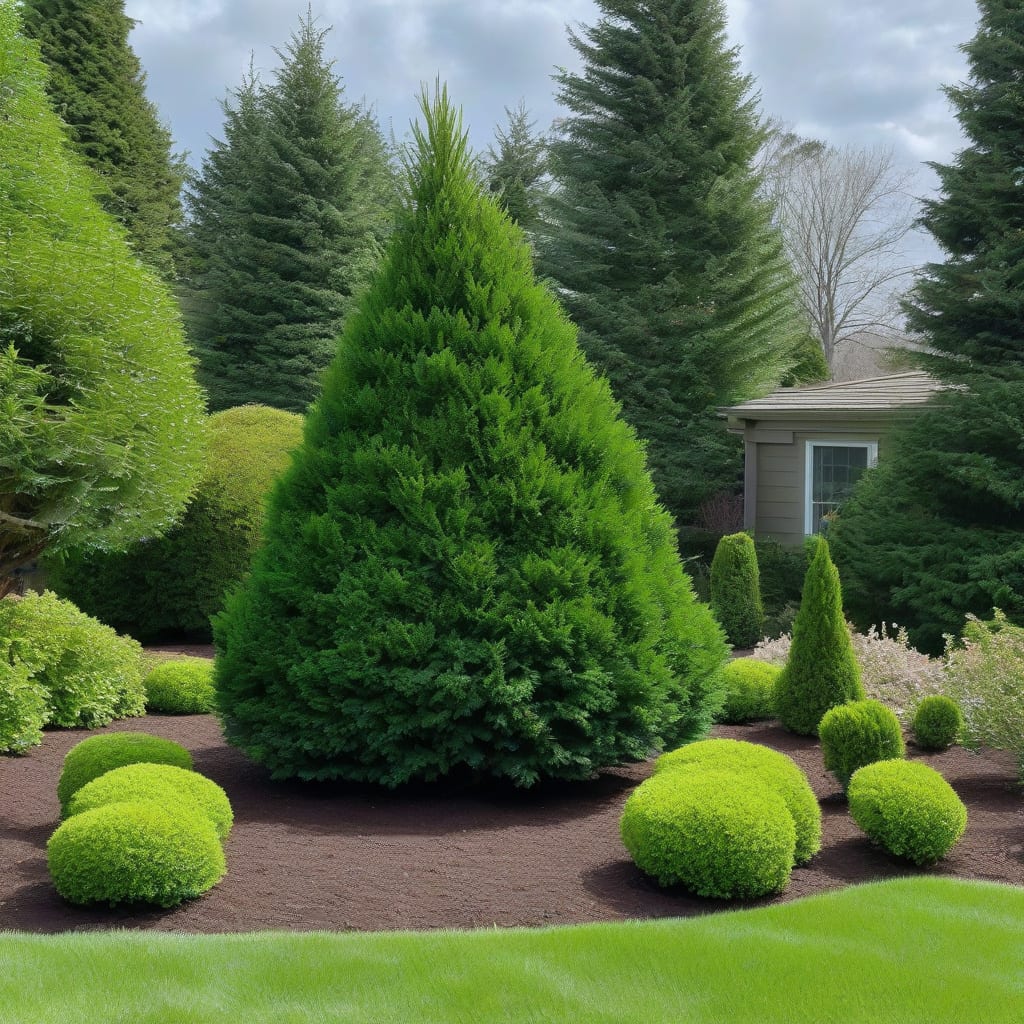
When planning your garden or landscape, understanding the growth potential of your chosen plants is crucial. The North Pole Arborvitae 🌲, known for its columnar shape and evergreen foliage, is a popular choice for many gardeners.
Typically growing between 10-15 feet tall, this tree’s mature height can be influenced by various factors including soil quality, sunlight, and maintenance practices. Let’s explore what you need to know about growing North Pole Arborvitae to its full potential.


The North Pole Arborvitae is a popular evergreen tree known for its columnar shape and dense foliage. It typically grows between 10-15 feet tall, making it an excellent choice for privacy screens or landscape accents.
Understanding the growth patterns of North Pole Arborvitae is essential for garden planning. This tree has a medium growth rate, typically adding 1-2 feet per year. Its mature height can be influenced by various factors including soil quality, sunlight, and maintenance practices 🌲.
The North Pole Arborvitae’s growth is characterized by its dense, upright form and evergreen foliage. It maintains its vibrant green color throughout the year, making it an attractive choice for winter landscapes.
When planting North Pole Arborvitae, it’s crucial to consider the soil conditions and sunlight exposure. This tree prefers well-draining soil and can thrive in full sun to partial shade. Proper spacing is also essential to allow for adequate air circulation and growth 🌿.
The tree’s columnar shape makes it ideal for narrow spaces or as a privacy screen. Its dense foliage provides excellent coverage, and its evergreen nature ensures year-round interest in the garden.
To achieve the maximum height, North Pole Arborvitae requires regular watering, especially during its first growing season. It’s also beneficial to mulch around the base to retain moisture and suppress weeds.
Fertilization can also play a role in promoting healthy growth. Using a balanced fertilizer in the spring can provide the necessary nutrients for optimal development.
While North Pole Arborvitae is generally low-maintenance, it does benefit from occasional pruning to maintain its desired shape and promote denser growth.
In summary, North Pole Arborvitae is a versatile and attractive evergreen tree that can grow between 10-15 feet tall. Its medium growth rate and dense foliage make it an excellent choice for various landscaping needs.
By understanding its growth patterns and providing appropriate care, gardeners can enjoy the beauty and functionality of North Pole Arborvitae in their landscapes for years to come 🌲.
The height of North Pole Arborvitae can be influenced by several key factors. Understanding these elements is crucial for gardeners who want to optimize the growth of their trees 🌿.
Soil quality plays a significant role in determining the height of North Pole Arborvitae. The tree thrives in well-draining soil that is rich in organic matter. Poor soil conditions can lead to stunted growth and reduced overall health.
Soil quality, sunlight exposure, watering practices, and pruning techniques all impact the ultimate height of North Pole Arborvitae.
Sunlight exposure is another critical factor affecting the height of North Pole Arborvitae. The tree prefers full sun to partial shade, with at least 6 hours of direct sunlight per day. Insufficient sunlight can result in weak and spindly growth.
Watering practices also significantly impact the tree’s height. Regular watering is essential, especially during the first growing season. However, overwatering can be detrimental, leading to root rot and other issues.
Pruning techniques can be used to maintain or control the desired height of North Pole Arborvitae. Regular pruning helps promote dense foliage and maintains the tree’s columnar shape. Pruning should be done in early spring or late winter to minimize stress on the tree.
By understanding and managing these factors, gardeners can help their North Pole Arborvitae reach its full potential height of 10-15 feet 🌲.
Proper care and maintenance are essential for achieving the desired height. This includes monitoring soil moisture, providing adequate sunlight, and pruning as needed.
In summary, the height of North Pole Arborvitae is influenced by a combination of factors including soil quality, sunlight exposure, watering practices, and pruning techniques. By optimizing these conditions, gardeners can promote healthy growth and achieve the desired height for their trees.
Managing the height of North Pole Arborvitae is crucial for maintaining its desired shape and promoting healthy growth 🌿.
Pruning is an effective way to control the height of North Pole Arborvitae. Regular pruning helps maintain the tree’s columnar shape and promotes dense foliage. Pruning should be done in early spring or late winter to minimize stress on the tree.
Check for dead or damaged branches that need removal.
Remove branches that are growing outside the desired shape or height.
Continue pruning annually to maintain the desired height and shape.
In addition to pruning, regular maintenance is essential for managing the height of North Pole Arborvitae. This includes monitoring soil moisture, providing adequate sunlight, and fertilizing as needed 🌲.
By following these pruning and maintenance tips, gardeners can effectively manage the height of their North Pole Arborvitae and enjoy its beauty and functionality in their landscapes for years to come.
Proper care will ensure that the tree remains healthy and continues to grow at a medium rate of 1-2 feet per year.
Regular checks and adjustments to pruning and maintenance practices will help achieve the desired height and overall health of the North Pole Arborvitae 🌿.
