
Beautiful Plants For Your Interior
Beautiful Plants For Your Interior
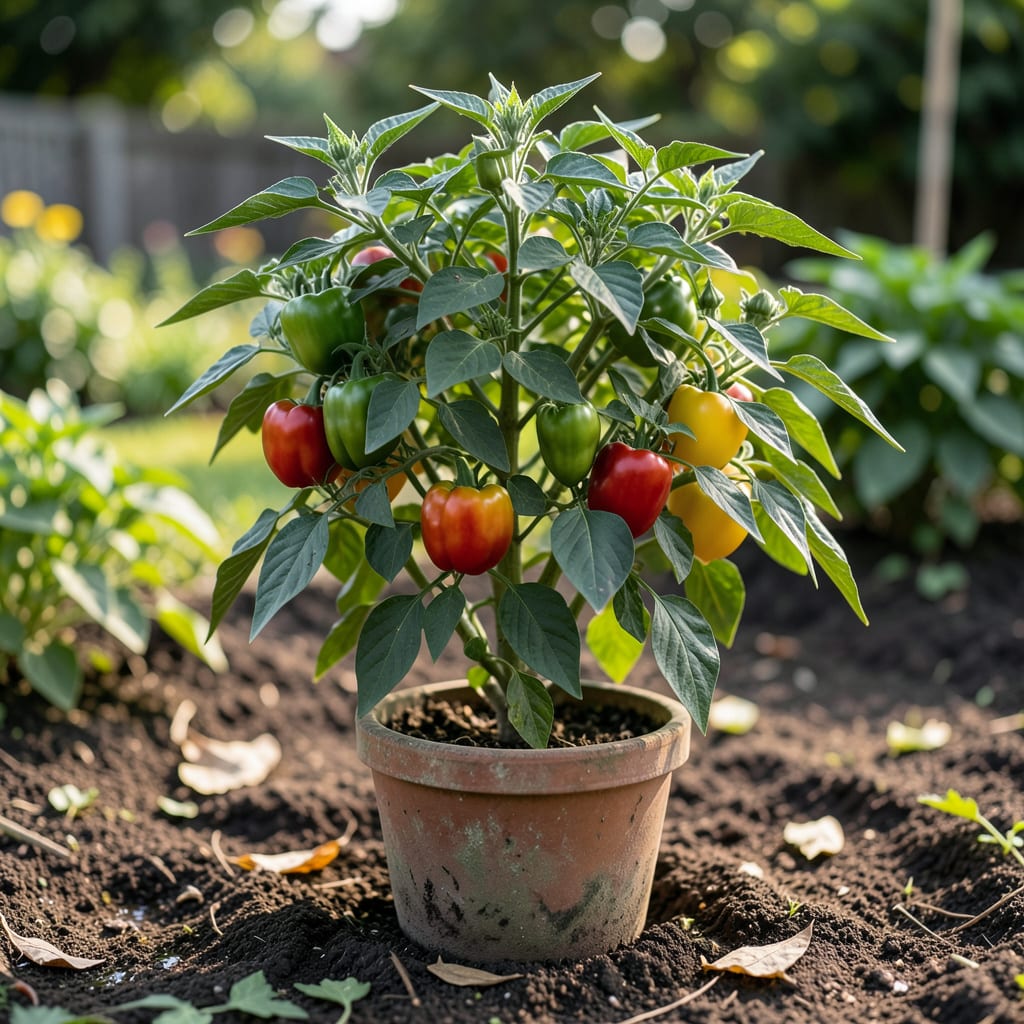
Growing Mini Bell Pepper 🌶️ plants can be a rewarding experience, especially when you understand their growth habits. These compact plants typically reach 0.8-1.5 feet in height, making them perfect for small gardens or containers.
To maximize their yield, it’s essential to provide the right conditions. In USDA Zone 6, planting in spring after the last frost date allows for optimal growth. With proper care, you’ll be enjoying fresh mini bell peppers in no time.


Mini bell pepper plants are known for their compact growth habit, typically reaching heights between 0.8-1.5 feet. This makes them ideal for small gardens, containers, or even indoor growing spaces. The height of these plants can vary based on factors such as the specific variety, growing conditions, and support systems used.
The growth pattern of mini bell pepper plants is influenced by several key factors. These include the amount of sunlight they receive, the watering schedule, and the nutrient availability in the soil. Understanding these factors is crucial for maximizing the yield of these plants.
Mini bell pepper plants are relatively low-maintenance and can thrive in a variety of conditions. However, they do require consistent moisture and adequate nutrients to produce a bountiful harvest. The plants are also known for their compact fruit production, making them perfect for small spaces 🌶️.
One of the key benefits of growing mini bell pepper plants is their ability to produce multiple harvests. With proper care, these plants can continue to produce peppers throughout the growing season. This makes them an excellent choice for gardeners looking to maximize their yield in a small space.
The growth rate of mini bell pepper plants is another important consideration. These plants typically take around 60-80 days to mature from sowing the seeds. This relatively fast growth rate makes them an attractive option for gardeners who want to see results quickly.
In terms of support, mini bell pepper plants generally do not require extensive staking. However, providing some form of support can help keep the plants upright and promote better fruiting. This can be achieved through the use of cages or stakes.
Overall, mini bell pepper plants are a great choice for gardeners of all skill levels. Their compact size, relatively low maintenance requirements, and high yield potential make them an excellent addition to any garden.
To further optimize the growth of mini bell pepper plants, gardeners can consider using container gardening techniques. This allows for better control over the soil quality and moisture levels, which can significantly impact the health and productivity of the plants.
By understanding the growth habits and requirements of mini bell pepper plants, gardeners can take steps to maximize their yield and enjoy a bountiful harvest. Whether grown in containers or directly in the ground, these plants are sure to provide a rewarding gardening experience 🌼.
In conclusion, mini bell pepper plants are a versatile and productive addition to any garden. Their compact growth habit and relatively low maintenance requirements make them an ideal choice for gardeners with limited space.
Effective management of mini bell pepper plant height is crucial for maximizing yield in small spaces. These compact plants typically grow between 0.8-1.5 feet tall, making them ideal for containers and small gardens.
To manage their height effectively, gardeners can employ several strategies. One key method is pruning, which involves removing select leaves and stems to control the plant’s size and promote better fruiting.
Remove lower leaves to improve air circulation and reduce disease risk. This helps maintain plant health and promotes better fruit production.
Another important factor is support. While mini bell pepper plants don’t require extensive staking, providing some form of support can help keep them upright and encourage better fruiting. Gardeners can use cages or stakes to achieve this.
The method of cultivation also impacts height management. Growing mini bell peppers in containers allows for better control over soil quality and moisture levels, which can affect plant height. In contrast, growing them directly in the ground can provide more root space, potentially leading to slightly taller plants 🌿.
To further optimize height management, gardeners should consider the spacing between plants. Adequate spacing ensures that each plant receives sufficient light and air circulation, which are critical for healthy growth and fruit production.
Regular monitoring of the plants is also essential. By keeping a close eye on their growth and adjusting care practices as needed, gardeners can prevent issues that might affect plant height and overall productivity.
In summary, managing mini bell pepper plant height effectively involves a combination of pruning, support, appropriate cultivation methods, and regular monitoring. By implementing these strategies, gardeners can maximize their yield and enjoy a successful harvest 🌼.
By following these tips, gardeners can ensure their mini bell pepper plants remain healthy and productive, providing a bountiful harvest throughout the growing season.
Growing mini bell pepper plants can be challenging if you’re not aware of the common mistakes that can affect their growth. One of the most significant factors is improper watering, which can lead to stress and reduce fruit production.
Overwatering can cause root rot, while underwatering can stress the plants. Maintain consistent moisture levels to promote healthy growth.
Nutrient deficiencies are another common issue that can impact mini bell pepper plant growth. These plants require a balanced diet of nutrients to produce well, and deficiencies can lead to stunted growth or poor fruiting.
Spacing problems can also affect the growth of mini bell pepper plants. If plants are too close together, they may compete for resources like light, water, and nutrients, leading to reduced yields.
To avoid these mistakes, gardeners should ensure their mini bell pepper plants receive adequate spacing, proper watering, and balanced nutrients. By doing so, they can promote healthy growth and maximize their yield 🌼.
Regular monitoring of the plants is also crucial. By keeping a close eye on their growth and addressing any issues promptly, gardeners can prevent problems from becoming severe.
In summary, being aware of the common mistakes that can affect mini bell pepper plant growth is essential for successful cultivation. By avoiding these pitfalls, gardeners can enjoy a bountiful harvest of delicious mini bell peppers 🌶️.
Mini bell pepper plants typically grow between 0.8-1.5 feet tall, making them perfect for small gardens or containers. Their compact size allows for versatile growing options.
Water your mini bell pepper plants every 2-3 days, providing 1-2 cups of water per plant. Consistent moisture is key to healthy growth and fruit production.
While mini bell pepper plants don’t require extensive staking, providing some form of support like cages or stakes can help keep them upright and promote better fruiting. This is especially helpful in windy conditions.
Mini bell pepper plants typically take around 60-80 days to mature from sowing the seeds. With proper care, they’ll continue producing peppers throughout the growing season.
