
Beautiful Plants For Your Interior
Beautiful Plants For Your Interior
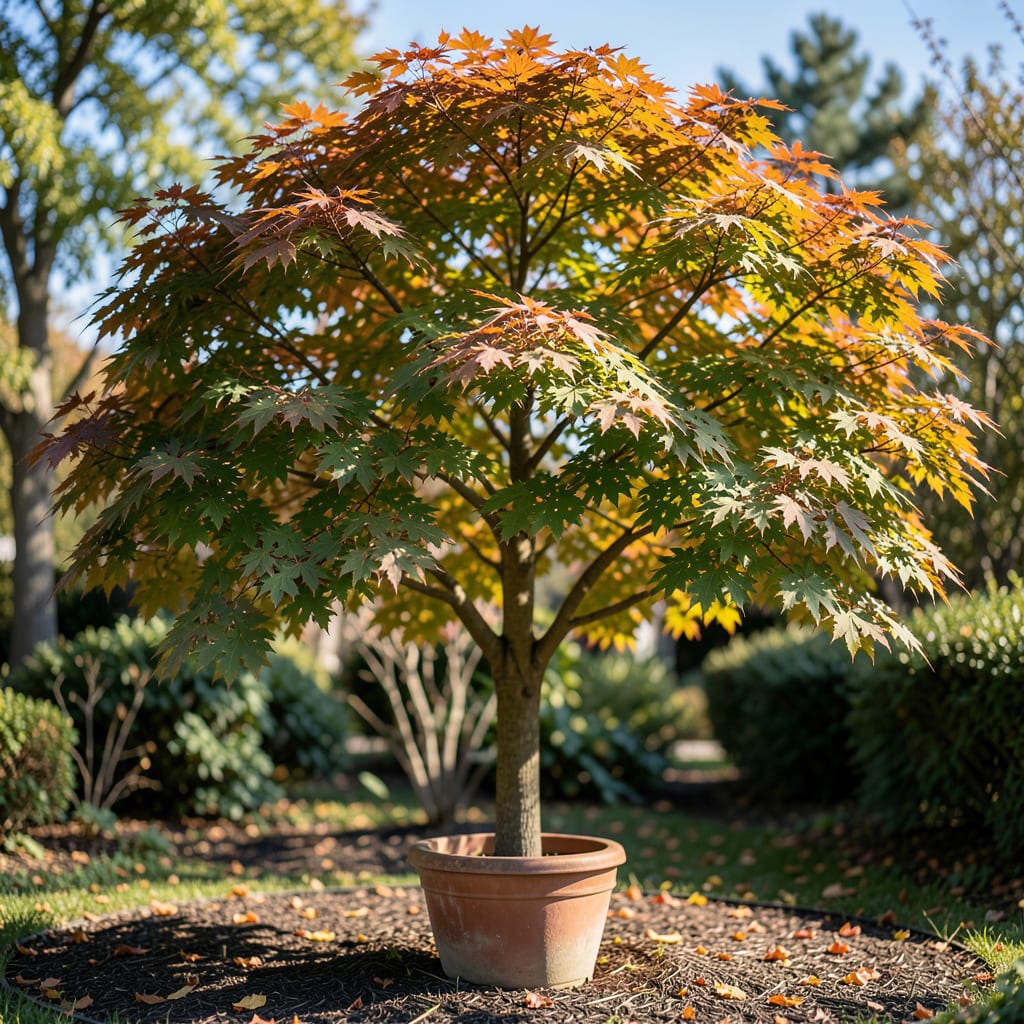
When planting a Maple Tree 🌳, understanding its growth potential is crucial for garden planning. The height of these beautiful trees can vary significantly based on factors like soil quality and climate conditions.
In USDA Zone 6, Maple Trees can grow to impressive heights, ranging from 30 to 100 feet. Proper care and pruning techniques can help manage their height and promote healthy growth.


When considering how tall maples grow, several key factors come into play. Soil quality is crucial as it affects nutrient availability and drainage. Maple trees prefer well-drained soil with a balanced pH between 6.0 and 7.0.
Climate conditions also significantly impact maple tree growth. Temperature, rainfall, and sunlight exposure all contribute to a tree’s overall height. In general, maples thrive in temperate climates with adequate moisture 🌟.
The species variation among maples also plays a significant role in determining their height. Different species have different growth habits and maximum heights. For instance, the sugar maple can grow much taller than the Japanese maple. 🌱
Proper care, including regular watering, fertilization, and pruning, can also impact a maple tree’s height. Proper care ensures that the tree grows healthily and reaches its full potential height. 🌳
Understanding these factors is essential for gardeners who want to cultivate healthy and thriving maple trees. By considering soil quality, climate conditions, species variation, and proper care, gardeners can better predict and manage the height of their maple trees.
Maple trees are known for their adaptability and resilience, making them a popular choice for many landscapes. With the right conditions and care, maples can grow into majestic trees that provide shade and beauty for years to come.
In summary, the height of maple trees is influenced by a combination of factors including soil quality, climate conditions, species variation, and proper care. By understanding and managing these factors, gardeners can help their maple trees reach their full growth potential.
For more specific guidance on growing maple trees, it’s helpful to consult with local gardening experts or resources tailored to your region’s climate and soil conditions.
By providing the right environment and care, you can enjoy the beauty and benefits of your maple tree for many years.
Different maple tree species exhibit varying growth patterns and maximum heights. Understanding these differences is essential for gardeners to make informed decisions about which species to plant 🌳.
The height of maple trees can range significantly across different species. Some species are naturally taller than others, and factors like soil quality and climate conditions can further influence their growth.
The Sugar Maple is known for its impressive height, typically growing between 60 to 80 feet and reaching a maximum height of 100 feet under ideal conditions.
In contrast, the Red Maple can grow even taller, with a typical height range of 50 to 70 feet and a maximum height of up to 120 feet in optimal environments 🌟.
Japanese Maples are generally smaller, with typical heights between 10 to 25 feet and a maximum height of around 30 feet. Their compact size makes them ideal for smaller gardens.
When selecting a maple tree species, it’s crucial to consider the mature height to ensure it fits within your garden’s space and landscape design.
By understanding the growth potential of different maple species, gardeners can better plan their landscapes and provide appropriate care for their trees.
For more detailed information on specific maple tree species and their growth habits, consulting with local horticultural experts or resources can provide valuable insights tailored to your region.
Pruning is an essential technique for managing the height of maple trees and promoting healthy growth. By pruning your maple tree regularly, you can control its height, maintain its shape, and encourage the development of strong branches 🌳.
The first step in pruning your maple tree is to identify the branches that need to be removed. Look for branches that are dead, diseased, or damaged, as these can harm the overall health of the tree if left unpruned.
Start by removing any branches that are dead, diseased, or damaged to prevent the spread of disease and encourage healthy growth.
Thin out the canopy to allow more sunlight to penetrate and reduce the weight on branches, promoting a balanced structure.
Shape the tree by cutting back branches to maintain the desired height and shape, ensuring a natural and aesthetically pleasing form.
Regular pruning not only helps in managing the height of your maple tree but also improves its overall health and appearance. By following these pruning techniques, you can enjoy a beautifully maintained maple tree that enhances your garden’s landscape 🌟.
It’s also important to use the right tools for pruning to avoid damaging the tree. Sharp, clean pruning tools will help you make precise cuts and minimize the risk of infection.
For more detailed guidance on pruning maple trees, consider consulting with a professional arborist or local gardening expert who can provide tailored advice based on your tree’s specific needs.
By incorporating regular pruning into your maple tree care routine, you can ensure that your tree remains healthy, well-shaped, and continues to thrive for years to come.
Most maple trees typically grow between 40 to 80 feet tall when fully mature. However, some species like the Red Maple can reach heights of up to 120 feet in ideal conditions .
Maple trees are generally considered moderate to fast growers, with an average annual growth rate of 1 to 2 feet per year. Factors like soil quality, climate, and proper care can influence their growth rate .
Yes, you can manage the height of your maple tree through regular pruning techniques. Pruning helps control height, maintain shape, and promote healthy growth. It’s best to prune during the dormant season to minimize stress on the tree .
The Japanese Maple is an excellent choice for smaller gardens, as it typically grows between 10 to 25 feet tall. Its compact size and beautiful foliage make it a popular choice for landscaping in limited spaces .
