
Beautiful Plants For Your Interior
Beautiful Plants For Your Interior
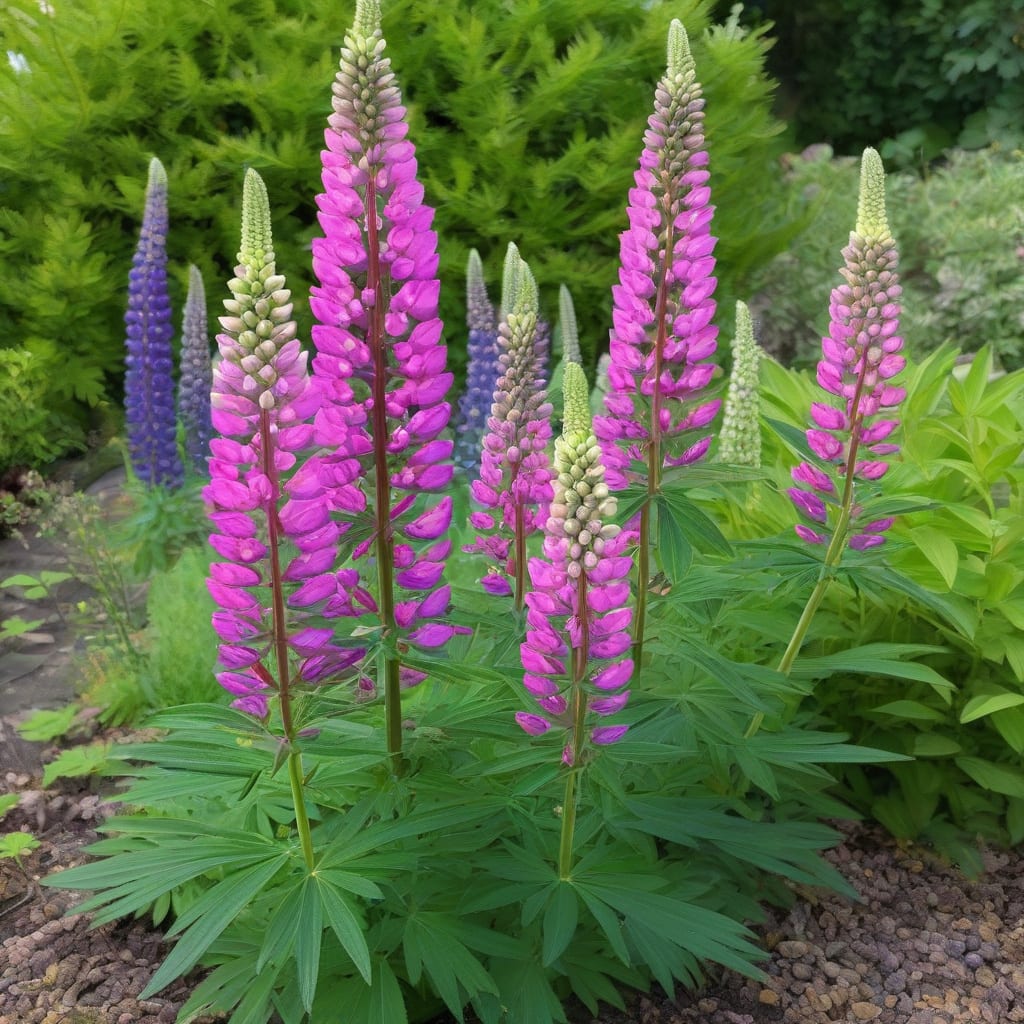
Lupins 🌼 are a stunning addition to any garden, known for their vibrant colors and tall spikes. Their height can vary significantly based on factors like soil quality and sunlight.
Understanding how tall lupins can grow helps with effective garden planning. Typically, they can reach between 3 to 6 feet tall, making them a striking feature in any garden landscape in USDA Zone 6.


Lupins are known for their tall, statuesque spikes, but their height can vary significantly based on several factors. Understanding these factors is crucial for gardeners who want to maximize their lupin growth 🌼.
The height of lupins is influenced by soil quality, climate conditions, and the specific variety of lupin. Let’s explore how these factors impact lupin height.
The soil quality plays a significant role in determining lupin height. Lupins thrive in well-draining, fertile soil that is rich in organic matter. Soil that is too dense or lacking in nutrients can impact plant health and productivity. poor drainage or is nutrient deficient may limit lupin height to 2-3 feet. Conversely, a loamy, well-draining soil with a pH between 6.0 and 7.0 can support taller growth. 🌱
Climate conditions also significantly affect lupin height. Lupins prefer cooler temperatures and adequate moisture, especially during their growing season. In regions with mild springs and cool summers, lupins tend to grow taller. Extreme heat or drought can stunt their growth and reduce their height. In USDA Zone 6, lupins typically thrive in the cooler temperatures of spring or early fall. 🌟
The specific variety of lupin is another critical factor. Some lupin varieties are bred for their tall, statuesque spikes, while others are more compact. Gardeners can choose varieties that are known for their height, such as some of the hybrid lupin varieties that can reach up to 6 feet tall. Understanding the growth habits of different lupin varieties helps gardeners select the right type for their garden needs. 🌼
By understanding these factors, gardeners can better predict and influence the height of their lupins. Creating optimal growing conditions can help achieve the desired height.
To maximize lupin height, gardeners should focus on providing the right growing conditions, including proper soil preparation and adequate watering. Regular maintenance, such as deadheading and fertilizing, can also support healthy, tall growth. By paying attention to these details, gardeners can enjoy tall, vibrant lupins in their garden. 💐
Lupins are a versatile and beautiful addition to any garden, and with the right care, they can reach their full height potential. Whether you’re growing lupins for their colorful spikes or as a nitrogen-fixing crop, understanding their growth habits is key to success. By considering factors like soil quality, climate, and variety, gardeners can optimize their lupin growth. 🌻
In conclusion, lupin height is influenced by a combination of soil quality, climate conditions, and the specific variety of lupin. By understanding and managing these factors, gardeners can grow tall, healthy lupins that add beauty and functionality to their garden. With proper care and attention, lupins can thrive and reach their full height potential. 🌺
To achieve optimal lupin height, gardeners should focus on creating the right growing conditions. This includes proper soil preparation, adequate watering, and regular maintenance. By understanding these key factors, gardeners can maximize their lupin growth and enjoy tall, vibrant plants 🌼.
Prepare the soil by adding organic matter like compost to improve drainage and fertility. Ensure the soil pH is between 6.0 and 7.0 for optimal lupin growth 🌱.
Water lupins regularly, especially during dry spells. Avoid overwatering, which can lead to root rot. Aim for about 1 inch of water per week 💧.
Apply a balanced fertilizer during the growing season to promote healthy growth. Avoid high-nitrogen fertilizers, which can encourage leaf growth at the expense of flowers 🌺.
In addition to these tips, gardeners should also consider the specific needs of their lupin variety. Some varieties may require additional support or have unique growing requirements. By understanding these needs, gardeners can tailor their care to maximize lupin height 🌻.
Regular maintenance, such as deadheading and removing spent flowers, can also encourage taller growth. This practice helps direct the plant’s energy towards producing new flowers rather than seed production 💐.
By following these guidelines and providing the right care, gardeners can enjoy tall, vibrant lupins that add beauty and height to their garden. Whether you’re growing lupins for their colorful spikes or as a nitrogen-fixing crop, maximizing their growth is key to a successful gardening experience 🌼.
To further enhance lupin growth, consider mulching around the plants to retain moisture and suppress weeds. This practice can help create a more favorable growing environment, supporting taller and healthier lupins 🌱.
In conclusion, maximizing lupin growth involves a combination of proper soil preparation, adequate watering, and regular maintenance. By focusing on these key areas, gardeners can enjoy tall, vibrant lupins that enhance their garden’s beauty and productivity 🌺.
Growing tall lupins can be challenging due to various factors that affect their height and overall health. Understanding these challenges is crucial for gardeners who want to achieve optimal lupin growth 🌼.
One of the primary challenges is dealing with pests and diseases that can significantly impact lupin height. Regular monitoring and appropriate management strategies are essential to mitigate these issues.
Regularly inspect your lupins for signs of aphids, slugs, and fungal infections. Use organic pest control methods whenever possible to protect your plants.
Weather conditions are another significant challenge. Lupins are sensitive to extreme weather, such as prolonged heatwaves or excessive rainfall. Providing some protection or choosing varieties that are more resilient to local weather conditions can help 🌟.
Soil conditions also play a critical role. Lupins prefer well-draining soil with a pH between 6.0 and 7.0. Ensuring good soil quality can prevent issues like root rot and nutrient deficiencies 🌱.
To overcome these challenges, gardeners should focus on regular maintenance and proactive care. This includes monitoring for pests, maintaining optimal soil conditions, and providing support to tall plants 💐.
By understanding and addressing these common challenges, gardeners can better ensure the success of their lupin plants. With the right care and attention, lupins can thrive and reach their full height potential 🌺.
