
Beautiful Plants For Your Interior
Beautiful Plants For Your Interior
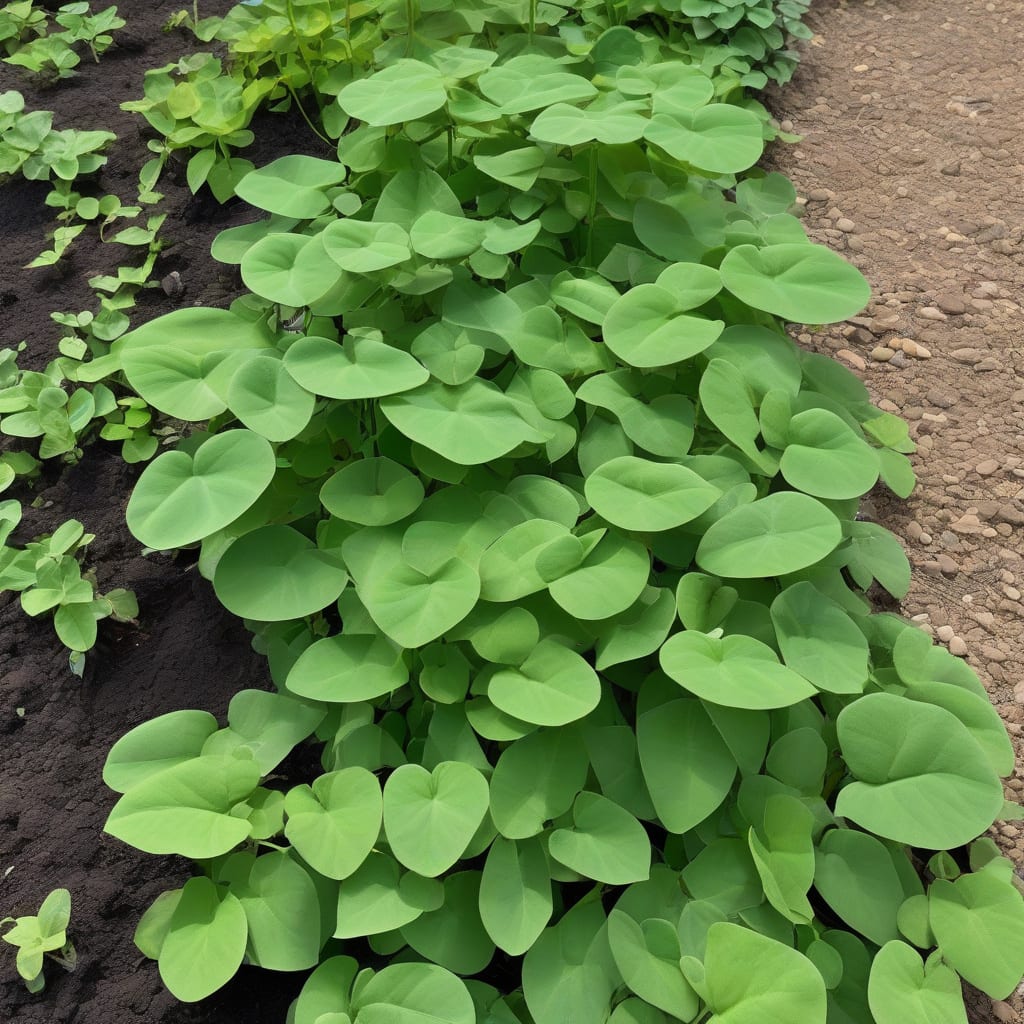
When growing Lima Beans 🌽, understanding their growth potential is crucial for garden planning. These versatile plants can grow quite tall, requiring proper support to maximize their yield.
In USDA Zone 6, Lima Beans typically thrive during the spring season, reaching heights that can range from 6 to 12 feet, depending on the variety and growing conditions. Let’s explore how to make the most of their growth.


Lima beans are a versatile crop that comes in two main varieties: bush and pole. The growth height of these plants can vary significantly depending on the type you’re growing. Understanding these differences is crucial for planning your garden space effectively.
Bush lima beans are generally more compact, growing to heights of 1-2 feet, making them ideal for smaller gardens or containers. On the other hand, pole lima beans are climbing plants that can reach impressive heights of 6-12 feet, requiring proper support as they grow 🌽.
Several factors can influence the height of your lima bean plants, including soil quality, sunlight exposure, and watering practices. Soil preparation is key, as lima beans thrive in well-draining, nutrient-rich soil. Ensuring your plants receive adequate sunlight is also crucial, as they require full sun to produce a bountiful harvest.
Watering consistency plays a significant role in the healthy growth of lima beans. These plants prefer consistent moisture, especially when they’re producing pods. However, overwatering can lead to root rot, so it’s essential to strike the right balance.
In addition to these factors, support structures are vital for pole lima beans. Providing a sturdy trellis or other support can help these climbing plants reach their full potential height while keeping your garden organized and productive.
The growth rate of lima beans can also vary. Generally, you can expect them to start climbing or supports to climb within 60-90 days after planting, depending on the variety and growing conditions.
To maximize your lima bean yield, it’s essential to understand how to support their growth effectively. This includes providing the right trellising options and maintaining optimal growing conditions.
By understanding the growth habits and heights of different lima bean varieties, you can better plan your garden and ensure a successful harvest. Whether you’re growing bush or pole lima beans, proper care and support will help you enjoy a bountiful crop.
For more detailed information on supporting your lima bean plants as they grow tall, be sure to check out our next section on trellising and staking methods.
Supporting lima bean plants is crucial for maximizing their growth and yield, especially for pole varieties that can reach heights of 6-12 feet. Proper support ensures that the plants remain healthy and productive throughout the growing season 🌽.
One effective method for supporting pole lima beans is using a sturdy trellis. A trellis provides a structure for the plants to climb, keeping them off the ground and reducing the risk of disease. When choosing a trellis, opt for one that is at least 6 feet tall to accommodate the full growth potential of the plants.
Place the trellis near the planting area before sowing seeds to avoid damaging the roots later.
Gently guide the growing vines towards the trellis, securing them with soft ties if necessary.
Regularly check the plants and trellis, making adjustments as needed to ensure the vines continue to grow upwards.
In addition to trellising, proper spacing is essential for healthy growth. Plant lima bean seeds 3-4 inches apart in rows that are 3 feet apart. This spacing helps prevent overcrowding, reducing the risk of disease and ensuring that each plant receives adequate sunlight and air circulation.
For gardeners who prefer not to use a trellis, staking is another viable option. Drive a sturdy stake into the ground near the planting area, and tie the growing plants to the stake as they grow. This method provides individual support to each plant, keeping them upright and organized.
Regardless of the support method you choose, it’s essential to be proactive. Providing support early in the growing season sets your lima bean plants up for success, allowing them to reach their full potential height and produce a bountiful harvest 🌼.
By implementing these support strategies, you can enjoy a healthy and productive lima bean crop, with plants that are well-supported and thriving throughout the growing season.
For more information on maximizing lima bean yield through proper height management, including tips on pruning and soil preparation, be sure to check out our next section.
To maximize lima bean yield, it’s essential to manage their growth height effectively. Proper height management involves a combination of techniques that create optimal growing conditions for your plants 🌽.
One key strategy is pruning. Pruning helps control the plant’s height, promotes healthy growth, and encourages more fruiting. For pole lima beans, pruning involves removing any weak or spindly growth to direct the plant’s energy towards producing pods.
Prune your lima bean plants regularly to encourage bushy growth and more pods. Remove any weak or damaged stems to direct energy towards healthy growth.
Soil preparation is another critical factor in managing lima bean height. Ensuring your soil is well-draining and rich in nutrients provides a solid foundation for healthy plant growth. Adding organic matter like compost can improve soil structure and fertility, supporting robust plant development.
Sunlight requirements also play a significant role in lima bean growth. These plants thrive in full sun, so ensure they receive at least 6 hours of direct sunlight per day. Adequate sunlight helps plants grow stronger and produce more pods.
By implementing these strategies, you can optimize your lima bean plants’ growth height and enjoy a more bountiful harvest. Proper height management not only improves yield but also makes it easier to care for your plants and keep your garden organized 🌼.
Regular monitoring and adjustments to your care routine will help you achieve the best results. With the right techniques and a bit of practice, you’ll be harvesting delicious lima beans in no time.
