
Beautiful Plants For Your Interior
Beautiful Plants For Your Interior
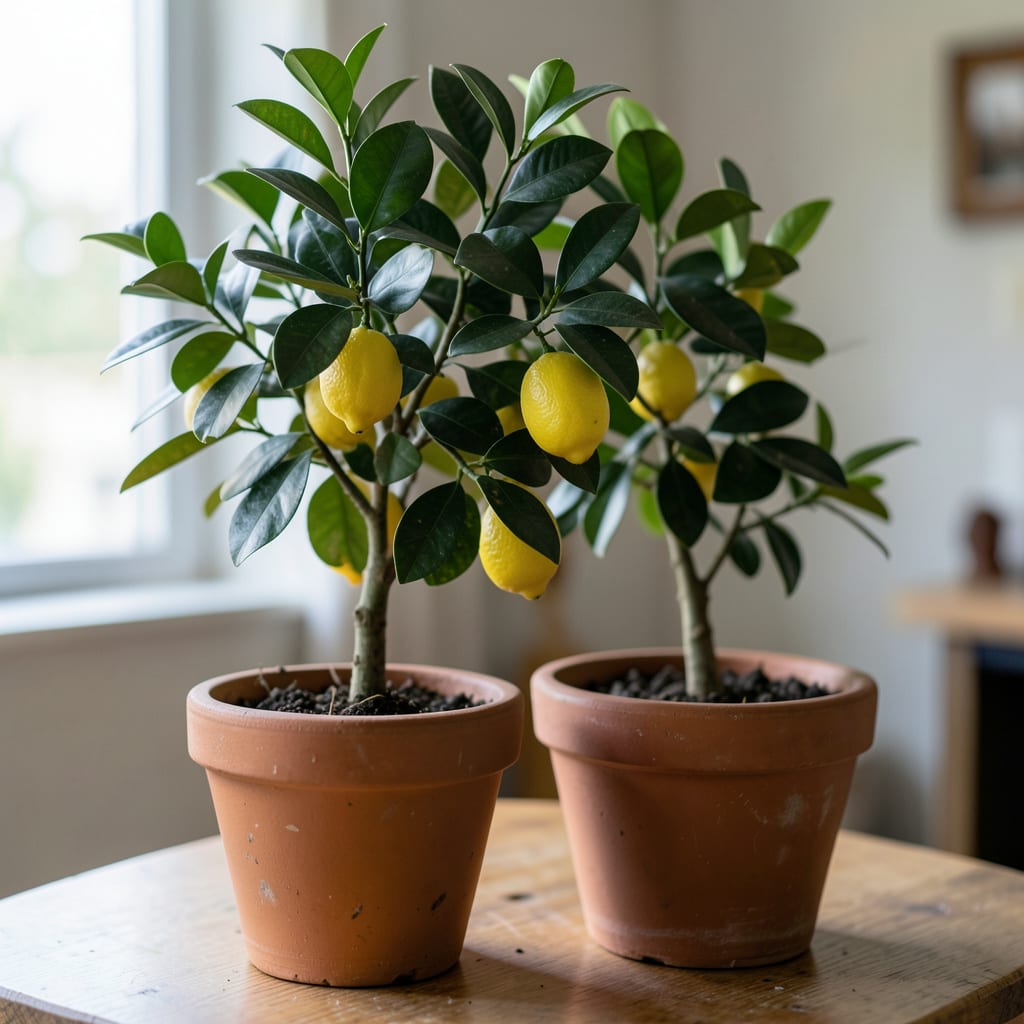
Growing a Lemon Tree 🍋 indoors can be a rewarding experience, but understanding their growth patterns is crucial for successful container cultivation. In USDA Zone 6a, you’ll need to provide the right conditions for your tree to thrive.
I’ll share expert tips on managing your indoor Lemon Tree’s height and health. Let’s explore the factors that affect their growth and how to optimize them for a bountiful harvest.


Growing lemon trees indoors requires understanding the factors that influence their height. The container size plays a crucial role in determining how tall your lemon tree will grow. A larger container allows for more root growth, which can support a taller tree 🌿.
The soil quality is another important factor. Well-draining, nutrient-rich soil can promote healthy growth and help your tree reach its full potential. I’ll discuss the importance of soil quality in more detail later.
Pruning techniques are essential for managing the height of your indoor lemon tree. By pruning your tree regularly, you can control its height and encourage bushy growth. I’ll provide more information on pruning techniques later. 💡
Lighting conditions also impact the growth of your lemon tree. Lemon trees need full sun to thrive, so placing them near a south-facing window is ideal. This will provide the necessary light for optimal growth.
In addition to these factors, temperature and humidity also play a role in determining the height of your indoor lemon tree. I’ll discuss these factors in more detail later.
Understanding these factors is crucial for growing a healthy and productive lemon tree indoors. By controlling these factors, you can promote optimal growth and enjoy a bountiful harvest 🌼.
Optimal growing conditions can vary depending on your specific climate and environment. I’ll provide more information on optimizing growing conditions later.
By considering these factors and providing the right conditions, you can grow a thriving lemon tree indoors and enjoy fresh lemons all year round 🍋.
In the next section, I’ll discuss the importance of soil quality and how to optimize it for your indoor lemon tree.
By following these tips and providing the right conditions, you can enjoy a healthy and productive lemon tree indoors for years to come 🌿.
Managing the size of your indoor lemon tree is crucial for maintaining a healthy and productive plant. One of the most effective ways to control the height of your lemon tree is through pruning techniques. Regular pruning helps maintain the desired shape and size of your tree 🌿.
To effectively manage your lemon tree’s size, you’ll need to understand the importance of container selection and root management. The right container size and proper root care can significantly impact your tree’s overall health and growth.
Choose a container that is at least 12-18 inches deep to accommodate the tree’s root system. Ensure it has good drainage holes to prevent waterlogged soil.
Prune your lemon tree annually to maintain its shape and size. Remove any dead or diseased branches, and cut back overgrown areas to encourage healthy growth 🌸.
Check the roots annually to ensure they aren’t becoming root-bound. If necessary, repot the tree into a slightly larger container with fresh, well-draining soil 🌱.
By following these steps, you can effectively manage the size of your indoor lemon tree and promote healthy growth. Regular maintenance is key to enjoying a thriving and productive tree 🌼.
Container size is critical for controlling the height of your lemon tree. A larger container can support more root growth, which in turn can support a taller tree. However, a container that is too large can lead to waterlogging and root rot 🌿.
Pruning is not only about controlling height but also about promoting healthy growth. By removing dead or diseased branches, you help prevent the spread of disease and encourage your tree to focus its energy on producing healthy fruit 🌸.
To further support your lemon tree’s health, ensure it receives adequate light. Lemon trees need full sun to thrive, so placing them near a south-facing window is ideal. This will provide the necessary light for optimal growth 🌞.
By combining proper container selection, regular pruning, and optimal growing conditions, you can enjoy a healthy and productive indoor lemon tree for years to come 🌿.
To maximize the growth of your indoor lemon tree, you’ll need to optimize the growing conditions. This includes providing the right fertilization, maintaining optimal temperature, and managing humidity levels 🌿.
Fertilization is critical for promoting healthy growth and fruit production. Use a balanced fertilizer with an NPK ratio of 6-6-6 during the growing season (spring-fall). Feed your lemon tree monthly, taking care not to over-fertilize 💡.
Monitor your tree’s response to fertilization and adjust as needed. Too much fertilizer can damage your tree, while too little may limit growth.
Temperature control is also vital for optimal growth. Lemon trees prefer daytime temperatures between 65-75°F (18-24°C) and nighttime temperatures around 55-65°F (13-18°C). Avoid placing your tree near drafty windows or heating vents 🌡️.
Humidity management is another important factor. Indoor lemon trees prefer a relatively high humidity environment, typically above 50%. You can increase humidity around your tree by using a humidifier or placing the pot on a tray filled with water and pebbles 🌟.
By optimizing these conditions, you can create an ideal environment for your indoor lemon tree to thrive.
In addition to these factors, maintaining good air circulation around your tree can help prevent disease and promote healthy growth. Ensure your tree has enough space and consider using a fan to improve air circulation 💨.
With proper care and attention, your indoor lemon tree can grow and flourish, providing you with fresh lemons for years to come 🍋.
Indoor lemon trees typically grow between 6-8 feet tall when properly cared for. Dwarf varieties usually max out at around 4-6 feet, making them ideal for indoor containers. Regular pruning helps maintain the desired height .
Prune your indoor lemon tree annually to maintain its shape and size. Remove any dead or diseased branches, and cut back overgrown areas to encourage healthy growth. Pruning also helps control the tree’s height and promotes fruiting .
Choose a container that’s at least 12-18 inches deep with good drainage holes. This size accommodates the tree’s root system and prevents waterlogging. Make sure the container is well-ventilated to promote healthy root growth .
Lemon trees need full sun to thrive, so place them near a south-facing window for optimal growth. They require at least 6 hours of direct sunlight daily. If natural light is limited, consider supplementing with grow lights .
