
Beautiful Plants For Your Interior
Beautiful Plants For Your Interior
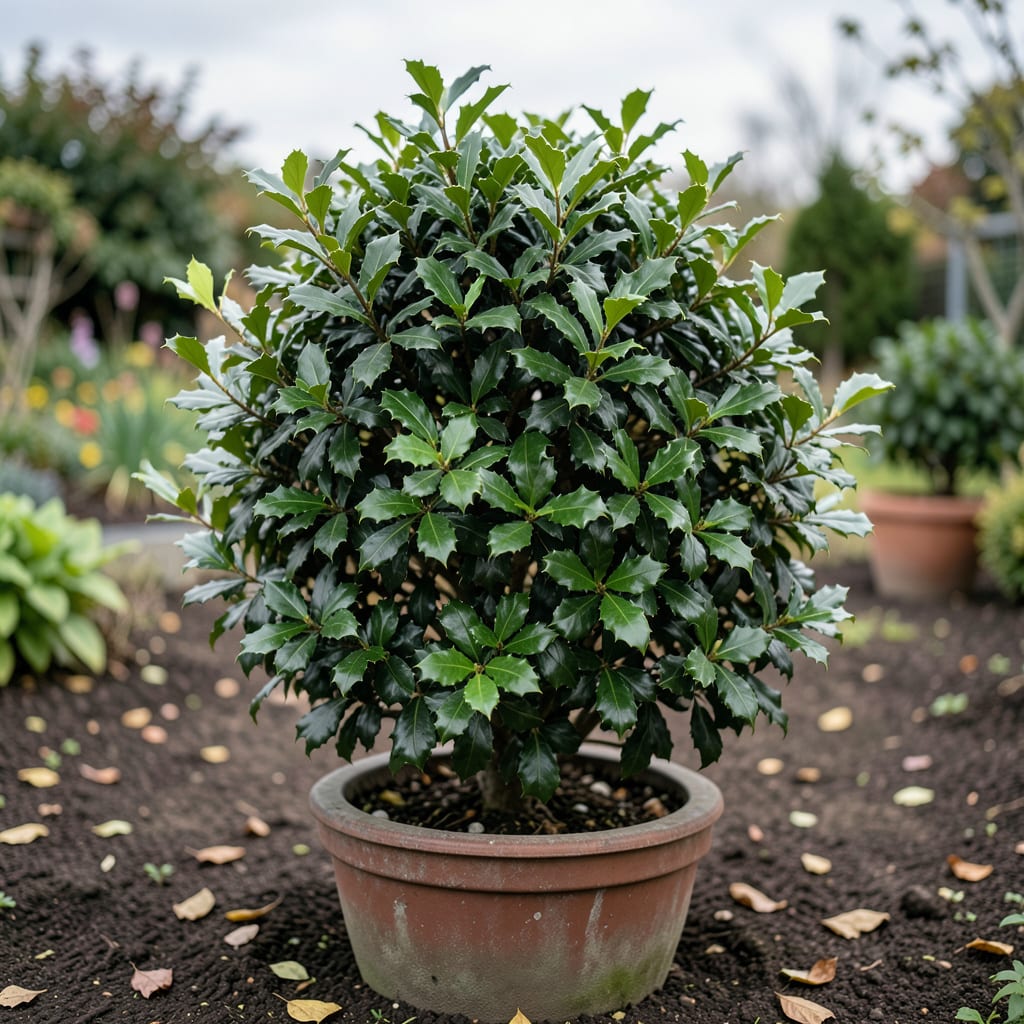
Japanese holly 🌿 is a popular landscaping choice for its elegant appearance and versatility. Understanding its growth potential is crucial for proper garden planning, especially when considering its mature height.
These evergreen shrubs can grow between 3-12 feet tall, depending on the variety and growing conditions. Factors like soil quality, climate, and maintenance practices all play a role in determining the final height of your Japanese holly.

Japanese holly is a versatile evergreen shrub that can grow between 3-12 feet tall, depending on the variety and growing conditions. Understanding its growth potential is crucial for proper garden planning.
The height of Japanese holly is influenced by several factors including variety, soil quality, climate, and maintenance practices. Different cultivars have different growth habits, ranging from compact dwarf varieties to larger standard types 🌿.
The growth rate of Japanese holly is generally slow to moderate, typically increasing by 3-6 inches per year. This gradual growth allows for better maintenance of shape and size through regular pruning.
Soil conditions play a significant role in determining the height of Japanese holly. Well-draining, slightly acidic soil with a pH between 6.0-6.5 promotes healthy growth. Poor soil conditions can limit the plant’s maximum height.
Climate is another critical factor affecting Japanese holly’s growth. These plants thrive in USDA Hard 6-9 zones and can tolerate a range of temperatures. Extreme temperatures or inadequate winter protection can impact the plant’s ability to reach its maximum height.
Regular maintenance practices, including pruning and fertilization, contribute to the overall health and size of Japanese holly. Proper care ensures that the plant reaches its potential height while maintaining its desired shape and density.
Understanding these growth factors helps gardeners make informed decisions about planting and caring for Japanese holly in their landscapes. The combination of variety selection and proper care will determine the ultimate height of these elegant shrubs 🌿.
Japanese holly’s adaptability to different garden conditions makes it a popular choice for various landscaping needs. Whether used as a hedge, border plant, or standalone specimen, understanding its growth patterns is essential for successful garden design.
The plant’s evergreen foliage provides year-round interest, while its red berries add seasonal color. Proper understanding of its growth habits allows gardeners to maximize these features in their garden design.
By considering factors such as soil quality, sunlight exposure, and pruning practices, gardeners can optimize the growth and appearance of their Japanese holly plants.
Regular monitoring of the plant’s growth and adjusting care practices accordingly will help maintain its health and desired size. This proactive approach ensures that Japanese holly remains a beautiful and functional element in the garden.
In conclusion, Japanese holly is a versatile and attractive addition to many gardens, with its height and growth patterns influenced by a combination of variety, environmental conditions, and care practices. By understanding these factors, gardeners can make the most of this elegant evergreen shrub 🌿.
Japanese holly’s height is influenced by multiple factors that gardeners must consider for optimal growth. The plant’s soil conditions play a crucial role in determining its mature height, with well-draining slightly acidic soil being ideal 🌿.
A summary-table can help illustrate the key factors affecting Japanese holly’s height:
The climate in which Japanese holly is grown significantly affects its height. These plants thrive in USDA Hardiness Zones 6-9, where they can tolerate a range of temperatures. Extreme temperatures or inadequate winter protection can limit the plant’s growth potential.
Maintenance practices are also critical in determining Japanese holly’s height. Regular pruning helps maintain the plant’s shape and size, while fertilization provides necessary nutrients for healthy growth 🌱.
To maximize Japanese holly’s height, gardeners should ensure the plant receives adequate sunlight and water. While the plant can tolerate partial shade, it grows best in locations with 4-6 hours of direct sunlight per day.
By understanding and managing these factors, gardeners can help their Japanese holly plants reach their full height potential while maintaining their desired shape and density 🌿.
Regular monitoring of the plant’s growth and adjusting care practices accordingly will help maintain its health and desired size. This proactive approach ensures that Japanese holly remains a beautiful and functional element in the garden.
In conclusion, Japanese holly’s height is influenced by a combination of soil, climate, and maintenance factors. By optimizing these conditions, gardeners can help their plants thrive and reach their maximum height potential.
Managing Japanese holly size requires regular pruning techniques to maintain the desired height and shape. Pruning is essential for controlling the plant’s growth and promoting healthy development 🌿.
The best time to prune Japanese holly is in late winter or early spring, before new growth begins. This timing helps minimize stress on the plant and allows for optimal recovery 🌱.
Start by removing any dead, diseased, or damaged branches to maintain plant health and appearance.
Selectively remove branches from overgrown areas to maintain the desired shape and promote air circulation.
Trim the outer branches to maintain the desired shape and size, using sharp, clean pruning tools.
Pruning tools should be sharp and clean to prevent spreading diseases. For larger branches, use loppers or pruning saws to make clean cuts. Regular pruning not only controls the size but also encourages dense foliage and promotes overall plant health 🌟.
It’s important to avoid over-pruning, as this can stress the plant and lead to disease or pest issues. Removing no more than one-third of the plant’s foliage at a time helps maintain its health and appearance.
By following these pruning techniques and maintaining a regular pruning schedule, gardeners can effectively manage the size of their Japanese holly plants and keep them looking their best 🌱.
Regular maintenance is key to keeping Japanese holly healthy and well-shaped. This includes monitoring for pests, ensuring proper watering, and providing appropriate fertilization as needed.
In conclusion, managing Japanese holly size through pruning techniques is a straightforward process that requires regular attention and proper care. By understanding and implementing these strategies, gardeners can enjoy beautiful, well-maintained Japanese holly plants in their landscapes 🌿.
Japanese holly typically grows between 3-12 feet tall, depending on the variety and growing conditions. Dwarf varieties reach 3-5 feet, while standard types can grow up to 8-12 feet. The plant’s growth rate is generally slow to moderate.
Japanese holly grows at a slow to moderate rate, typically increasing by 3-6 inches per year. This gradual growth allows for better maintenance of shape and size through regular pruning. Proper care ensures healthy development and optimal height.
Several factors influence Japanese holly’s height, including soil quality, climate conditions, and maintenance practices. Well-draining, slightly acidic soil and regular pruning support healthy growth and maximum height.
The best time to prune Japanese holly is in late winter or early spring, before new growth begins. This timing minimizes stress on the plant and allows for optimal recovery. Regular pruning helps maintain the desired shape and size.
