
Beautiful Plants For Your Interior
Beautiful Plants For Your Interior
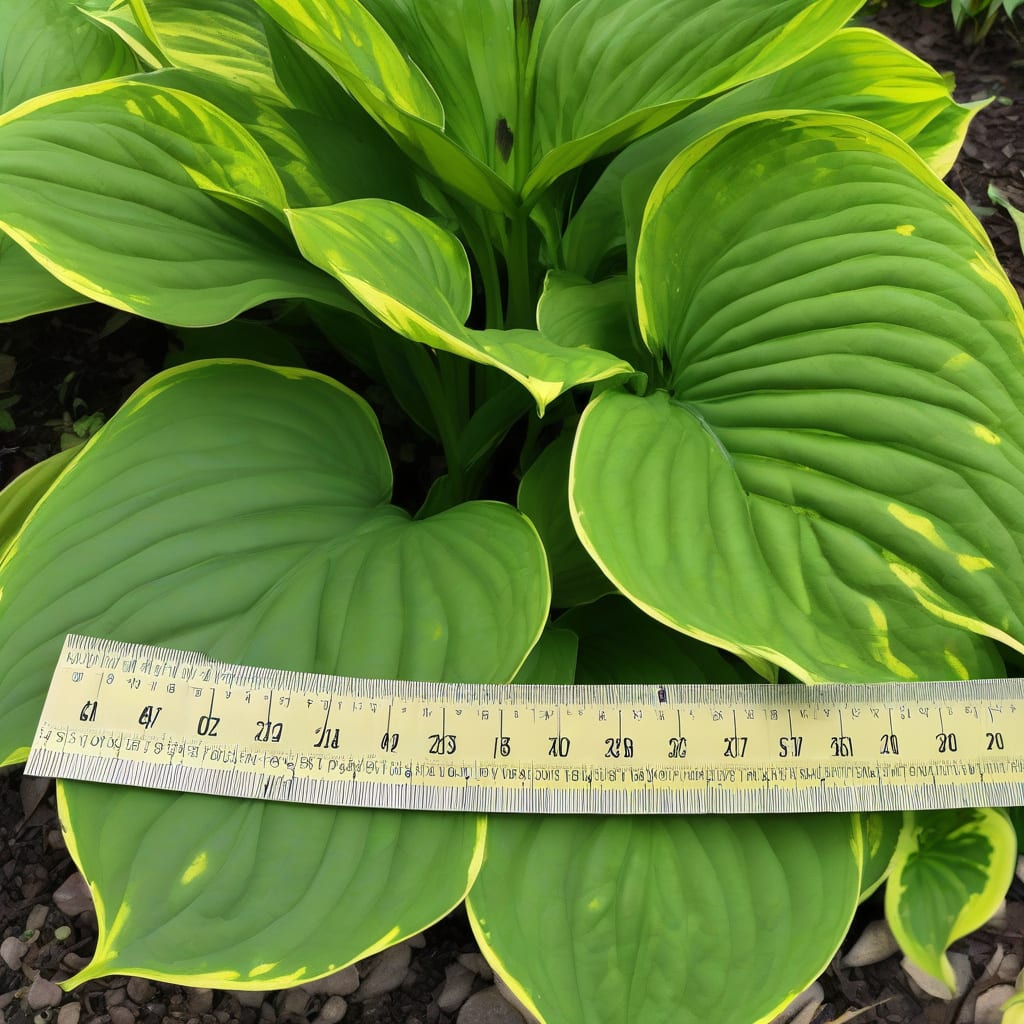
When planning your shade garden, understanding how tall your Hosta 🌿 will grow is crucial for perfect placement. The height of these versatile perennials can vary significantly based on variety and growing conditions.
In USDA Zone 6, you can expect mature Hosta heights ranging from 1-3 feet, making them ideal for adding layered texture to your garden landscape. Let’s explore the factors that influence their growth and how to manage their size effectively.


Understanding how tall hostas can grow requires examining several key factors that influence their height. The variety of hosta is perhaps the most significant determinant, as different cultivars have been bred for specific growth habits.
Other important factors include growing conditions such as light exposure, soil quality, and moisture levels. Hostas grown in ideal conditions with rich soil and consistent moisture will typically reach their maximum potential height.
The mature height of hostas can range from 1-3 feet, with some varieties staying compact while others grow quite large. For example, dwarf hostas typically remain under 18 inches, while standard hostas can grow between 2-3 feet tall. Understanding these growth patterns helps gardeners choose the right variety for their space and needs.
To achieve their full height potential, hostas require proper care, including regular watering and fertilization during the growing season. Dividing and transplanting hostas every few years can also help maintain their health and vigor, potentially maximizing their height.
It’s worth noting that hostas are slow-growing plants, so patience is key when waiting for them to reach their mature height. Factors such as soil quality, moisture levels, and light exposure all play a role in how quickly and fully hostas will grow.
By understanding the factors that influence hosta height, gardeners can make informed decisions about plant placement and care. This knowledge helps create a balanced and thriving garden landscape that showcases these versatile plants at their best.
Hostas are known for their adaptability to various growing conditions, making them a popular choice for shade gardens. Their ability to thrive in low-light environments adds to their versatility.
When selecting hostas, considering the mature size of the plant is crucial for effective garden planning. This foresight helps prevent overcrowding and ensures that each plant has enough space to grow.
In summary, the height of hostas is influenced by a combination of factors including variety, growing conditions, and care practices. By understanding and managing these factors, gardeners can help their hostas reach their full potential.
For gardeners looking to maximize their hosta’s height, providing optimal growing conditions is essential. This includes ensuring the soil is rich in nutrients and maintaining consistent moisture levels.
When planning your shade garden, understanding the height ranges of different Hosta varieties is essential for effective garden design. Hostas come in a wide range of sizes, from compact dwarf varieties to larger standard types, each with its own characteristic height range 🌿.
The height of hostas can vary significantly based on the specific cultivar, with mature heights ranging from 1-3 feet. This variability allows gardeners to choose the perfect hosta for their garden space, whether they’re looking for a compact groundcover or a statement piece.
Understanding these height ranges helps gardeners create a balanced and visually appealing garden landscape. By selecting hostas that fit their desired height parameters, gardeners can ensure their shade garden remains harmonious and easy to maintain.
When choosing hostas, it’s also important to consider the growth habit and leaf size in addition to height. Some hostas have a more upright growth habit, while others spread out more, affecting their overall appearance and space requirements.
To make the most of hostas in your garden, consider combining different varieties to create a layered effect. This can add depth and visual interest to your shade garden, making it more dynamic and engaging.
By understanding the height ranges of different hosta varieties, gardeners can make informed decisions about plant placement and garden design. This knowledge helps create a thriving and beautiful shade garden that showcases these versatile plants at their best 🌼.
Hostas are known for their low-maintenance requirements, making them an excellent choice for gardeners of all skill levels. Their ability to thrive in shade adds to their appeal, providing a lush, green backdrop for other shade-loving plants.
Maintaining the ideal size of hostas requires understanding their growth patterns and implementing proper care techniques. Hostas are known for their low-maintenance requirements, making them an excellent choice for gardeners of all skill levels.
To maintain ideal hosta size, divide and transplant every 3-4 years. This helps control size and rejuvenates plants. Use a sharp garden knife to separate sections, ensuring each division has at least 2-3 eyes for healthy regrowth 🌱.
To effectively manage hosta height, gardeners should focus on regular maintenance and proper care practices. This includes monitoring plant size and dividing when necessary to prevent overcrowding.
Pruning is another essential technique for managing hosta height. Removing dead or damaged leaves improves appearance and prevents disease spread. Prune in early spring before new growth begins, using clean, sharp tools to make clean cuts.
Dividing hostas not only controls size but also helps maintain plant health. The best times to divide are during spring or early fall when temperatures are mild. This allows plants to establish themselves before extreme weather conditions.
By implementing these care strategies, gardeners can effectively manage hosta height and maintain a balanced garden landscape. Regular maintenance ensures hostas remain healthy and visually appealing.
Understanding the specific needs of your hostas and adapting care practices accordingly is key to successful management. With proper care, hostas can thrive and add beauty to your shade garden for years to come 🌿.
