
Beautiful Plants For Your Interior
Beautiful Plants For Your Interior
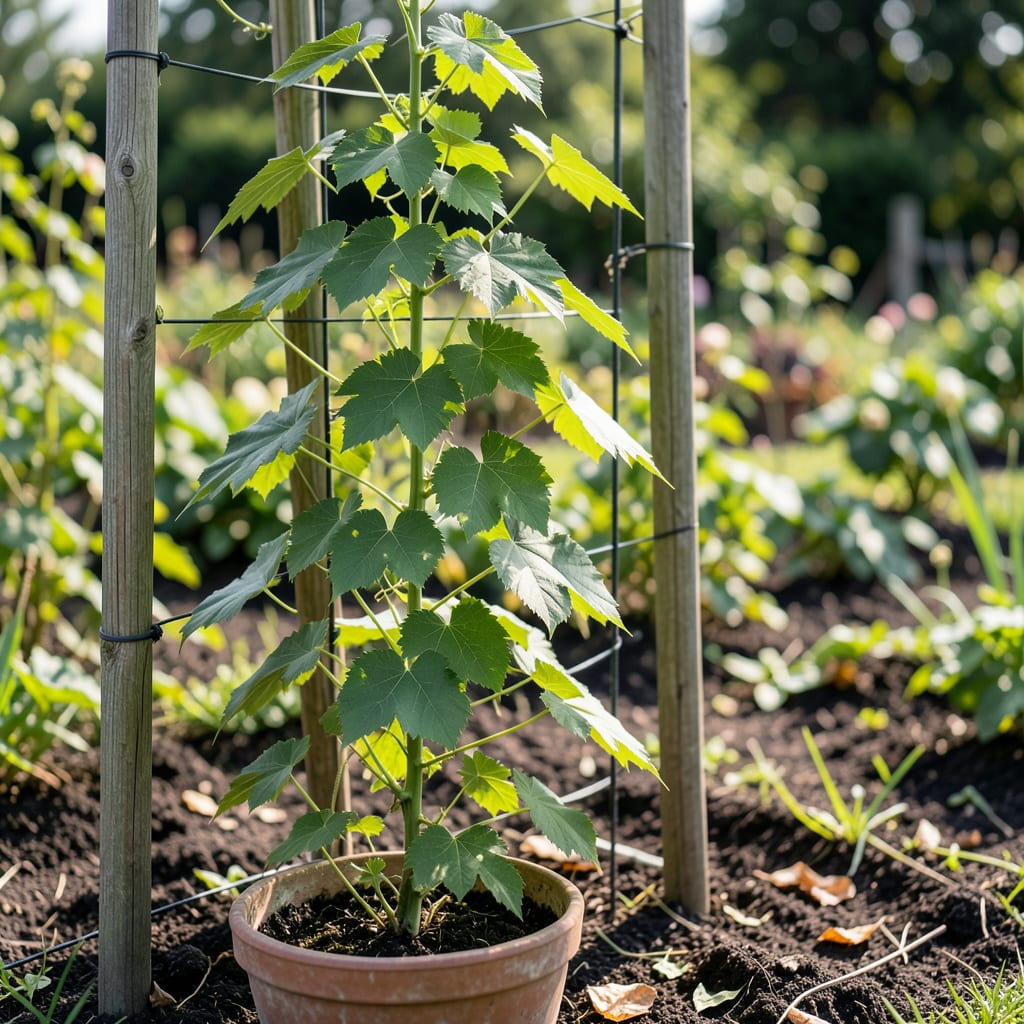
Growing Hops 🌿 can be an exciting venture, especially for craft beer enthusiasts. Understanding their growth patterns is crucial for a successful harvest, and one of the most common questions is about their height in the first year.
In USDA Zone 6, you can expect your Hops to grow between 3-6 feet tall during their first year. Proper care and support will help them reach their full potential.


Growing hops can be an exciting venture for gardeners and craft beer enthusiasts alike. Understanding their growth patterns is crucial for a successful harvest. In the first year, hop plants typically grow between 3-6 feet tall.
The growth of hop plants in their first year is influenced by several key factors, including climate, soil quality, variety, and initial planting conditions. Providing optimal conditions can significantly impact their development 🌿.
To maximize growth in the first year, it’s essential to provide adequate support for the hop plants. Using a trellis or tower can help guide their vertical growth and ensure they reach their full potential.
Watering is another critical aspect of hop cultivation. Hops require consistent moisture, especially during their first year. Ensuring the soil remains moist but not waterlogged will support healthy development 🌟.
Fertilization also plays a vital role in promoting vigorous growth. Applying a balanced fertilizer during the growing season can provide the necessary nutrients for optimal development.
Monitoring for pests and diseases is crucial in the first year. Early detection and management can prevent significant damage and ensure a healthy start for your hop plants.
By understanding these factors and providing the right conditions, you can optimize the growth of your hop plants during their first year, setting the stage for a successful harvest in the years to come.
Regular pruning and training of the hop vines can also enhance their growth and productivity. This involves removing unwanted growth and directing the plants to climb up their supports.
As your hop plants establish themselves, they will begin to develop their characteristic climbing habit. Providing a sturdy structure for them to climb on will help maximize their vertical growth.
In conclusion, while hop plants may not reach their full height in the first year, with proper care and attention, they can still achieve significant growth and lay the foundation for future success.
To maximize hop growth during the first year, it’s essential to provide optimal growing conditions. This includes ensuring the plants receive adequate sunlight, typically 6+ hours of direct sunlight daily 🌞.
Soil quality is another critical factor. Hops prefer well-draining soil rich in organic matter. Amending the soil with compost or other organic materials can enhance its fertility and drainage.
Using a trellis or tower can help guide the vertical growth of hop plants and ensure they reach their full potential.
Hops require consistent moisture, especially during their first year. Ensure the soil remains moist but not waterlogged 💧.
Applying a balanced fertilizer during the growing season can provide the necessary nutrients for optimal development.
Regular pruning and training of the hop vines can also enhance their growth and productivity. This involves removing unwanted growth and directing the plants to climb up their supports 🌿.
Monitoring for pests and diseases is crucial in the first year. Early detection and management can prevent significant damage and ensure a healthy start for your hop plants 🚨.
By following these tips and techniques, you can optimize the growth of your hop plants during their first year, setting the stage for a successful harvest in the years to come.
In addition to these practices, keeping a gardening journal can help you track your progress and make adjustments as needed for future growth.
As your hop plants establish themselves, they will begin to develop their characteristic climbing habit. Providing a sturdy structure for them to climb on will help maximize their vertical growth.
Growing hops in their first year can be challenging due to various factors that can impact their development. Understanding these challenges and knowing how to address them is crucial for a successful harvest.
One of the common issues faced by hop growers is pest infestations. Pests such as aphids, spider mites, and Japanese beetles can cause significant damage to hop plants 🌿.
Regularly inspect your hop plants for signs of pests or diseases. Early detection is key to preventing significant damage.
Diseases are another major concern for hop growers. Fungal diseases like powdery mildew and downy mildew can severely affect hop plant health. Ensuring good air circulation and using fungicides when necessary can help manage these issues.
Nutrient deficiencies can also impact hop growth. Hops require a balanced diet of nutrients, including nitrogen, phosphorus, and potassium. Soil testing can help identify any deficiencies, allowing for targeted fertilization.
To mitigate these challenges, it’s essential to maintain a vigilant monitoring routine. Regularly checking your plants for signs of stress or disease can help you address issues before they become severe.
Implementing integrated pest management (IPM) strategies can also be beneficial. This includes using a combination of techniques such as cultural controls, biological controls, and chemical controls to manage pests and diseases effectively.
By being aware of these common challenges and taking proactive steps to address them, you can improve the health and productivity of your hop plants during their first year 🌟.
Successful hop cultivation requires a comprehensive approach that includes proper care, regular monitoring, and timely interventions. With the right strategies in place, you can overcome the challenges associated with growing hops and enjoy a bountiful harvest.
Hop plants usually grow between 3-6 feet tall during their first year. This growth can be influenced by factors like climate, soil quality, and the specific hop variety. Proper care and support are essential for optimal development .
To optimize growth, ensure your hop plants receive adequate sunlight (6+ hours daily) and maintain consistent moisture levels. Using a trellis or tower for support and applying a balanced fertilizer can also promote healthy development .
Common issues include pest infestations (like aphids and spider mites), diseases (such as powdery mildew), and nutrient deficiencies. Regular monitoring and maintaining good air circulation can help mitigate these problems .
You can begin training your hop vines as soon as they start growing. This involves gently twining them around their support structure. Early training helps establish a strong climbing habit and maximizes vertical growth .
