
Beautiful Plants For Your Interior
Beautiful Plants For Your Interior
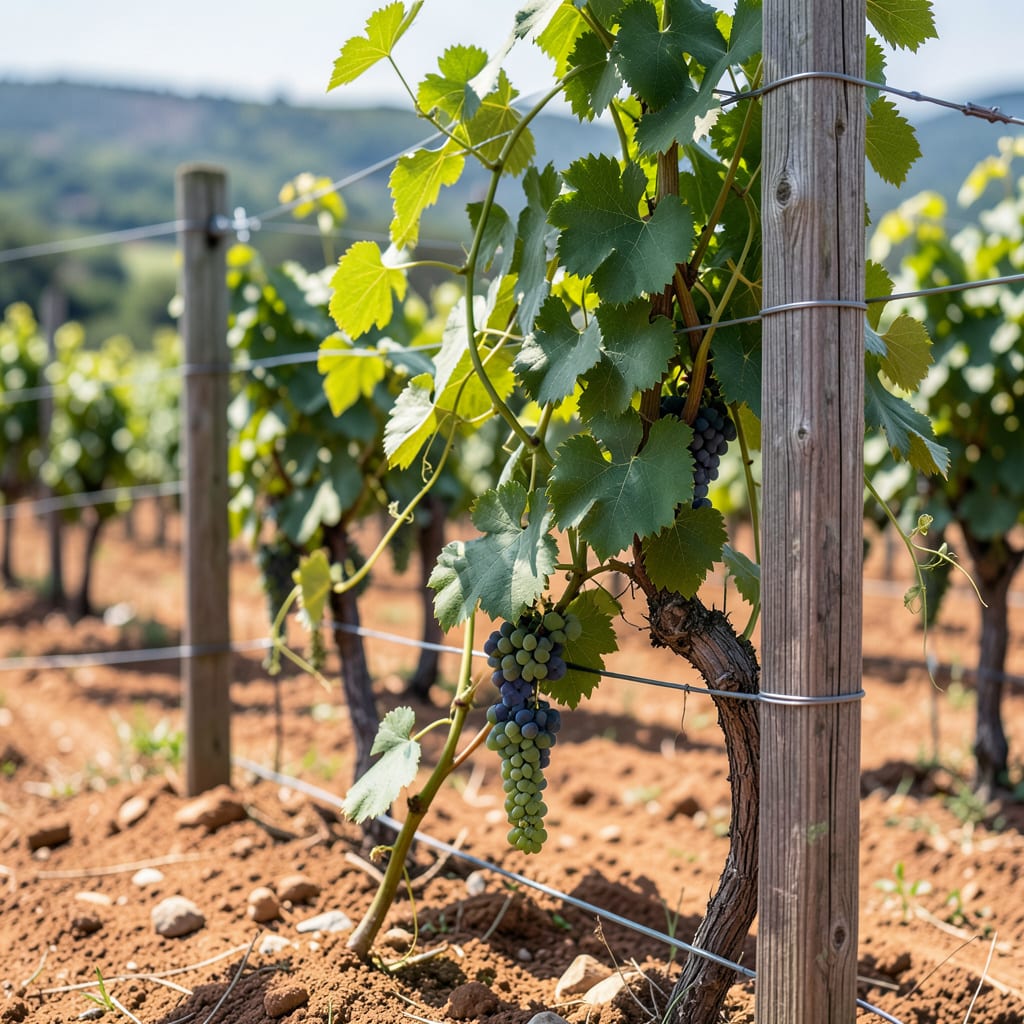
When growing grapes 🍇, understanding their growth potential is crucial for maximizing yield. Grapevines can grow quite tall, typically reaching heights of 15-20 feet when mature.
In USDA zone 6a, where grape cultivation is common, proper support and pruning techniques are essential to manage their vigorous growth and ensure a bountiful harvest. Let’s explore the factors that influence grapevine height and how to optimize growing conditions.

Grapevines are known for their vigorous growth and ability to reach significant heights. Understanding their natural growth patterns is essential for successful cultivation and maximizing yield.
Grapevines typically grow between 15-20 feet tall when mature, with some varieties reaching even greater heights. The height potential of grapevines is influenced by factors such as the specific variety, growing conditions, and cultivation practices.
The growth habit of grapevines is characterized by their tendency to climb and spread. In their natural state, grapevines use trees or other structures for support as they grow upwards towards sunlight.
Key factors influencing grapevine height include the variety’s inherent growth characteristics, the quality of the growing conditions, and the cultivation practices employed. Some grapevine varieties are naturally more vigorous than others.
Understanding these growth habits is crucial for gardeners and commercial growers alike. Proper management of grapevine growth can lead to healthier plants and more abundant fruit production.
Grapevines require regular pruning and training to control their height and promote optimal fruiting. Without proper support, grapevines can become unmanageable and may suffer from disease or pest issues.
The height of grapevines can vary significantly based on the specific growing conditions and the level of care provided. Factors such as soil quality, climate, and available sunlight all play a role in determining the ultimate height of the vines.
By understanding and managing these factors, growers can optimize the growth of their grapevines to achieve the desired height and maximize their yield.
Grapevines are a long-term investment, and their growth should be planned and managed carefully over time to ensure the best possible outcomes.
As grapevines mature, they continue to grow and require ongoing maintenance to keep them healthy and productive. This includes regular pruning to control their height and promote fruiting.
Effective management of grapevine growth is key to successful cultivation, whether in a home garden or a commercial vineyard. By understanding the factors that influence grapevine height, growers can make informed decisions to optimize their growing practices.
The height of grapevines is influenced by several key factors that growers must consider for optimal cultivation. Understanding these factors helps in managing vine growth effectively and maximizing yield potential.
Variety selection plays a crucial role in determining grapevine height. Different grape varieties have inherent growth characteristics that affect their mature height and vigor.
Climate conditions significantly impact grapevine growth. Grapevines thrive in USDA zone 6a where they receive adequate sunlight and experience appropriate temperature fluctuations.
The quality of the soil and nutrients available to grapevines also affects their height. Well-draining soil rich in organic matter supports healthy root development and vigorous growth.
Cultivation practices, including pruning and training techniques, are essential for managing grapevine height. Regular pruning helps control vine vigor and promotes fruiting.
By understanding and managing these factors, growers can optimize grapevine height and maximize yield potential. Effective management of grapevine growth is crucial for both home gardeners and commercial growers.
Grapevine height can vary significantly based on the specific growing conditions and level of care provided. Factors such as soil quality, climate, and available sunlight all play a role in determining the ultimate height of the vines.
Regular maintenance, including pruning and training, is necessary to keep grapevines healthy and productive. This ongoing care ensures that grapevines continue to grow and produce abundant fruit over time.
To maximize yield in grapevines, proper training techniques are essential. Grapevines can grow quite tall, typically reaching heights of 15-20 feet when mature.
Effective training involves a combination of pruning, trellising, and managing vine height. These practices help control the vigorous growth of grapevines and promote optimal fruit production.
Remove dead or diseased wood to promote healthy growth and fruiting.
Use a sturdy trellis system to support vine growth and manage height.
Regularly inspect vines and adjust training as needed to maintain optimal height and promote fruiting.
By implementing these training techniques, growers can effectively manage grapevine height and maximize yield potential. Proper care and maintenance are crucial for both home gardeners and commercial growers.
Regular pruning and training help control vine vigor and promote fruiting. This ongoing care ensures that grapevines continue to grow and produce abundant fruit over time.
Grapevines are a long-term investment, and their growth should be planned and managed carefully over time to ensure the best possible outcomes.
Effective management of grapevine growth is key to successful cultivation, whether in a home garden or a commercial vineyard. By understanding the factors that influence grapevine height, growers can make informed decisions to optimize their growing practices.
Grapevines typically grow between 15-20 feet tall when mature, with some vigorous varieties reaching even greater heights. Proper support is essential for managing their growth. Regular pruning helps control their height and promotes fruiting.
Grapevines are known for their vigorous growth, especially during their first few years. They can grow up to 6 feet in the first year and continue to grow rapidly thereafter. Providing a sturdy trellis system is crucial for supporting their growth.
Several factors affect grapevine height, including the variety’s inherent growth characteristics, climate conditions, soil quality, and cultivation practices. Vigorous varieties like Concord and Niagara can reach 20 feet or more with proper support.
Annual pruning is essential for managing grapevine height and promoting fruiting. Remove dead or diseased wood, and train the vines to a trellis system to support their growth and maintain optimal height.
