
Beautiful Plants For Your Interior
Beautiful Plants For Your Interior
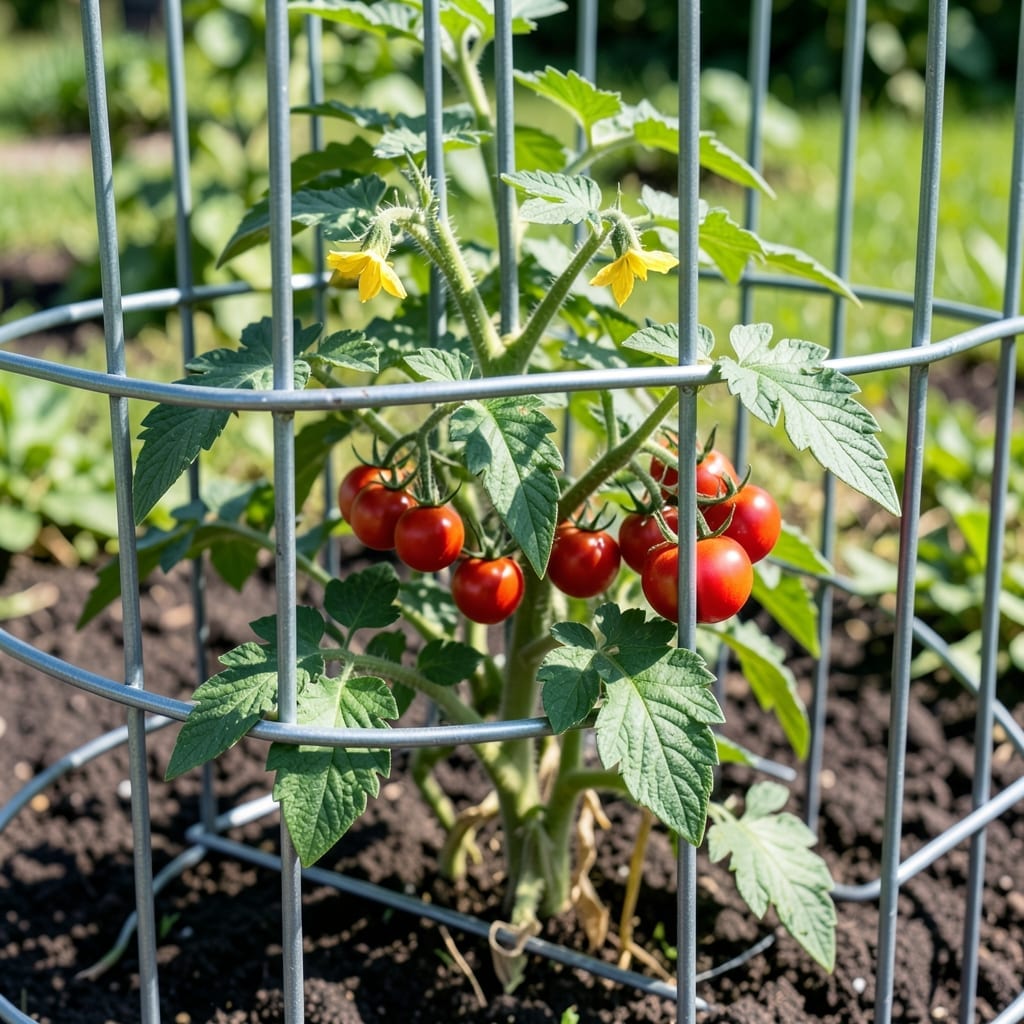
Grape tomato plants are a favorite among gardeners for their sweet, bite-sized fruits. What often surprises first-time growers is how tall these plants can get.
I remember the first time I planted Grape Tomato 🍅 and watched them stretch far beyond what I expected. Understanding their mature size is the key to proper planning.
Let me share what I’ve learned about their growth habits and how to manage their height for a thriving garden. You’ll be amazed at how much difference the right approach makes.

Grape tomato plants can vary significantly in height, with most falling into the 4 to 6 feet range. This depends largely on whether they are indeterminate or determinate varieties, which grow differently. 🌱
Indeterminate grape tomatoes, like the popular ‘Sweet 100’, are the tallest, often reaching 6 feet or more if given proper support. These keep growing and producing fruit throughout the season until frost. 🌿
Grape Tomato Varieties and Heights
| Variety | Growth Habit | Average Height |
|---|---|---|
| Sweet 100 | Indeterminate | 5-7 ft |
| Jolly Elf | Indeterminate | 4-6 ft |
| Tumbling Tom | Determinate | 2-3 ft |
| Super Sweet 100 | Indeterminate | 6-8 ft |
Determinate varieties like ‘Tumbling Tom’ are more compact, typically maxing out at 2 to 3 feet. These are ideal for container gardening or small spaces where vertical growth is limited. ☀️
I’ve found that indeterminate varieties need sturdy support systems like trellises or tall cages to manage their height. Without support, they can become unwieldy and prone to disease due to poor air circulation.
For gardeners with limited space, determinate grape tomatoes offer a manageable option. They grow to a set height, produce fruit all at once, and then decline, making them perfect for patio containers. 🌱
If you’re aiming for maximum yield, indeterminate varieties are the way to go. Their continuous growth means a longer harvest season, but they do require more maintenance, including regular pruning and training onto supports.
In my experience, ‘Sweet 100’ plants can exceed 7 feet in optimal conditions, especially when planted in rich, well-draining soil and given full sun. This variety is a favorite for its prolific fruit production. 🌿
For those new to grape tomatoes, starting with a determinate variety can be less intimidating. They’re easier to manage and still produce a generous harvest of sweet, bite-sized tomatoes.
No matter the variety, providing consistent watering and proper nutrition will help your plants reach their full height potential. Remember, healthy growth starts from the roots up. ✂️
Several key factors determine how tall your grape tomato plants will grow. In my garden, I’ve seen firsthand how sunlight exposure and soil quality can dramatically affect plant height and productivity. 🌱
The most significant influence is genetics—indeterminate varieties naturally grow taller than determinate ones. But even within the same variety, environmental conditions play a huge role in final height. ☀️
Key Height Influencers
I’ve noticed that plants receiving full sun consistently outgrow those in partial shade. In my experience, water stress is another major factor—plants that don’t get 1-2 inches of water weekly tend to stay shorter. 🌿
Soil fertility makes a noticeable difference too. I always amend my planting beds with compost before planting, which gives the plants a strong foundation for upward growth. This simple step can add 1-2 feet to your plants’ height.
Pruning practices also influence height. By removing suckers (the shoots between main stem and branches), I can direct more energy toward vertical growth and fruit production rather than bushy expansion.
Finally, support systems are crucial for tall varieties. Without proper trellises or cages, plants may sprawl instead of growing upward, which limits their potential height and makes them more susceptible to disease. ✂️