
Beautiful Plants For Your Interior
Beautiful Plants For Your Interior
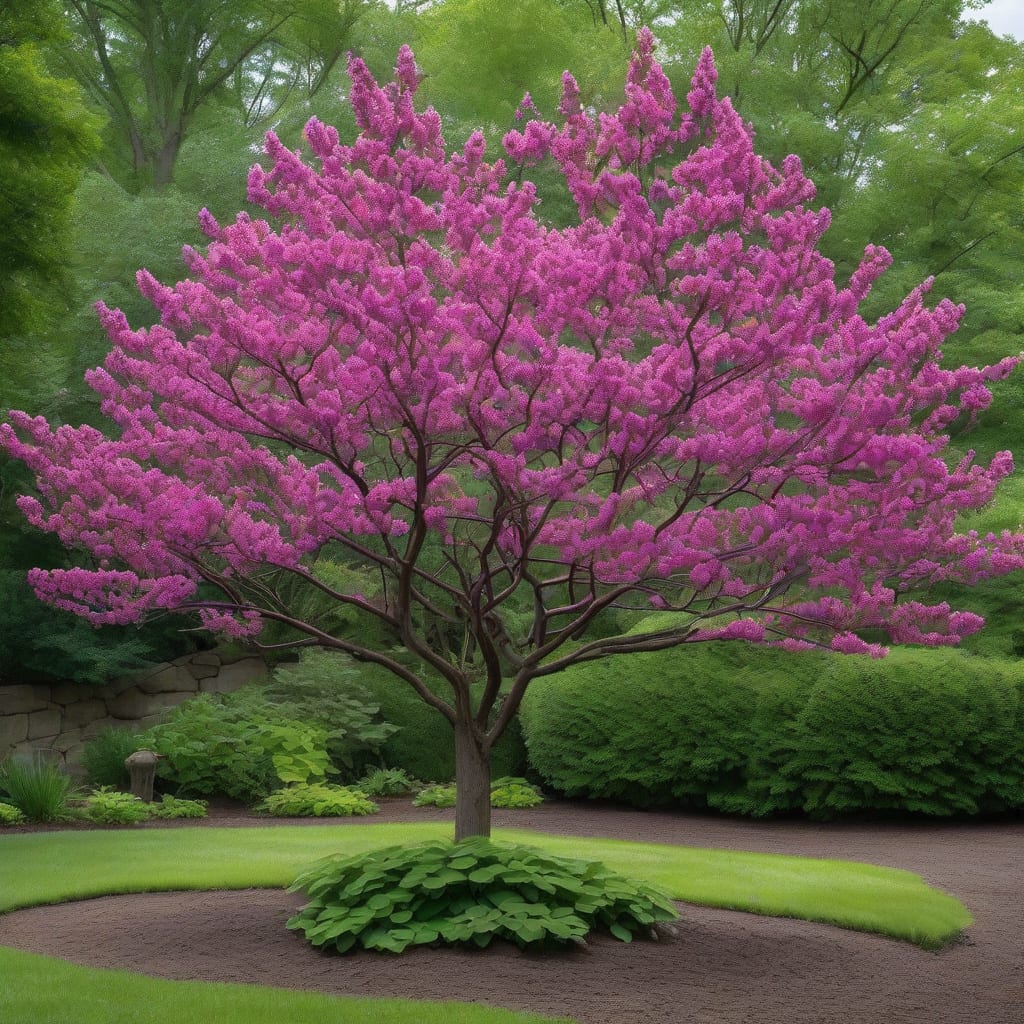
When planning your garden, understanding the mature height of your trees is crucial. The Eastern Redbud Tree 🌳 typically grows between 15-30 feet tall, making it a beautiful addition to many landscapes.
Factors like soil quality, sunlight, and maintenance practices can influence its growth. By understanding these elements, you can help your Eastern Redbud Tree reach its full potential height in USDA Zone 6 and beyond.

Eastern redbud trees are known for their beautiful pink flowers and heart-shaped leaves. They typically grow between 15-30 feet tall, with some specimens reaching heights of up to 35 feet in ideal conditions 🌳.
The average mature height of an eastern redbud tree is around 20 feet. Their growth rate is generally considered slow to moderate, with young trees growing about 1-2 feet per year. The tree’s overall shape is typically vase-shaped or rounded, making it a great addition to many landscapes.
Several factors can influence the height of eastern redbud trees, including soil quality, sunlight exposure, and maintenance practices. Trees grown in rich, well-drained soil with adequate sunlight tend to grow more vigorously than those in poor conditions.
Eastern redbud trees are native to eastern North America and are commonly found in USDA Zone 6. They are known for their cold hardiness and drought tolerance, making them a popular choice for gardeners in various regions.
The trees typically begin flowering in early spring, producing pink or purple flowers that are rich in nectar and attract pollinators. After flowering, heart-shaped leaves emerge, providing shade and adding visual interest to the landscape 🌿.
As the trees mature, they can develop a broad canopy, creating a natural shade area in the garden. Proper care, including regular watering and occasional pruning, can help ensure that eastern redbud trees reach their full potential height and remain healthy.
It’s worth noting that eastern redbud trees are generally considered medium-sized trees, making them suitable for a variety of garden sizes. They can be used as specimen trees, border plants, or even in woodland gardens.
In terms of growth patterns, eastern redbud trees tend to grow more rapidly when young, slowing down as they mature. This growth pattern allows them to establish a strong root system and develop a sturdy trunk.
Overall, eastern redbud trees are a beautiful and versatile addition to any garden. Their stunning flowers, attractive foliage, and manageable size make them a popular choice among gardeners and landscapers alike 🌸.
By understanding the average height and growth patterns of eastern redbud trees, gardeners can make informed decisions when selecting trees for their landscapes. Whether used as a focal point or as part of a larger planting scheme, these trees are sure to provide beauty and interest for years to come.
Eastern redbud tree height is influenced by multiple factors that gardeners should consider for optimal growth. The tree’s growth is primarily affected by environmental conditions, soil quality, and maintenance practices. Understanding these elements helps gardeners create ideal growing conditions 🌳.
Environmental factors play a crucial role in determining eastern redbud tree height. The tree prefers full sun to partial shade, with a minimum of four hours of direct sunlight daily. Soil quality is equally important, as the tree thrives in well-drained, fertile soil with a slightly acidic to neutral pH.
Maintenance practices significantly impact eastern redbud tree height growth. Regular pruning helps maintain the tree’s shape and promotes healthy growth. Gardeners should also consider fertilization and mulching to support the tree’s nutritional needs 🌿.
By understanding and managing these factors, gardeners can help their eastern redbud trees reach their full potential height. Proper care and attention to the tree’s needs will result in a healthy, thriving specimen that enhances the landscape for years to come 🌸.
Eastern redbud trees are relatively low-maintenance, making them an excellent choice for gardeners of all experience levels. With proper care, these trees can become a stunning focal point in any garden or landscape 🌳.
The combination of beautiful flowers, attractive foliage, and manageable size makes eastern redbud trees a popular choice among gardeners. By providing the right conditions and care, gardeners can enjoy the many benefits these trees have to offer 🌻.
Eastern redbud trees require regular maintenance to maintain their shape and promote healthy growth. Proper pruning techniques are essential for managing tree size and enhancing overall appearance 🌳.
Prune your eastern redbud tree during its dormant season (late winter to early spring) to minimize stress and promote healthy growth.
When pruning, focus on removing dead or diseased branches to prevent damage and encourage new growth. Thin out the tree’s center to allow for better air circulation and sunlight penetration, which helps maintain overall health 🌿.
To control the tree’s height, consider reducing the height of the tallest branches by cutting them back to a lateral bud or a smaller branch. This technique, known as height reduction pruning, helps maintain the tree’s natural shape while managing its size.
Regular maintenance pruning is also crucial for eastern redbud trees. This includes removing any suckers or water sprouts that may appear, as well as shaping the tree to maintain its desired form 🌸.
By combining proper pruning techniques with regular care, gardeners can effectively manage the size of their eastern redbud trees. This not only enhances the tree’s appearance but also promotes its overall health and longevity 🌳.
