
Beautiful Plants For Your Interior
Beautiful Plants For Your Interior
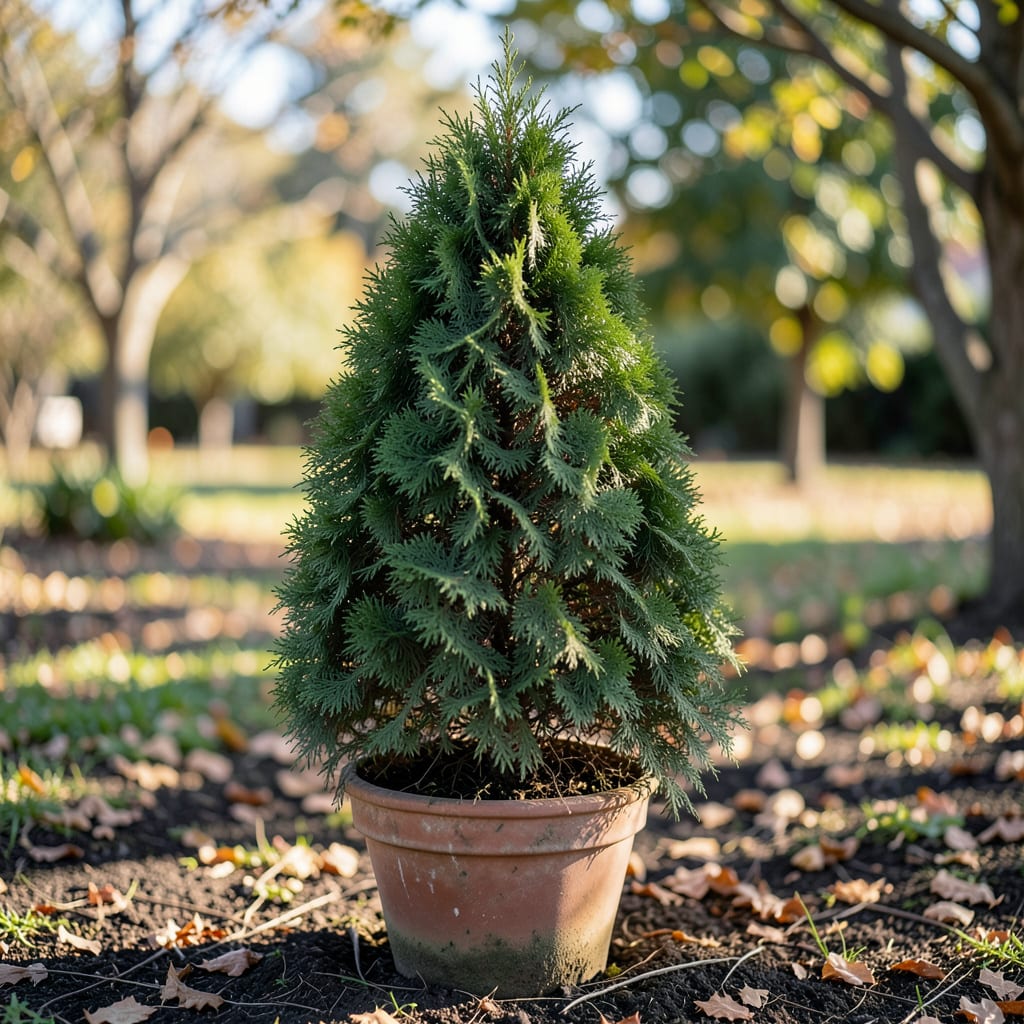
I’ve always been fascinated by the majestic Eastern Red Cedar 🌲, known for its impressive height and elegant presence in landscapes. Understanding how tall these trees can grow is crucial for planning and maintenance.
Eastern Red Cedars can reach heights of 40 to 60 feet, making them a significant addition to any landscape in USDA Zone 6. Let’s explore the factors that influence their growth and how to manage their height effectively.


Understanding the factors that influence the height growth of Eastern Red Cedars is crucial for gardeners and landscapers. These trees can grow between 40 to 60 feet tall, but their actual height is determined by several key factors 🌲.
The growth of Eastern Red Cedars is significantly influenced by soil conditions, climate, sunlight exposure, and maintenance practices. Let’s explore these factors in more detail to understand how they impact the height of these majestic trees.
The soil conditions play a critical role in determining the height of Eastern Red Cedars. These trees prefer well-drained soil with a pH between 6.0 and 7.0. Soil that is too dense or poorly drained can limit root growth, thereby restricting the tree’s overall height 🌿.
Climate is another significant factor. Eastern Red Cedars are adapted to a range of climates but generally thrive in temperate conditions with moderate humidity and temperatures. Extreme weather conditions, such as prolonged drought or excessive rainfall, can stress the trees and impact their growth.
Sunlight exposure is also vital. Eastern Red Cedars require full sun to partial shade, with at least 6 hours of direct sunlight daily. Adequate sunlight ensures that the trees can photosynthesize efficiently, supporting healthy growth and development.
Finally, maintenance practices such as regular watering, fertilization, and pruning can significantly influence the height and overall health of Eastern Red Cedars. Proper care ensures that the trees receive the necessary nutrients and are free from damage or disease.
By understanding and managing these factors, gardeners and landscapers can optimize the growth of Eastern Red Cedars, ensuring they reach their full potential height.
Eastern Red Cedars are not only valued for their height but also for their ecological benefits and aesthetic appeal. They provide habitat for wildlife, act as windbreaks, and add beauty to landscapes with their evergreen foliage 🌲.
In conclusion, the height growth of Eastern Red Cedars is influenced by a combination of soil conditions, climate, sunlight exposure, and maintenance practices. By optimizing these factors, one can ensure that these trees grow to their full potential.
For more information on caring for Eastern Red Cedars, including tips on pruning and maintenance, continue reading the next sections of this guide.
Eastern Red Cedars are known for their impressive height, typically growing between 40 to 60 feet tall. The average height of these trees can vary based on factors such as soil quality, climate conditions, and maintenance practices 🌲.
In their natural habitat, Eastern Red Cedars can reach heights of up to 60 feet, while in cultivated landscapes, they often range between 40 to 50 feet. Understanding these height ranges is essential for planning and landscaping purposes.
Eastern Red Cedars typically grow between 40 to 60 feet tall, with an average mature height of 50 feet.
In ideal conditions, Eastern Red Cedars can reach a maximum height of 60 feet, making them a significant presence in any landscape 🌳.
Soil quality, climate, and maintenance practices significantly influence the height of Eastern Red Cedars.
The height of Eastern Red Cedars is a critical consideration for landscaping and gardening. By understanding the typical and maximum heights these trees can achieve, individuals can better plan their outdoor spaces.
Eastern Red Cedars are not only admired for their height but also for their ecological benefits and aesthetic appeal. They provide habitat for wildlife and add beauty to landscapes with their evergreen foliage 🌲.
In summary, Eastern Red Cedars can grow between 40 to 60 feet tall, with an average height of 50 feet. Proper care and maintenance are essential to ensure these trees reach their full potential height.
For more detailed information on managing the height of Eastern Red Cedars through pruning and other maintenance practices, continue reading the next sections of this guide.
Managing the height of Eastern Red Cedars is crucial for maintaining their aesthetic appeal and ensuring they fit within the desired landscape design 🌲.
These trees can grow between 40 to 60 feet tall, and proper maintenance is key to controlling their height. Regular pruning is one of the most effective methods to manage the height of Eastern Red Cedars.
Prune Eastern Red Cedars in late winter or early spring to maintain shape and control height. Remove dead or damaged branches to promote healthy growth 🌱.
Pruning techniques play a significant role in managing the height of Eastern Red Cedars. Pruning should be done in late winter or early spring before new growth begins. This timing helps minimize stress on the tree and encourages healthy regrowth.
When pruning, it’s essential to remove dead or damaged branches. This not only improves the tree’s appearance but also prevents disease and pest infestations. Use sharp, clean pruning tools to make precise cuts, and avoid cutting too much at once to prevent stressing the tree 🌳.
In addition to pruning, other growth management strategies can be employed. These include regular inspections to identify any issues early and proper fertilization to support overall tree health.
Eastern Red Cedars are valued for their ecological benefits and aesthetic appeal. By effectively managing their height, you can ensure they continue to enhance your landscape for years to come 🌲.
For more information on caring for Eastern Red Cedars and other landscaping tips, continue reading the next sections of this guide.
Eastern Red Cedars typically grow 1-2 feet per year. Their growth rate can be influenced by factors such as soil quality, climate, and maintenance practices. With proper care, they can reach their full height potential.
Yes, you can control the height through regular pruning. Prune in late winter or early spring to maintain shape and control height. Remove dead or damaged branches to promote healthy growth.
Eastern Red Cedars can take 50 to 100 years to reach their maximum height. Factors such as soil conditions, climate, and maintenance practices can influence their growth rate and overall height.
Eastern Red Cedars can grow quite tall, typically between 40 to 60 feet. They may not be the best choice for very small landscapes unless you plan to regularly prune them to maintain a smaller size. Consider your space and maintenance commitment before planting.
